Yazılar

US SEC Crypto Task Force Holds First Roundtable Amid Trump’s Push for Regulatory Overhaul

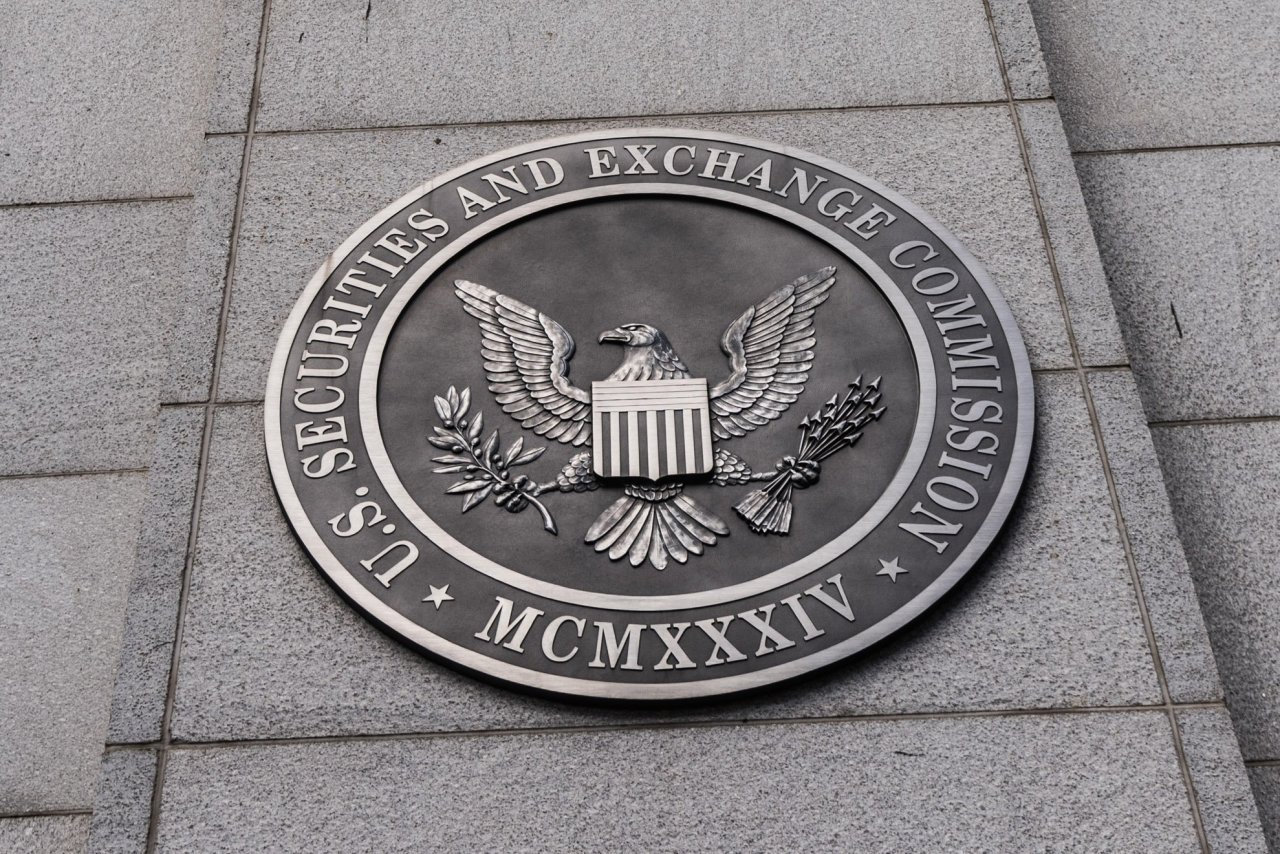
The U.S. Securities and Exchange Commission (SEC) crypto task force convened its first public meeting on Friday, focusing on how existing securities laws might be applied to the rapidly evolving digital asset market. The session is part of a broader push to establish clearer guidelines as the Trump administration looks to reshape the U.S. regulatory landscape for cryptocurrency.

Key figures at the roundtable included John Reed Stark, former head of the SEC’s Office of Internet Enforcement, Miles Jennings, general counsel for a16z crypto, and former SEC Commissioner Troy Paredes. Leading the task force is Republican SEC Commissioner Hester Peirce, who emphasized that the meeting marked a “new beginning” in the commission’s approach to crypto regulation.

The crypto industry has long contended with the SEC over how digital assets should be classified under federal securities laws. Many within the sector argue that tokens should be treated as commodities, not securities, which would exempt them from the SEC’s registration and disclosure requirements.

Trump, who campaigned as a “crypto president,” has pledged to reverse the regulatory crackdown initiated under the Biden administration. This includes withdrawing or pausing several legal cases against crypto companies like Coinbase and Kraken. The task force discussed the potential need for a distinct regulatory framework tailored specifically to digital assets, rather than applying traditional securities laws.

While some, like Jennings, advocated for a “technology-neutral” approach, others, such as Democratic SEC Commissioner Caroline Crenshaw, expressed concern over loosening regulations for cryptocurrencies. Crenshaw warned that creating a separate regulatory regime could weaken protections and harm broader market stability.

This meeting is part of Trump’s broader effort to overhaul U.S. cryptocurrency policies, including his recent executive order to establish a strategic reserve of digital assets and a summit for industry leaders at the White House.

ByteDance Investors Lead Talks on TikTok U.S. Spin-Off Amid National Security Concerns

Discussions surrounding the future of TikTok are gaining momentum, with the leading non-Chinese investors in its parent company ByteDance taking the reins in talks with the White House. The proposed plan involves spinning off TikTok’s U.S. operations into a separate entity while reducing Chinese ownership to below 20% to meet U.S. legal requirements and avoid a potential ban.

Key figures in the talks include Jeff Yass’ Susquehanna International Group and Bill Ford’s General Atlantic, both of which have stakes in ByteDance and sit on its board. Private equity firm KKR is also reportedly involved in the negotiations. The proposed spin-off would see these investors increase their stakes, and software giant Oracle would continue managing U.S. user data, ensuring it remains inaccessible to Chinese authorities.

This plan follows a law passed in January that mandates ByteDance either sell TikTok or face a national security ban, citing concerns over the app’s ties to the Chinese government. While TikTok has defended its operations, emphasizing the independence of its U.S. data storage and content moderation practices, the law reflects broader concerns in Washington about potential influence operations through the app.

The ongoing discussions have significant implications for TikTok’s future in the U.S., where nearly half of Americans use the app. With the deadline for compliance set for April 5, U.S. investors are moving quickly to finalize the deal, which could potentially reshape the app’s ownership structure while addressing security concerns.

Tether in Talks with ‘Big Four’ Firm for Reserve Audit, CEO Says

Tether, the largest issuer of stablecoins, is in discussions with a “Big Four” accounting firm to conduct an audit of its reserves, a move CEO Paolo Ardoino described as a priority for the company. Tether has issued over $140 billion worth of its dollar-pegged cryptocurrency, and although it has long promised an audit, the company has yet to release a full audit of its financials.

Currently, Tether provides quarterly reports on its reserves but has not undergone a full audit. Ardoino emphasized that securing an audit is now “feasible” and a top priority for the company. He did not specify which of the four major accounting firms—PwC, EY, Deloitte, or KPMG—Tether is in talks with or provide a timeline for when the audit would take place.

Ardoino also linked the feasibility of the audit to U.S. President Donald Trump’s stance on cryptocurrency. He argued that Trump’s support for digital assets could make it easier for Tether to engage with major accounting firms, in contrast to what the crypto industry has termed “Operation Chokepoint 2.0,” referring to alleged efforts by U.S. regulators to restrict access to financial services for crypto companies.

Trump, during his campaign, pledged to be a “crypto president” and has since signed an executive order to establish a strategic cryptocurrency reserve and promised regulatory reforms for digital assets. Ardoino expressed confidence that with Trump’s backing, major auditing firms would be more inclined to work with Tether.

Additionally, Tether has recently appointed Simon McWilliams as its chief financial officer to guide the company toward a comprehensive financial audit. As part of its financial activities, Tether purchased more than $33.1 billion in U.S. Treasury bills in 2024, positioning it as the seventh-largest buyer of U.S. government debt.

As of December 31, Tether’s reserves included over $94 billion in U.S. Treasury bills and more than $108 million in cash and bank deposits, according to a quarterly report compiled by BDO Italia. Ardoino also confirmed that 99% of these Treasury bills are held with Wall Street brokerage Cantor Fitzgerald, led by Howard Lutnick, who is closely connected to Trump’s administration.