Yazılar

Investors Brace for China-Taiwan Conflict Risks, But See No Safe Hedge

Foreign investors are increasingly forced to factor in the once-unthinkable: the possibility of China invading Taiwan, a scenario made more plausible amid rising U.S.-China tensions under President Donald Trump and a new wave of global trade nationalism. Yet, despite heightened geopolitical anxiety, investors see little to no viable strategy for hedging against a full-scale conflict over the democratically governed island.

“You can’t settle any trades, the currency might disappear altogether… you either carry on like it’s business as usual, or stay away,” said Mukesh Dave, CIO of Aravali Asset Management.

War or Status Quo: A Binary Outlook

Investors now view the China-Taiwan standoff as a binary risk:

  • War, which would likely obliterate Taiwan’s status as a stable investment market.

  • Peace, maintaining the status quo under continued diplomatic ambiguity.

Rising Odds and Market Reaction

  • The Polymarket platform now pegs the odds of an invasion at 12%, up from near zero earlier in the year.

  • Taiwan stock outflows totalled nearly $11 billion in 2024, fueled in part by U.S. tariffs.

  • Taiwan’s benchmark index (.TWII) is down 6% year-to-date.

Even Goldman Sachs’ Cross-Strait Risk Index, which tracks media references to tensions, has been steadily climbing since Trump’s election win in late 2024.

“If aggression occurs, the investment decision becomes binary: stay exposed and absorb extreme volatility, or exit swiftly to preserve capital,” said Steve Lawrence, CIO of Balfour Capital Group.

TSMC at the Heart of the Dilemma

The central pillar of Taiwan’s market remains Taiwan Semiconductor Manufacturing Co (TSMC):

  • Valued as the crown jewel of the global chip industry

  • Supplies giants like Apple and Nvidia

  • Has been both a market driver and a geopolitical flashpoint, especially as Trump’s tariff policies increasingly target advanced tech

“TSMC is so big that the expectation is the U.S. will defend Taiwan — and defend it strongly,” said Dave.

However, Trump’s inconsistent tariff maneuvers, including temporary delays for negotiation leverage, have spooked investors and underscored Taiwan’s exposure to external political will.

Diverging Views on Risk

While global investors appear increasingly concerned about cross-strait instability, some local voices remain sceptical:

“We shouldn’t interpret this from a geopolitical risk perspective. The key issue is the tariffs,” said Li Fang-kuo, chairman of Uni-President’s securities advisory unit in Taiwan.

Others, like Rich Nuzum, global strategist at Mercer, recommend broad diversification and crisis stress-testing as the only realistic tools for institutional clients.

“There is no hedge for war,” Dave noted plainly. “But there is stress-testing for fear.”

With Taiwanese President Lai Ching-te pledging peace and Beijing accusing him of separatism, tensions remain unresolved. Investors face a stark choice: stay exposed to Taiwan’s tech-driven growth, or exit amid escalating uncertainty.
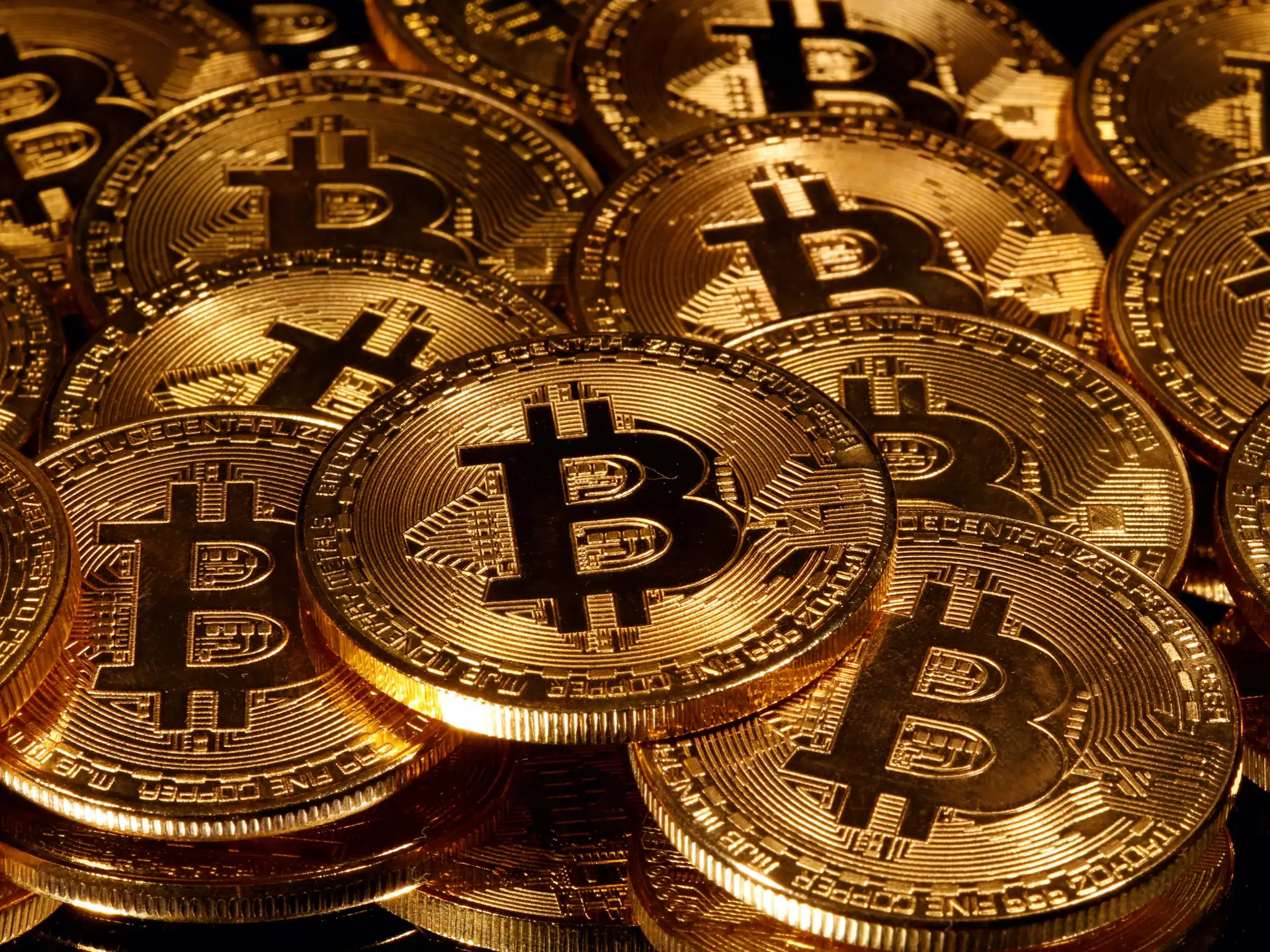
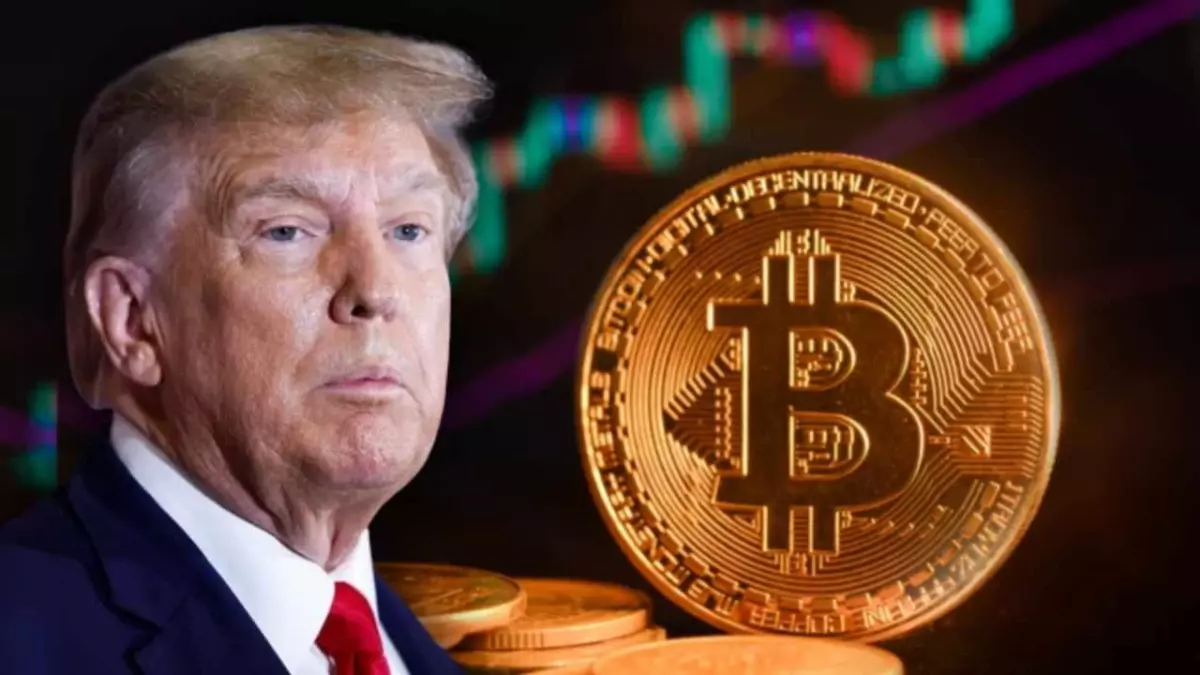
Bitcoin Breaks $100,000 Barrier Again Amid U.S.-UK Trade Deal Optimism

Bitcoin surged past the $100,000 mark on Thursday, regaining ground for the first time since February and reflecting renewed investor confidence following a breakthrough trade deal between the United States and the United Kingdom.

By midday, Bitcoin was trading at $101,329.97, up 4.7% on the day, buoyed by improved global risk sentiment. The crypto asset has now entered positive territory for 2025, although it still trails its January all-time high of over $109,000.

The rally follows the announcement of a U.S.-UK trade agreement between President Donald Trump and British Prime Minister Keir Starmer. The deal maintains a 10% U.S. tariff on UK imports but includes Britain lowering its tariffs to 1.8% and expanding access to U.S. goods — signaling a potential thaw in the protectionist climate that has defined global trade since Trump’s return to office.

Market Impact and Commentary:

  • Antoni Trenchev, co-founder of Nexo, described the resurgence as a “formidable feat” and emphasized that long-term holders drove the rebound, overpowering short-term profit-taking.

  • Buying peak fear — just last month Bitcoin was languishing around $74,000 — has proven exceptionally lucrative,” Trenchev added.

  • Joel Kruger of LMAX Group pointed to rising institutional interest, geopolitical stability, and Chinese monetary stimulus as key tailwinds behind the rally.

Other Cryptos Lag Behind:
Ethereum’s native token Ether climbed 14% to $2,050.46, reaching a one-month high, but it remains nearly 50% below its 2024 peak. Other altcoins have yet to mirror Bitcoin’s bullish momentum.

Bitcoin’s trajectory was weighed down earlier this year by uncertainty around the pace of pro-crypto reform under Trump’s new administration. April’s widespread tariff announcements spurred a flight to safety, leading to a temporary slump in risk assets, including crypto.

Now, with geopolitical risk easing and renewed appetite from long-term investors and institutional funds — particularly through Bitcoin ETFs — market sentiment appears to have decisively shifted back in favor of crypto’s largest token.

With the $100,000 psychological level reclaimed, traders are eyeing $109,000 and beyond as the next major milestone.

Trump’s Crypto Ties Disrupt Bipartisan Push for U.S. Digital Asset Regulation

Tensions over Donald Trump’s growing cryptocurrency ventures spilled into Capitol Hill this week, jeopardizing hopes for a bipartisan breakthrough on U.S. digital asset legislation in 2024. A scheduled joint hearing between the House Financial Services and Agriculture Committees was effectively canceled after Representative Maxine Waters objected, citing ethical concerns tied to Trump’s crypto dealings.

Trump’s ventures include $Trump, a meme coin launched in January, and World Liberty Financial, a crypto firm partially owned by him. Both have sparked criticism over potential conflicts of interest, especially given Trump’s vocal support for deregulating the crypto industry and his campaign efforts to attract donations from crypto stakeholders.

Waters accused Republicans of turning a blind eye to what she described as Trump’s abuse of power”, stating, “I cannot in good faith agree to such a hearing to discuss crypto market structure” under those circumstances. Her objection derailed a session that was expected to shape the first-ever comprehensive U.S. regulatory framework for digital assets.

Republican committee chair French Hill expressed frustration, saying Waters’ move introduced unnecessary partisanship into what had been a bipartisan effort.

The White House responded, with Deputy Press Secretary Anna Kelly asserting there is no conflict of interest, emphasizing that Trump’s assets are managed by his children through a trust. “President Trump is dedicated to making America the crypto capital of the world,” she added.

The controversy casts doubt on the future of other crypto-related legislation, including a key stablecoin bill that would regulate cryptocurrencies pegged to traditional assets like the U.S. dollar. The bill was once seen as a legislative priority, but Democrats are now resisting over concerns about weak anti-money laundering measures and the use of a World Liberty Financial stablecoin in a $2 billion deal with a UAE-based firm investing in Binance.

While Republicans — who hold a Senate majoritymay still pass the bill, growing division risks undermining the crypto industry’s narrative that regulation can be a bipartisan success story.