
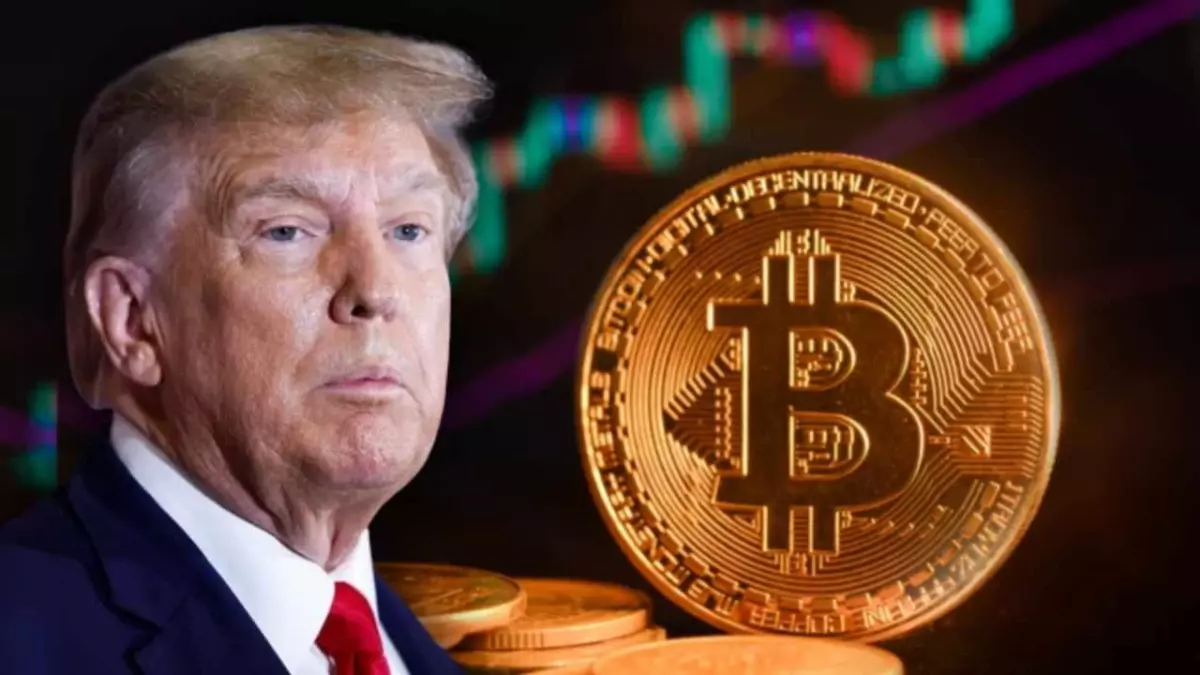
Tensions over Donald Trump’s growing cryptocurrency ventures spilled into Capitol Hill this week, jeopardizing hopes for a bipartisan breakthrough on U.S. digital asset legislation in 2024. A scheduled joint hearing between the House Financial Services and Agriculture Committees was effectively canceled after Representative Maxine Waters objected, citing ethical concerns tied to Trump’s crypto dealings.
Trump’s ventures include $Trump, a meme coin launched in January, and World Liberty Financial, a crypto firm partially owned by him. Both have sparked criticism over potential conflicts of interest, especially given Trump’s vocal support for deregulating the crypto industry and his campaign efforts to attract donations from crypto stakeholders.
Waters accused Republicans of turning a blind eye to what she described as “Trump’s abuse of power”, stating, “I cannot in good faith agree to such a hearing to discuss crypto market structure” under those circumstances. Her objection derailed a session that was expected to shape the first-ever comprehensive U.S. regulatory framework for digital assets.
Republican committee chair French Hill expressed frustration, saying Waters’ move introduced unnecessary partisanship into what had been a bipartisan effort.
The White House responded, with Deputy Press Secretary Anna Kelly asserting there is no conflict of interest, emphasizing that Trump’s assets are managed by his children through a trust. “President Trump is dedicated to making America the crypto capital of the world,” she added.
The controversy casts doubt on the future of other crypto-related legislation, including a key stablecoin bill that would regulate cryptocurrencies pegged to traditional assets like the U.S. dollar. The bill was once seen as a legislative priority, but Democrats are now resisting over concerns about weak anti-money laundering measures and the use of a World Liberty Financial stablecoin in a $2 billion deal with a UAE-based firm investing in Binance.
While Republicans — who hold a Senate majority — may still pass the bill, growing division risks undermining the crypto industry’s narrative that regulation can be a bipartisan success story.