Yazılar

China’s SiCarrier subsidiary launches homegrown chip design software amid U.S. tech tensions

A subsidiary of SiCarrier, a Chinese chip equipment manufacturer with close ties to Huawei, has unveiled two domestically developed chip design software tools, marking another step in China’s drive for semiconductor self-sufficiency, according to Chinese state-backed outlet The Paper.

The SiCarrier unit, called Yunqifang, introduced two electronic design automation (EDA) programs with fully independent intellectual property rights, aiming to reduce China’s reliance on Western technology in chip design. EDA software is critical to developing the blueprints of advanced semiconductors, which are central to modern electronics and artificial intelligence.

The announcement comes as U.S.-China tech tensions escalate. Earlier this year, Washington temporarily restricted exports of EDA tools to China after Beijing suspended exports of rare earths and magnets, which are vital for chipmaking. Analysts have warned that prolonged U.S. restrictions could cripple China’s semiconductor design capabilities, where it still trails the United States.

The timing of the launch coincides with U.S. President Donald Trump’s renewed threats to impose 100% tariffs on Chinese exports and expand export controls on “any and all critical software” by November 1, days before current tariff relief is due to expire.

Founded in 2021 and owned by the Shenzhen city government, SiCarrier has emerged as a strategic player in China’s semiconductor industry, aligning with Beijing’s push for technological self-reliance. Its progress reflects the broader effort to build a complete, homegrown semiconductor ecosystem capable of withstanding foreign trade pressures.

Malaysia to discuss semiconductor tariffs with U.S. at ASEAN summit next week

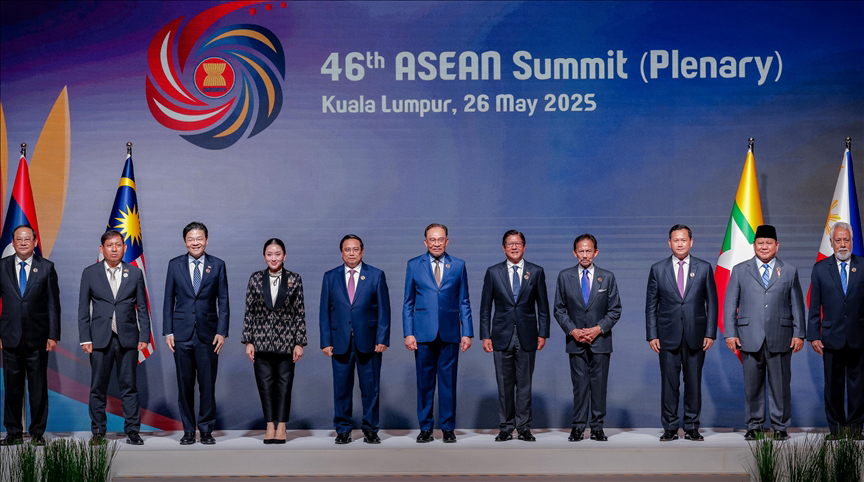
Malaysia plans to hold talks with U.S. Commerce Secretary Howard Lutnick next week on sectoral tariffs, including those on semiconductors, during the ASEAN Leaders Summit in Kuala Lumpur, state media reported on Wednesday.

The discussions come amid rising trade tensions after President Donald Trump’s administration imposed a 19% tariff on Malaysian exports to the U.S. in August. While semiconductors are currently exempt, they remain under review as part of a U.S. national security probe.

Malaysia is the world’s sixth-largest semiconductor exporter, and officials have warned that removing exemptions on chip exports could hurt competitiveness and disrupt global supply chains. Trade Minister Tengku Zafrul Aziz said he expects to finalize tariff negotiations with Washington during the summit, scheduled for October 26–28.

“I will hold discussions with Lutnick. He will also be attending the ASEAN Leaders Summit next week,” Tengku Zafrul told state news agency Bernama, adding that a final tariff agreement could be signed during the event.

The minister said Malaysia’s agriculture, industrial, and manufacturing sectors, as well as those engaged in U.S. trade and investment, are likely to benefit from the upcoming agreement. Several other ASEAN members are also expected to sign bilateral trade deals with Washington at the summit.

Under current U.S. policy, most Southeast Asian nations face tariffs between 19% and 20%, with Singapore receiving a 10% rate, while Laos and Myanmar have been hit with 40% tariffs.

Facebook removes page accused of harassing ICE agents after DOJ request

Meta Platforms has taken down a Facebook page that the U.S. Department of Justice said was being used to harass Immigration and Customs Enforcement (ICE) agents operating in Chicago, officials confirmed on Tuesday.

In a post on X (formerly Twitter), Attorney General Pam Bondi said the page was part of an effort to “dox and target” roughly 200 ICE officers deployed as part of President Donald Trump’s immigration enforcement campaign. Doxxing refers to the practice of publishing private information about individuals online, often to encourage harassment.

A Meta spokesperson confirmed the page’s removal, saying it violated Facebook’s policies against coordinated harm. The Justice Department did not provide further details, and Reuters was unable to access or review the page before it was taken down.

The takedown follows broader efforts by the Trump administration to clamp down on digital tools tracking ICE operations. Earlier this month, Apple and Google removed apps that allowed users to monitor ICE agent movements, following government pressure and threats of legal action against developers.

ICE has played a central role in Trump’s hardline immigration policy, carrying out frequent raids and arrests that have drawn criticism from human rights advocates. The administration, however, has accused left-wing activists of harassing and obstructing federal officers.

The decision also comes amid Meta’s attempts to repair its relationship with the Trump administration, following past clashes over content moderation and account suspensions. The company recently contributed $1 million to Trump’s inaugural fund and settled a lawsuit over his banned accounts for $25 million.