Yazılar

U.S. Senator Demands Telecom Firms Reveal Data Subpoena Details Linked to Jan. 6 Probe

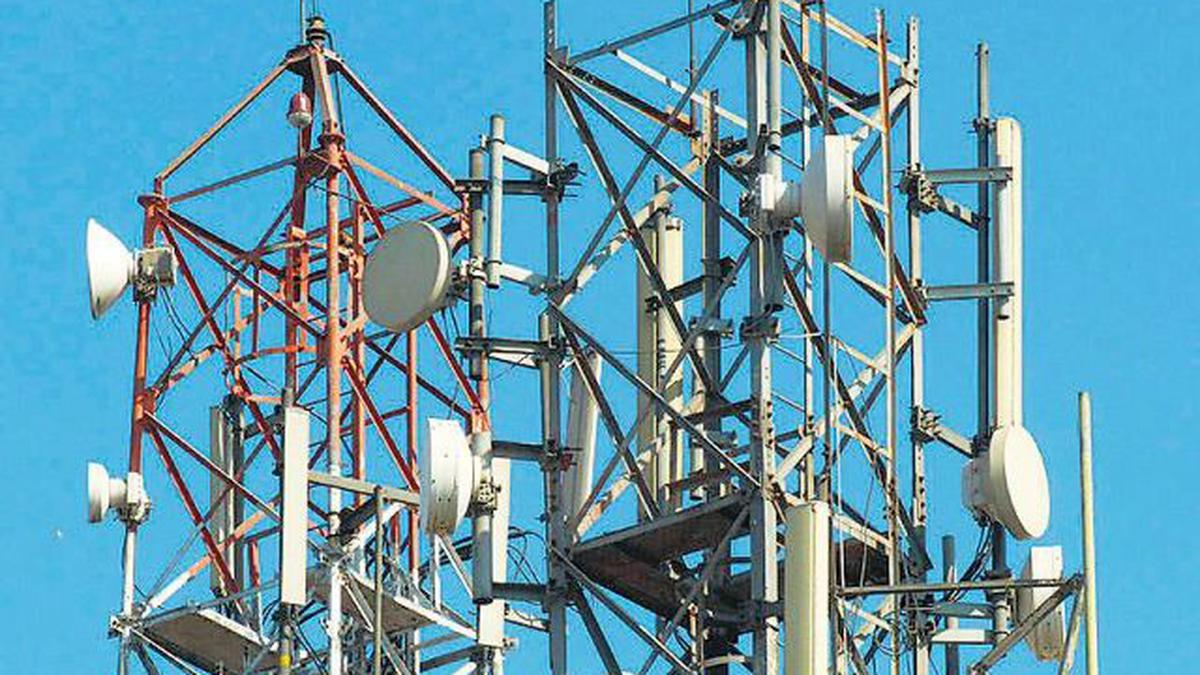
Republican Senator Marsha Blackburn has called on telecom giants AT&T, Verizon, and T-Mobile to disclose whether they received or challenged subpoenas for phone data belonging to eight U.S. senators, including herself, in connection with the Justice Department’s investigation into the January 6, 2021, Capitol riot.

The request follows the release of a 2023 document showing that the FBI obtained “toll records” — metadata including call times and durations — from lawmakers’ phones as part of Special Counsel Jack Smith’s probe into efforts by former President Donald Trump to overturn the 2020 election.

Verizon confirmed it complied with a valid grand jury subpoena and a court order to maintain confidentiality, saying it had “no knowledge of the investigation’s purpose.” Blackburn is pressing the companies to clarify whether the seized data came from lawmakers’ personal or official government devices.

Senator Bill Hagerty, another affected lawmaker, said he also demanded explanations from Verizon regarding his own phone records. The subpoenas reportedly covered calls made between January 4 and January 7, 2021.

The case stems from Smith’s now-dropped prosecution of Trump, which was suspended after his 2024 election victory. The Justice Department later cited its policy against indicting a sitting president, though Smith’s report stated the evidence gathered “would have been sufficient to convict.”

Federal Communications Commission Chair Brendan Carr said the agency would participate in efforts “to get to the bottom of what happened,” amid rising concerns about government access to lawmakers’ communications.

Trump’s EV rollback rattles America’s Battery Belt economy

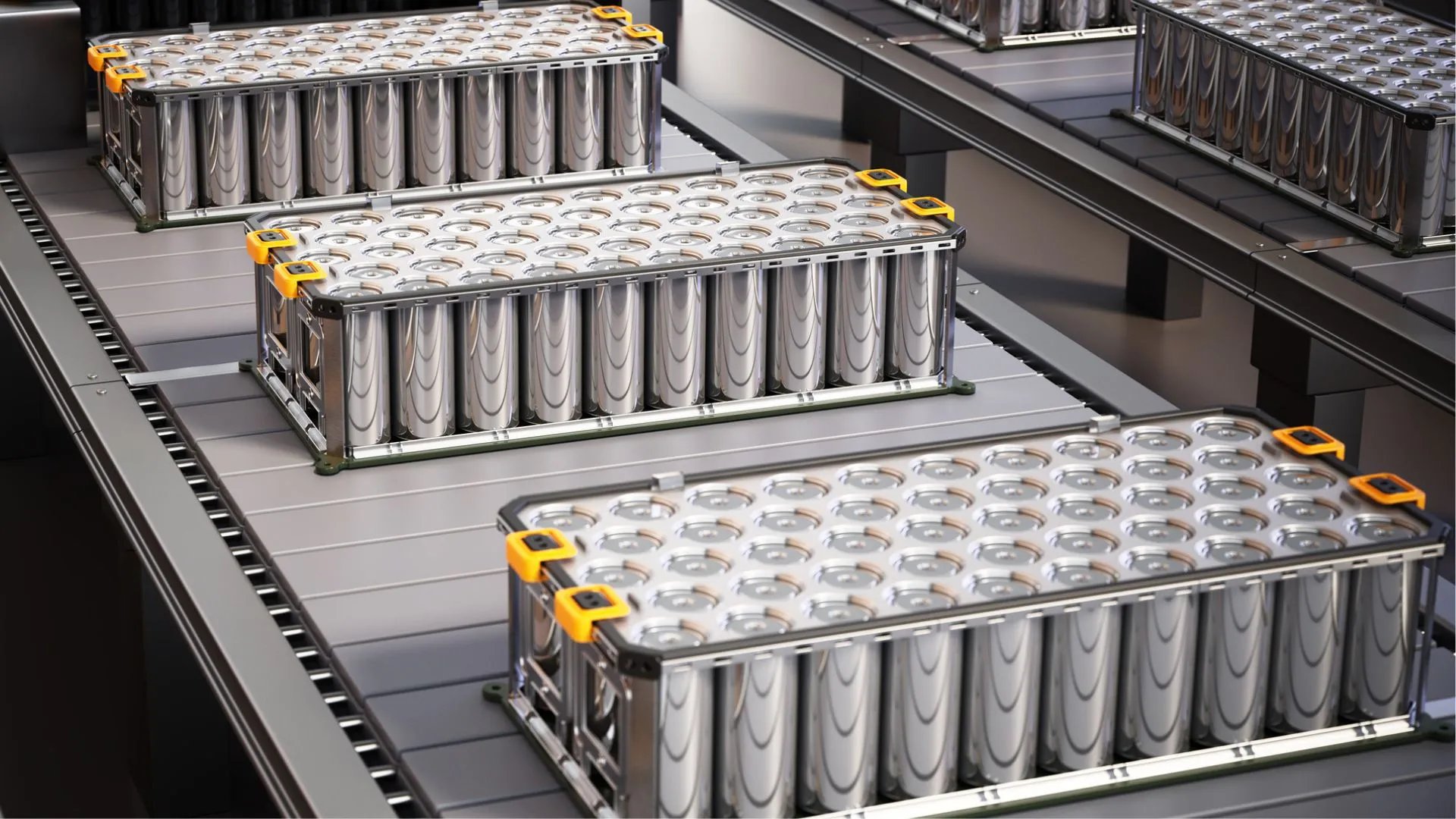
The U.S. Battery Belt — a stretch of billion-dollar electric vehicle and battery factories from Georgia to Indiana — is feeling the shockwaves of President Donald Trump’s EV policy shift, as automakers delay projects and rural communities brace for economic fallout.

In Stanton, Tennessee, population 450, Ford’s vast EV truck and battery complex once promised 6,000 jobs and a revival of the local economy. But after repeated delays, initial production has been pushed back to 2027, two years later than planned. Former mayor Allan Sterbinsky said locals now worry Ford might abandon or repurpose the 3,600-acre site entirely.

The slowdown reflects waning U.S. demand for electric cars after Trump allowed a $7,500 EV tax credit to expire on Sept. 30, a move Ford’s CEO Jim Farley warned could halve electric car sales. Analysts say this and other anti-EV measures have jeopardized projects across the South and Midwest.

A Reuters review of U.S. battery-investment plans found that even if all planned plants go forward, the country could face a glut of capacity. By 2030, factories could produce batteries for 13–15 million EVs, while demand may cover only a quarter of that, or about 3 million units, according to Benchmark Mineral Intelligence.

Some excess output could be redirected to hybrids or energy storage, but experts warn many facilities may go underutilized. “Much of what was originally going to benefit from these credits now no longer can,” said Jennifer Stafeil of KPMG.

Still, some companies press ahead. Hyundai’s $12.6 billion EV and battery complex in Georgia remains on track despite a federal investigation delay, and will employ 8,500 workers by 2031, according to local officials.

For towns like Stanton, however, the optimism of the EV boom has faded into uncertainty. “That’s on everybody’s mind,” said Sterbinsky. “We built our future around this.”

Malaysia warns U.S. chip tariff changes could disrupt global supply chains

Malaysia has warned that any move by the United States to remove tariff exemptions on its semiconductor exports could hurt competitiveness and strain global supply chains, according to an economic outlook report released with the country’s 2026 budget.

The warning follows President Donald Trump’s decision in August to impose a 19% tariff on Malaysian exports to the U.S., with semiconductors temporarily exempt pending a national security review. Trump has also proposed a 100% tariff on imported chips, excluding firms with existing or planned U.S. manufacturing facilities.

“Any removal of the semiconductor exemptions could result in repercussions, reduce competitiveness and strain sectors that are closely integrated with U.S. supply chains,” Malaysia’s government said. The Southeast Asian nation is the world’s sixth-largest semiconductor exporter and a crucial link in global chip assembly and testing.

The report estimates that the tariffs could reduce Malaysia’s GDP growth by 0.76 percentage points, while trade volumes are expected to contract next year. The government had already lowered its 2025 growth forecast to between 4% and 4.8%, from a previous 4.5%–5.5% range, citing escalating trade tensions. For 2026, it expects growth between 4% and 4.5%.

Economists say the tariff uncertainty threatens to disrupt Asia’s semiconductor supply network, which supports major American chipmakers like Intel and Texas Instruments that rely on Malaysia for downstream production.