Economic Concerns Drive Young Voter Engagement in the Upcoming US Presidential Election
With the US presidential election looming, both parties are increasingly focused on a crucial demographic: young voters. Economic issues, particularly inflation and housing costs, are emerging as significant motivators for this group as they head to the polls.
For 21-year-old Isabella Morris from Rosenberg, Texas, this election marks her first opportunity to vote. Balancing part-time work with childcare responsibilities, she and her husband struggle to make ends meet while living in a small one-bedroom apartment. Despite managing to pay off their debts, Isabella expressed concerns about their lack of savings and the precariousness of their financial situation. “We can’t afford any mistakes. One job used to be enough to live on, even at a minimum wage. Now it feels like we’re barely scraping by,” she shared. Her economic fears will guide her voting decisions in November, although she remains undecided about which candidate to support.
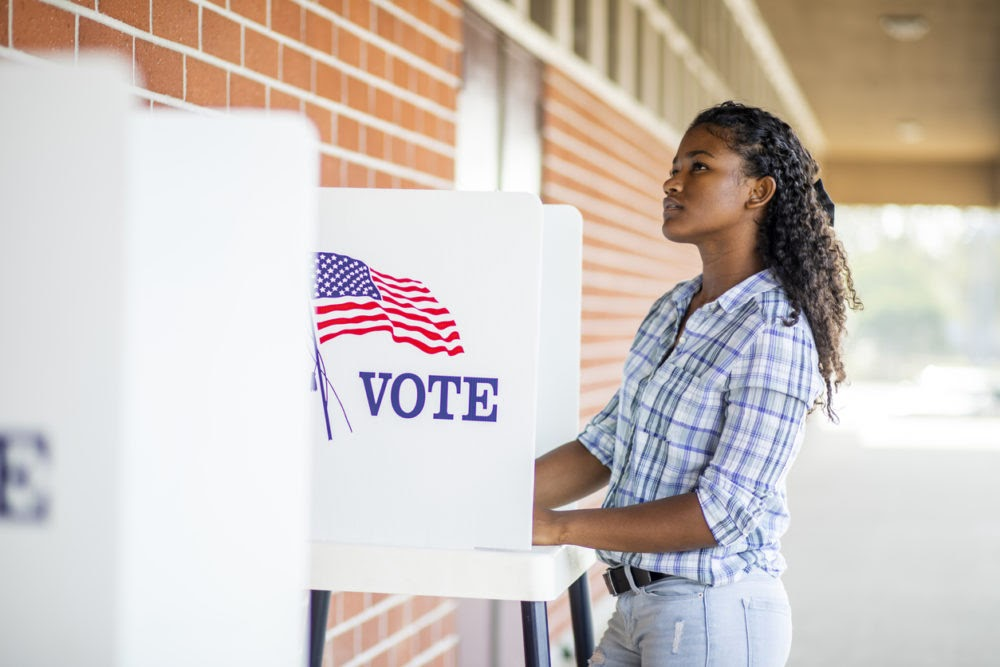
Isabella is among approximately 8 million young people voting in a presidential election for the first time. Representing roughly one-third of the electorate, voters under 35 are becoming a focal point for both parties, with polls indicating that the economy tops their list of priorities this election cycle. A recent Gen Forward Survey conducted by the University of Chicago revealed that while issues like reproductive rights and gun violence garner attention, young voters aged 18-26 prioritize economic growth, income inequality, and poverty above all else. This marks a shift from the 2020 election, where COVID-19, racism, and healthcare dominated concerns.
The economic landscape presents daunting challenges for young voters, characterized by soaring rents, unaffordable housing, and stagnant job creation. Economics influencer Kyla Scanlon, who has amassed over 180,000 followers on TikTok, emphasized the grim reality for today’s youth, stating, “The overall situation has degraded,” and pointing out that young people face greater financial hurdles than previous generations.
Data from TransUnion indicates that individuals aged 22-24 carry more debt—including credit cards, car loans, and mortgages—than millennials did at the same age, with their debt growing faster than their income. “There’s no beginner mode anymore—the bottom rung of the ladder just feels completely gone,” Scanlon added. Experts suggest that these financial anxieties could galvanize young voters to participate in the election. Abby Kiesa, deputy director of the Center for Information and Research on Civic Learning and Engagement (CIRCLE), anticipates that about half of young voters will cast their ballots this year, maintaining the high turnout seen in the 2020 election.
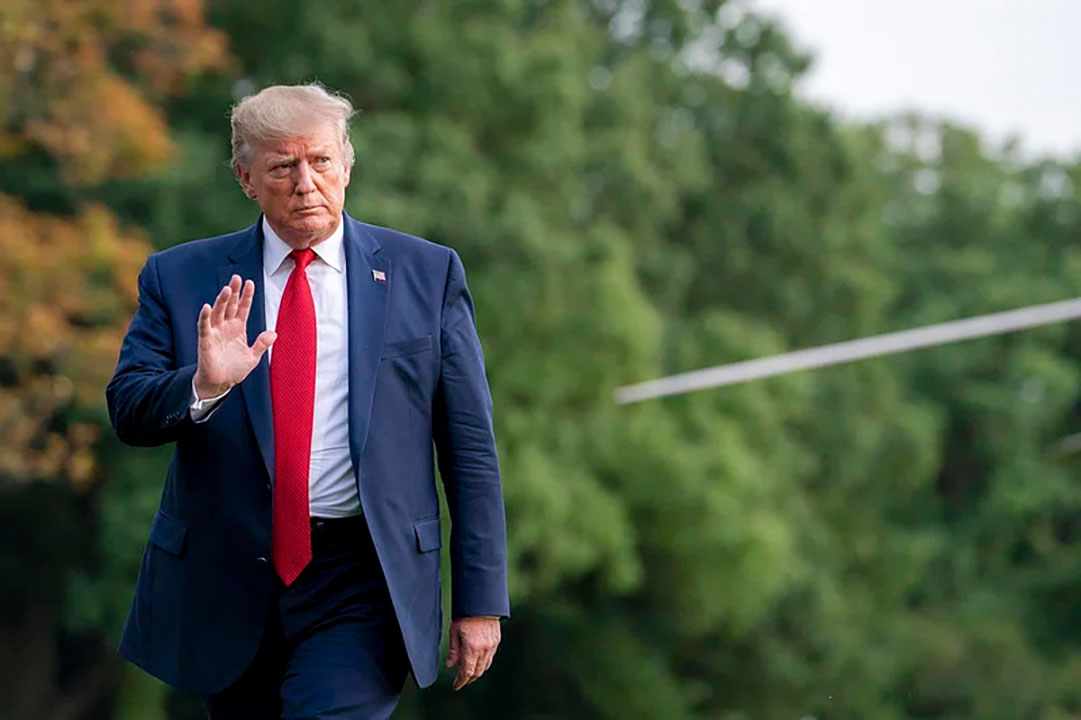
As candidates intensify their efforts to engage young voters, they are sharpening their economic messages. Vice President Kamala Harris has built on the Biden administration’s economic initiatives, proposing a $25,000 subsidy for first-time homebuyers and a $6,000 tax credit for families with newborns. Her campaign has notably increased youth organizing efforts and leveraged celebrity endorsements to connect with younger voters. In contrast, Donald Trump has sought to capitalize on economic dissatisfaction by criticizing the current administration’s record while promising to eliminate taxation on tips and remove regulatory barriers on cryptocurrency.
Polling suggests Trump previously made gains among young voters, with many believing he managed the economy better than Biden. However, a recent Harvard Institute of Politics poll indicates that Harris now leads Trump by a significant margin among likely voters aged 18-29.
The economic climate not only motivates young voters but also inspires some to run for office themselves. Gabriel Sanchez, a 27-year-old Democratic candidate for the Georgia state legislature, is campaigning to address the financial struggles of his generation. Working as a waiter, he has faced repeated rent hikes and expressed concerns about the accessibility of stable housing. “Most of us aren’t able to own a home, afford healthcare, or buy the basic things we need,” he stated on TikTok, underscoring his desire for representation that understands the challenges facing young Americans.
Sanchez’s campaign reflects a growing trend among young candidates, with Wyatt Gable, a 21-year-old Republican primary winner in North Carolina, also entering the race. If elected, Gable would become the youngest person to hold a seat in the state legislature, and he shares Sanchez’s belief that economic concerns will dominate young voters’ minds in the upcoming election. “My generation feels it. Seeing how bad inflation is, and with interest rates skyrocketing, that’s going to be the biggest thing on young people’s minds when they go to the ballot box,” he remarked.