Yazılar

New Political Violence Erupts Across the U.S. as Election Tensions Escalate

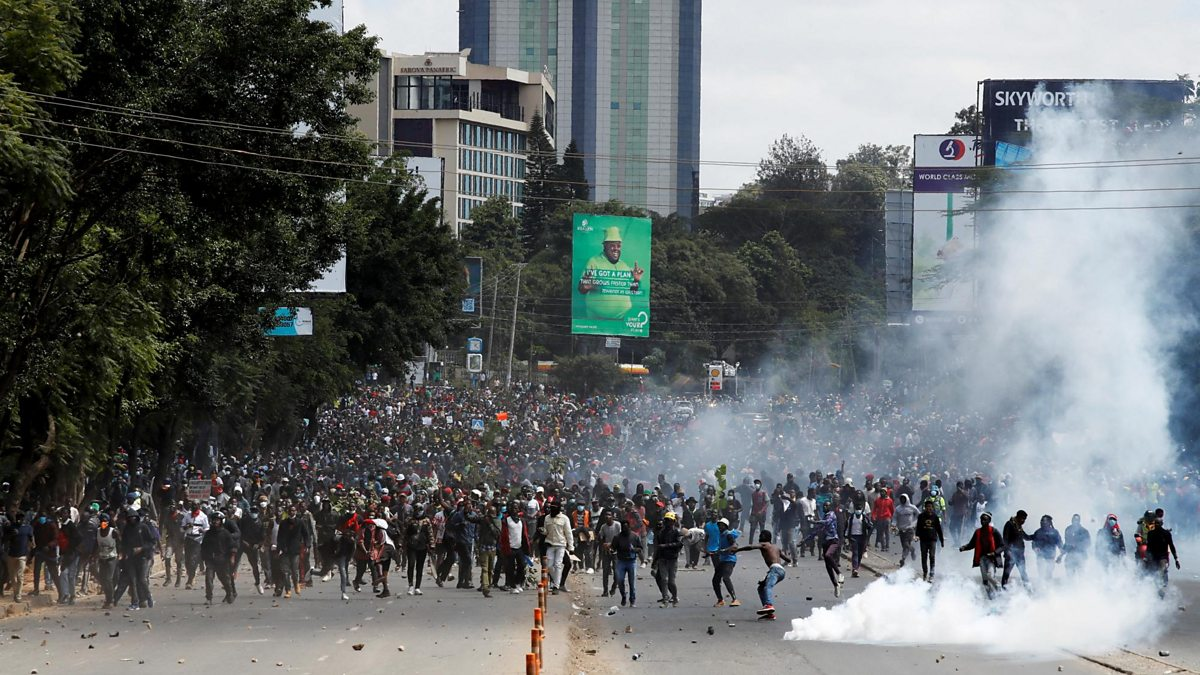
As the United States nears its November 2024 election, political violence has surged, exemplifying the increasing tensions between political factions. In York, Pennsylvania, a 74-year-old man was assaulted at a rally supporting Vice President Kamala Harris, while another attendee was racially slurred by the attacker. In northern Michigan, an 81-year-old man putting up a Donald Trump yard sign was struck and injured by an all-terrain vehicle driven by an individual angered by Trump.

These incidents are part of a broader wave of violence in the U.S., with at least 300 cases identified since the January 6, 2021, Capitol attack, 51 of which occurred this year. Experts note that the U.S. is experiencing the largest rise in political violence since the 1970s. These attacks, which range from brawls over political signs to more severe confrontations, have led to two deaths this year—a victim during an assassination attempt on Trump and the shooter himself.

While the most publicized incidents include assassination attempts on Trump and shootings at a Democratic campaign office, Reuters uncovered many other violent acts linked to politically charged issues like election disputes, LGBTQ+ rights, and the Israeli-Palestinian conflict. A growing number of Americans now view violence as an inherent part of political life, according to Nealin Parker of Common Ground USA. Robert Pape, a political violence expert, warns that the upcoming election could ignite further violence in battleground states.

Donald Trump’s rhetoric has stoked this volatile atmosphere, with the former president refusing to rule out the possibility of post-election violence if he loses. Trump’s assertions that any electoral loss would be due to fraud only further inflame tensions. Meanwhile, the Harris campaign has remained silent on these recent violent acts.

July’s attempt on Trump’s life marked one of the most significant recent cases of political violence. The shooter, Thomas Crooks, was killed, and law enforcement heightened security for fear of retaliation. On the day of the attack, another anti-Trump extremist, Joshua Kemppainen from Michigan, went on a rampage, vandalizing vehicles displaying Trump support before injuring an elderly man by running him over with an ATV. Kemppainen later fatally shot himself, following a history of mental health struggles.

Other cases of violence have emerged nationwide. In Massachusetts, a pro-Israel demonstrator shot a pro-Palestinian critic during a rally, while a Michigan man attacked a postal worker delivering pro-Harris campaign material. In North Carolina, a group of white men fired BB guns at Black teenagers after asking if they supported Trump.

The persistence of these incidents underscores the increasing polarization of American politics. As political extremism continues to grow, law enforcement and researchers alike warn of further violence as the election approaches, with citizens divided more deeply than ever before.
Black Women’s Maternal Health Crisis Gains Attention as Advocates Push to Make It an Election Issue

In 2015, Francisca Shaw was undergoing an emergency cesarean for her third child at the University of Washington Medical Center when she felt something was terribly wrong. “I remember I told my doctor when I was getting cut: ‘I can’t breathe,'” Shaw recalls, but her concerns were dismissed. Shaw’s uterus ruptured during the procedure, leading to heavy bleeding, a hysterectomy, and cardiac arrest. She spent three weeks in the hospital. While the medical center did not comment on her case due to privacy laws, Shaw’s story highlights the critical maternal health crisis Black women face in the U.S.

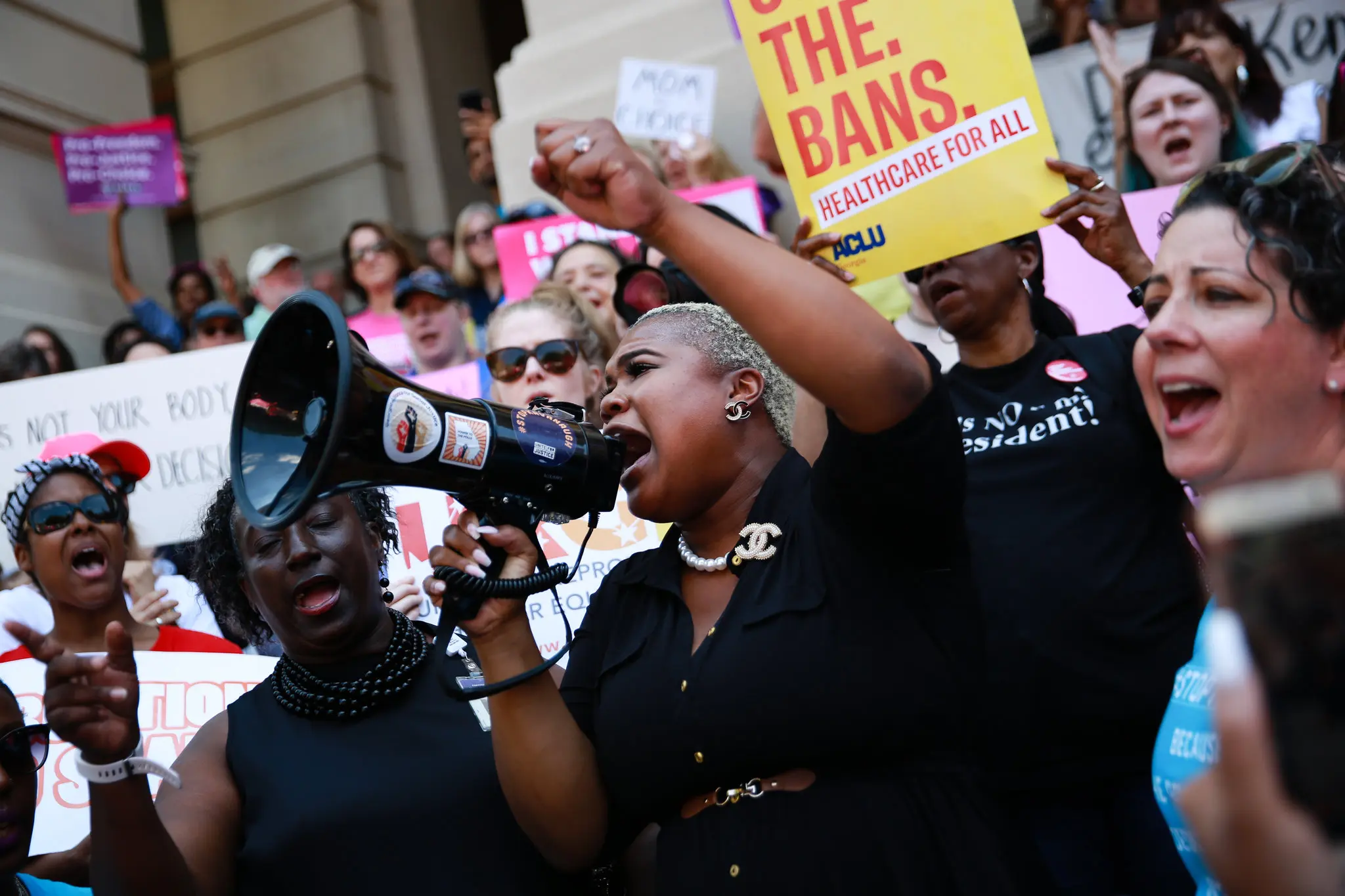
Now, advocates are working to raise awareness of this crisis ahead of the November 5 election, drawing attention to the disparities Black women face in pregnancy and maternal health. These efforts aim to address not only higher rates of complications and deaths during pregnancy but also increased rates of certain cancers. Despite public opinion surveys showing that inflation and the economy rank higher as priorities for Black women, reproductive health issues are becoming a central part of voter mobilization efforts.

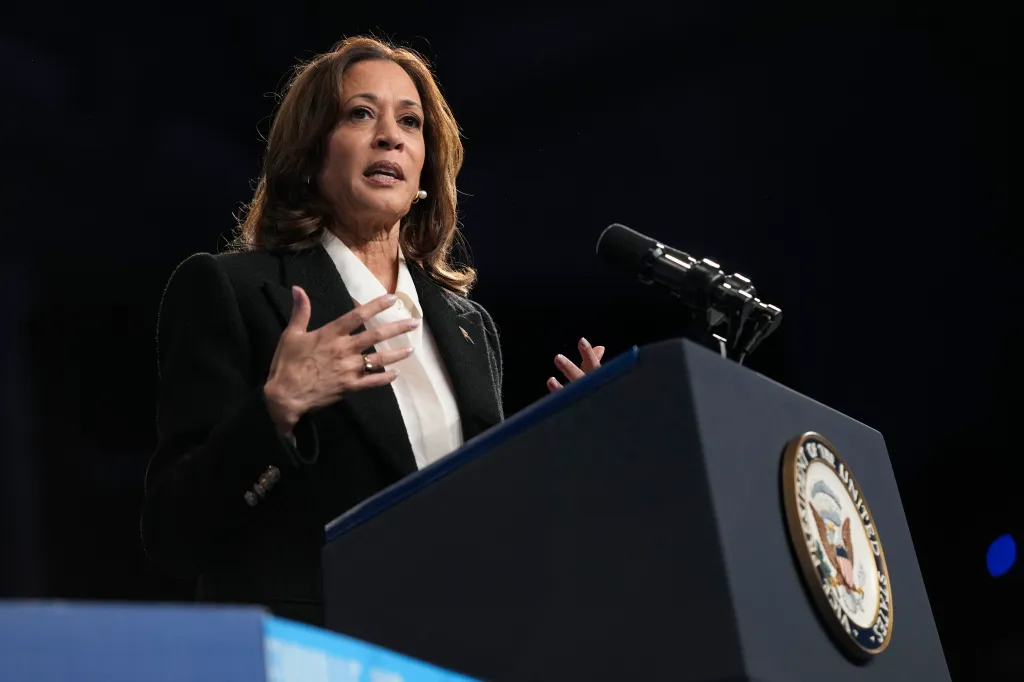
Kamala Harris, the Democratic candidate for president, has made abortion rights a key part of her platform, accusing Republican Donald Trump of contributing to the maternal health crisis by supporting abortion restrictions. Activists working for reproductive justice have focused on the broader issue of systemic healthcare inequities, beyond just abortion, seeking to spotlight disparities in maternal mortality and reproductive health care for Black women.

Black women account for 13% of the female population in the U.S., but they represented 41.5% of abortions in 2021, according to recent data. They are also three times more likely than white women to die from pregnancy-related causes, according to the Centers for Disease Control and Prevention (CDC). In Georgia, where Black people make up 31% of the population, the state has one of the highest maternal mortality rates in the country. Nearly 16% of women in Georgia have to travel more than 30 minutes to reach a hospital for delivery.

These disparities are driven by chronic conditions like cardiovascular disease and hypertension, as well as structural racism, implicit bias in healthcare, and limited access to quality care, according to health experts and the CDC. Leah Wright Rigueur, a professor at Johns Hopkins University, explained that the landscape for Black women’s reproductive health has worsened in the past few years due to abortion restrictions, making it harder to access emergency care in cases of pregnancy complications.

In Our Own Voice, a coalition of eight reproductive justice organizations, has spent $2 million on outreach efforts, including digital ads and mailers, to inform voters about abortion access and maternal health. They have targeted battleground states, including those where abortion is on the ballot in November. While Kamala Harris’s campaign has focused more on abortion access than maternal health specifically, her record includes sponsorship of the 2020 Momnibus Act, which aimed to expand access to prenatal and postpartum care for mothers and address health disparities.

Black maternal health has also become a central issue in Georgia, a battleground state with strict abortion laws. Two recent deaths of Black mothers, Amber Thurman and Candi Miller, were tied to complications from medication abortions, which Harris referenced during a campaign stop in Atlanta. Voter mobilization efforts, led by groups like the Feminist Women’s Health Center, are highlighting these issues, underscoring the passion for reproductive justice in Georgia.

As advocates push for greater attention to maternal health disparities, the upcoming election offers a critical moment to bring these life-threatening inequities to the forefront of national discussions.

Harris Courts Black and Latino Voters Amid Trump’s Gains

As the U.S. presidential election approaches, Vice President Kamala Harris is intensifying her outreach to Black and Latino voters, recognizing the critical role these demographics play in determining the election’s outcome. Recent polling indicates a shift, with Donald Trump making inroads among these voters, despite Harris’s initial strong support.

A New York Times/Siena poll reveals that Harris commands about 78% support from Black voters, a notable decrease from the near 90% historically achieved by Democrats. This decline is particularly pronounced among Black men, raising alarms about voter turnout as the election date nears.

Key States and Economic Concerns

In battleground states like Arizona, where nearly 25% of voters are expected to be Latino, and Georgia, where Black voters make up about 30% of the electorate, the stakes are high. Economic issues, especially inflation and living costs, dominate the concerns of Black and Latino voters. Many express dissatisfaction with the current economic climate, which has pushed some to consider supporting Trump.

Quenton Jordan, a Virginia resident who previously voted for Barack Obama, now backs Trump, citing the tangible struggles posed by inflation. “It’s making it harder for me,” he noted, highlighting how economic pressures can influence voter sentiment.

Trump’s Appeal: Economic and Social Issues

In Nevada, a state with a significant Latino population, residents like Lydia Dominguez report that many Latinos now view Trump more favorably, recalling the economy’s performance during his presidency. She emphasized that concerns about affordability have diminished the stigma around supporting Trump among her community.

Even some voters leaning toward Harris acknowledge that economic issues are compelling many to shift their support. Diego Arancivia, a former Republican in Nevada, stated that economic concerns alone could lead community members to vote for Trump, despite their personal feelings about him.

Immigration and Border Security

Concerns surrounding immigration and the U.S.-Mexico border further complicate the electoral landscape. Many Black and Latino voters feel the Biden administration’s handling of border security has been inadequate, making Trump’s hardline stance appealing. Rolando Rodriguez, a former Democrat and Trump supporter from Texas, described the situation at the border as unprecedented, emphasizing the challenges it poses to local communities.

Jordan echoed these sentiments, asserting that resources should prioritize longstanding needs in the Black community rather than being diverted to assist migrants. This perspective aligns with Trump’s rhetoric, as he has framed immigration as an “invasion” negatively affecting both Black and Latino communities.

Shifts in Social Views

Political science professor Quardricos Driskell highlights a perceived disconnect between the Democratic Party’s social agendas and the values of some Black male voters. Many feel that their views on masculinity and social issues are being overlooked by Democrats. Clarence Pauling, a barbershop owner in South Carolina, noted that he finds the Republican Party’s stance more aligned with his religious beliefs regarding gender and sexuality.

Harris’s Response and Strategies

In response to these challenges, Harris is ramping up her campaign efforts, unveiling an “opportunity agenda for Black men” and engaging with Black entrepreneurs in key swing states. She is also set to speak with influential figures in the Black community, such as radio host Charlamagne Tha God.

As Trump actively courts Black and Latino voters during town hall events, he boasts of improving polling numbers within these demographics, suggesting a shift in the political landscape that Harris must urgently address to galvanize voter turnout in November.