Yazılar

Harris Emphasizes Manufacturing in Michigan to Counter Trump’s Economic Advantage

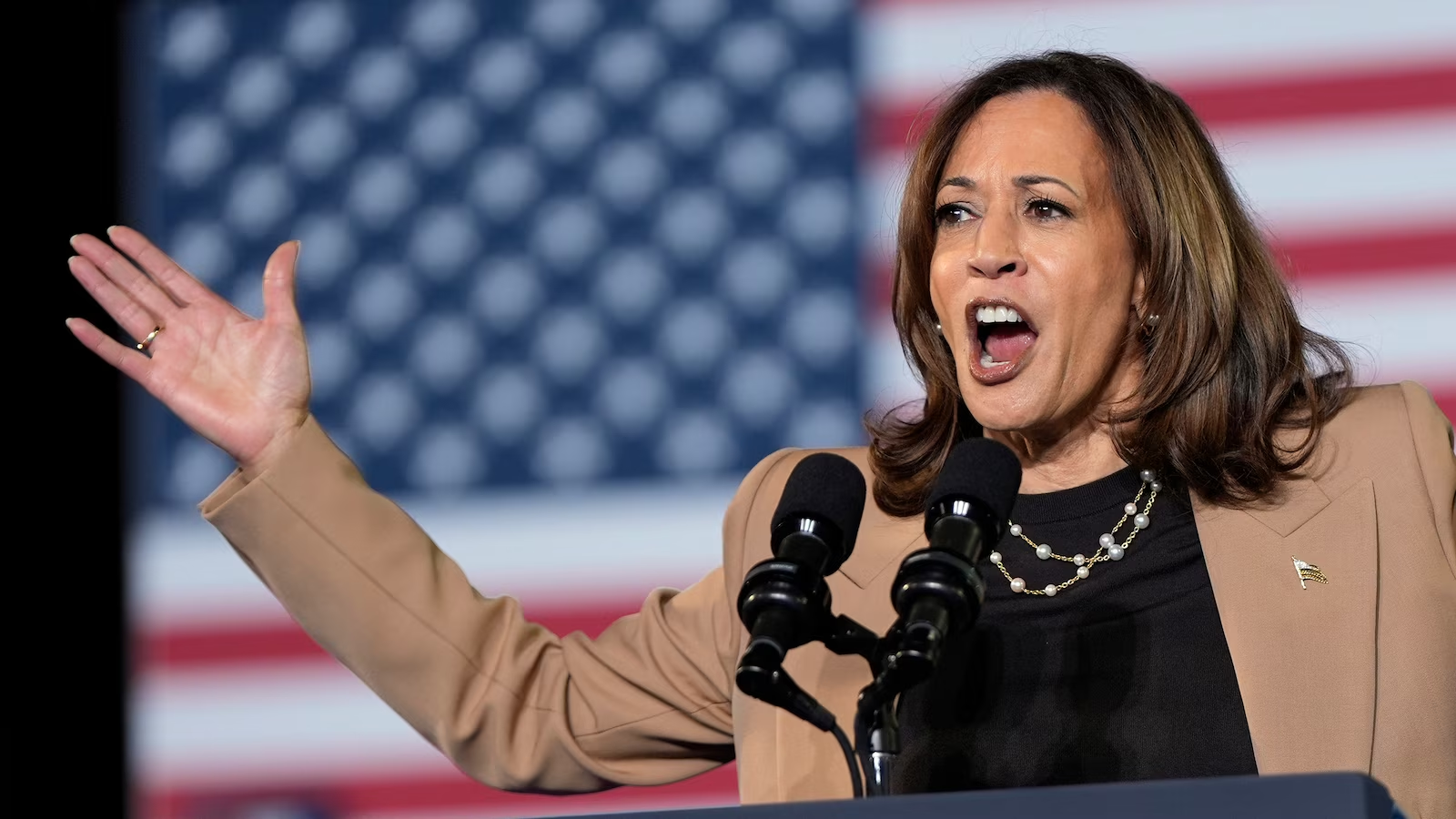
In a bid to strengthen her position ahead of the upcoming election, Vice President Kamala Harris focused on manufacturing during her visit to Michigan on Monday. Speaking at the Hemlock Semiconductor manufacturing center, she aimed to challenge former President Donald Trump’s lead in economic polling.

Key Highlights:

  • Criticism of Trump’s Record: Harris accused Trump of compromising U.S. security by selling advanced chips to China during his presidency. She emphasized that prioritizing America’s security and economic prosperity should be central to any presidential agenda.
  • CHIPS Act Advocacy: Highlighting the Biden administration’s investment in domestic semiconductor production, Harris pointed out that the Hemlock facility benefited from a $325 million investment under the CHIPS and Science Act. She praised the act for creating tax credits that incentivize private sector investments in U.S. manufacturing.
  • Polling Context: Recent polling from CNBC indicated that 46% of respondents believed Trump would be better for the economy, compared to 38% for Harris. In battleground states, Trump held an 8-point lead, reflecting the challenges Harris faces in changing public perception.
  • Campaign Strategy: Harris’s Michigan visit is part of a broader campaign strategy targeting battleground states. She has a packed schedule, including stops in Pennsylvania, North Carolina, Wisconsin, Arizona, and Nevada.

Differing Manufacturing Visions:

  • Trump’s Approach: Trump has proposed repealing the Inflation Reduction Act and criticized the CHIPS Act. He suggested implementing a universal tariff policy on imports to boost domestic manufacturing, which he refers to as a primary strategy.
  • Harris’s Strategy: In contrast, Harris promotes increasing manufacturing through tax credits and government subsidies across sectors such as artificial intelligence, clean energy, and automotive manufacturing. She criticized Trump’s tariff proposal, labeling it a “Trump sales tax” due to concerns over rising consumer prices.

Upcoming Engagements:

Following her speech, Harris plans to visit a labor union training facility and attend a rally with her running mate, Minnesota Governor Tim Walz, in Ann Arbor, as she continues her campaign push in key states leading up to the Nov. 5 election.
Economic Concerns Drive US Voters, Some Blame Democrats

For many Americans, the economy is a defining factor in the 2024 presidential election, with many feeling financial strain despite broader economic stability. Voters like Tiesha Blackwell, a former Biden supporter, say rising costs of essentials like food and rent have pushed them towards Donald Trump. Blackwell, a Michigan resident, noted significant price hikes over the past four years, from doubling rent to costly groceries, despite her income improvements.

Economic Recovery and Persistent Cost Concerns

Though the U.S. economy has rebounded strongly post-COVID-19, with high employment, robust consumer spending, and reduced inflation, the cost of living remains a pressure point for many. Prices on everyday items like rent and groceries are considerably higher than in 2019 due to complex issues beyond direct government control, such as supply chain disruptions, labor expenses, and limited market competition. These rising costs resonate especially with voters in swing states, where a recent Reuters/Ipsos poll revealed that 61% feel the economy is on the “wrong track” and 68% believe the cost of living is still too high.

Divergent Economic Policies: Harris and Trump

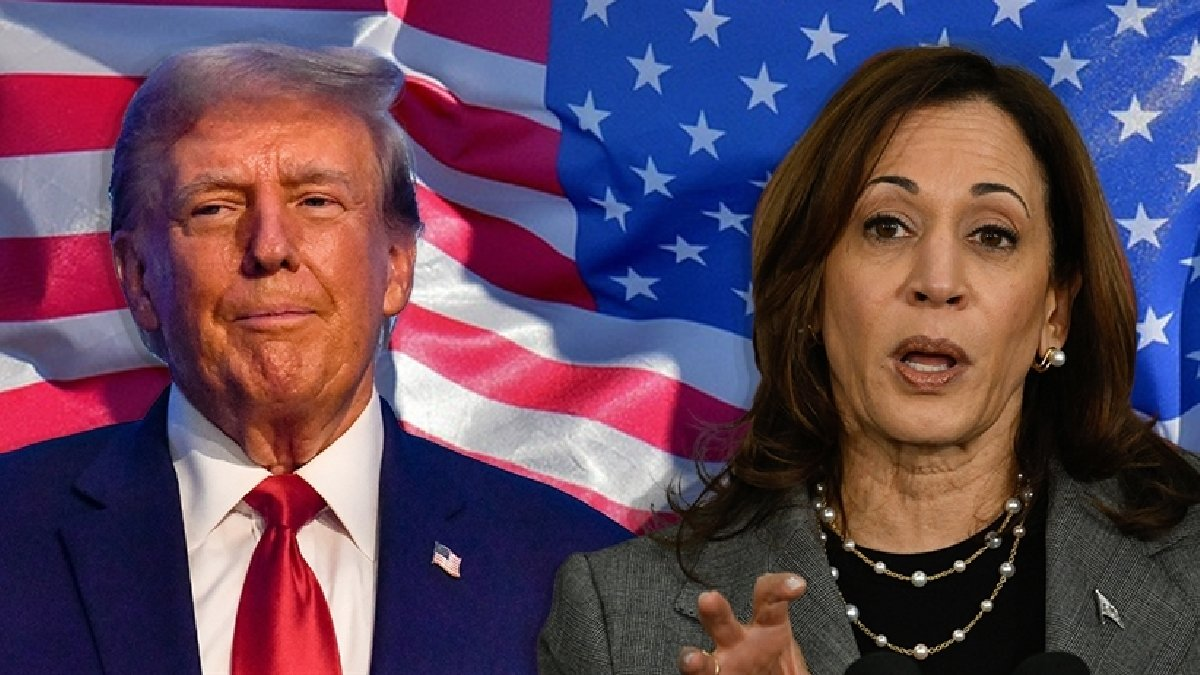
Democratic nominee Kamala Harris has proposed measures to counter rising costs, including anti-price gouging policies and expanding the child tax credit, aiming to relieve financial pressures. Trump’s proposals center around tariffs on imports, tax cuts on overtime, and mass deportations. Economists warn that Trump’s tariff and immigration policies could further drive up consumer prices. However, Trump holds an edge on economic issues, with 46% of voters favoring his approach over Harris’s 38% in this month’s Reuters poll.

Michael Strain, an economist at the American Enterprise Institute, sympathized with voters’ frustration over inflation, acknowledging that price hikes feel deeply personal. “I feel like somebody punched me in the face and stole a $20 bill out of my wallet,” he noted, describing the palpable impact of restaurant prices on his budget, even though he is critical of Trump’s tariff strategy.

Blackwell supports Trump’s stance on tariffs, believing they may temporarily increase prices but could ultimately benefit American manufacturing and job security.

Michigan’s Critical Role

Harris has devoted significant campaign resources to Michigan, where Democrats face ongoing concerns about rising costs and local industries. Michigan’s economy is growing, with recent federal investments creating job growth and lowering unemployment to a 20-year low. Yet, concerns linger about electric vehicle transitions impacting the auto industry. Democratic strategist Ameshia Cross emphasized that while the Biden administration has created jobs, high costs are hitting voters hard, particularly on basics like housing and food. “All politics is personal,” she said, highlighting the way voters perceive the economy through their daily expenses rather than job statistics.

Young Michigan residents, like Devin Jones, echo these sentiments, recounting how rising costs forced his family to relocate to Indiana to find affordable housing. In Flint, another Michigander, United Auto Workers member Stu Billey, has seen benefits from his union job, which increased his wage significantly. Despite these gains, he notes that while he will support Harris, enthusiasm for her candidacy does not match that for past Democratic figures like Obama or Biden.

As November 5 approaches, economic concerns remain at the forefront of voters’ minds, making affordability and financial security central themes in a highly polarized election.

The Gender Divide in the 2024 US Election: Men vs. Women Voters

As the 2024 presidential election approaches, a significant gender divide has emerged in voter preferences. Donald Trump holds a commanding lead among male voters, while Kamala Harris enjoys a similarly strong support base among women. This political gender gap, rooted in years of social upheaval, could play a pivotal role in determining the election’s outcome.

Kamala Harris and the Gender Factor

Kamala Harris, the first woman of color to secure a presidential nomination and only the second woman ever to reach this stage, strives to downplay her identity in campaign discussions. In a recent CNN interview, she emphasized her qualifications for the presidency, stating, “I believe that I am the best person to do this job at this moment for all Americans, regardless of race and gender.”

Despite her efforts to focus on her capabilities, gender is increasingly becoming a central issue in the campaign. Acknowledging this reality, a Harris campaign official suggested that “hidden sexism” may deter some voters from supporting her candidacy. While many might not openly admit their biases, they may express concerns about Harris’s readiness or personality, which can often be a veiled reference to her gender.

Trump Campaign’s Perspective

The Trump campaign dismisses the notion that gender plays a role in voter preferences. Bryan Lanza, a senior adviser, stated, “Kamala is weak, dishonest, and dangerously liberal, and that’s why the American people will reject her.” He expressed confidence in Trump’s potential victory, attributing it to the male gender gap that favors the former president.

Historical Context of Gender Bias in Elections

Reflecting on past elections, especially Hillary Clinton’s 2016 campaign, it’s evident that gender biases influenced voter perceptions. Madeleine Dean, a Pennsylvania Congresswoman, recounted conversations where constituents expressed vague discomfort with Clinton, which she later recognized as being tied to her identity as a woman. Although Dean believes such sentiments are less pronounced today, she acknowledges that resistance to powerful women persists for some voters.

The Impact of Social Movements

Since 2016, significant strides have been made for women, particularly through the #MeToo movement, which raised awareness of gender discrimination. This shift has improved the landscape for female candidates like Harris. However, these advancements have also sparked backlash among certain demographics, particularly young men who feel marginalized by changing societal norms.

Current Gender Gap and Voter Attitudes

Recent CBS News polling indicates a widening gender gap in voter preferences, reflecting broader societal attitudes. Men are more inclined to believe that efforts to promote gender equality have gone too far, aligning themselves more closely with Trump. Conversely, women tend to believe these efforts are insufficient and are more likely to support Harris.

The polling also reveals that men are less likely than women to view Harris as a strong leader. In contrast, a majority of men believe Trump embodies strong leadership qualities. This dynamic suggests that the upcoming election is not merely a choice between candidates, but a referendum on gender roles and societal changes.

Young Men’s Reactions to Social Changes

Young men, in particular, may feel alienated by the recent social shifts, grappling with a sense of being overlooked in conversations surrounding gender equity. John Della Volpe, director of polling at the Harvard Institute of Politics, noted that young men often fear being labeled as misogynistic or homophobic for asking questions about their changing roles. This frustration can lead them to align with figures like Trump, who they perceive as representing their concerns.

As the election date approaches, the interplay of gender dynamics and societal changes will continue to shape the political landscape, influencing voter behavior and potentially swaying the election’s outcome.