Yazılar

Harris Takes Unexpected Lead Over Trump in Iowa as Election Nears

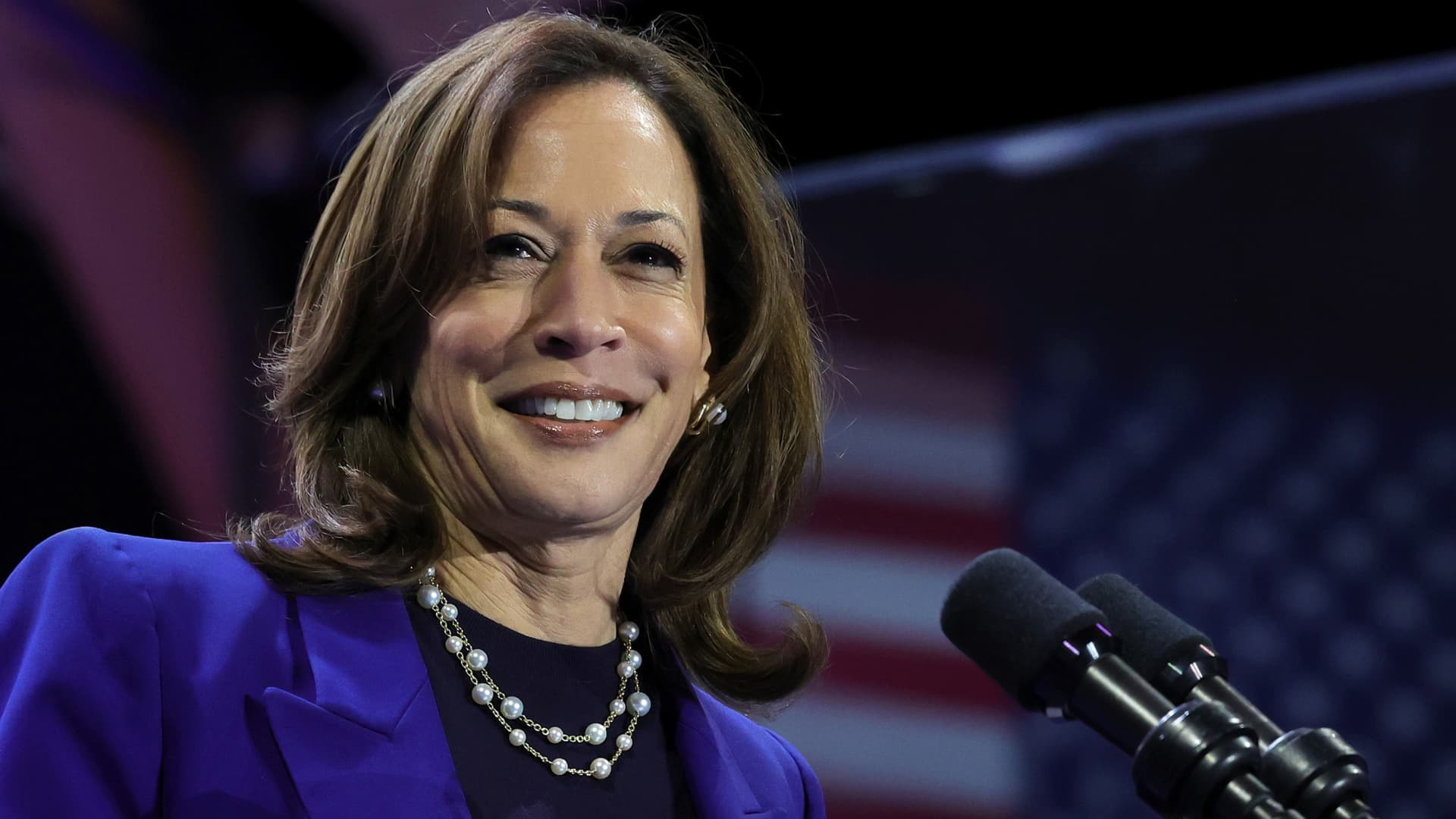
A new poll from the Des Moines Register/Mediacom shows Democratic presidential candidate Kamala Harris leading Republican candidate Donald Trump in Iowa by 47% to 44%, just days before the election. Although the lead falls within the poll’s margin of error of 3.4%, this result represents a surprising 7-point shift in favor of Harris since September. Political experts and observers were taken aback by these findings, as Iowa, a state Trump easily won in both 2016 and 2020, was not anticipated to swing in Harris’s favor.

J. Ann Selzer, president of Selzer & Co., the highly regarded polling firm responsible for the survey, commented on the unexpected result, saying, “It’s hard for anybody to say they saw this coming. She has clearly leaped into a leading position.” The survey, conducted from Monday through Thursday, included 808 likely voters, giving weight to the results among political strategists and campaigns.

The poll indicates Harris’s edge is largely driven by female voters, particularly older and politically independent women. According to Selzer, “Age and gender are the two most dynamic factors that are explaining these numbers.” This demographic support has played a critical role in propelling Harris ahead in Iowa, where neither she nor Trump has campaigned significantly since the primaries.

In contrast to this poll, an Emerson College poll released the same day shows a different picture, with Trump leading Harris by 53% to 43%. The Trump campaign quickly released a memo dismissing the Des Moines Register poll as an “outlier,” stating that the Emerson poll is a more accurate reflection of the Iowa electorate.

Adding another layer of complexity, 3% of likely voters in Iowa still support independent candidate Robert F. Kennedy Jr., who recently exited the race and endorsed Trump. The poll shift is notable given Iowa’s recent voting history, with Trump winning the state by 8 points in 2020 and by 9 points in 2016.

With Election Day just around the corner, Harris’s apparent surge underscores the volatile nature of the current political landscape, especially in states that were previously considered securely Republican.
Harris and Trump Make Final Push in Battleground States as Election Day Nears

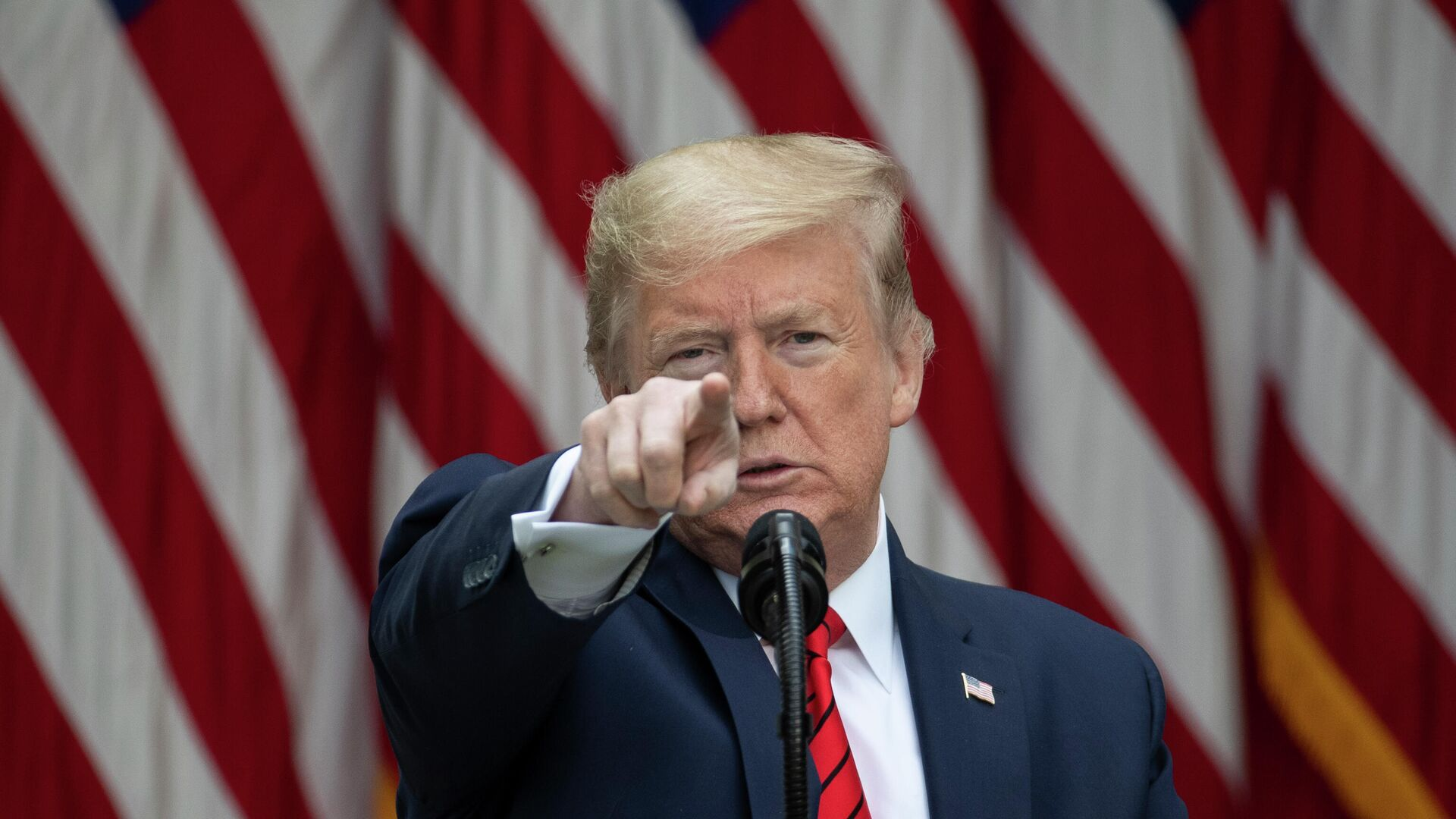
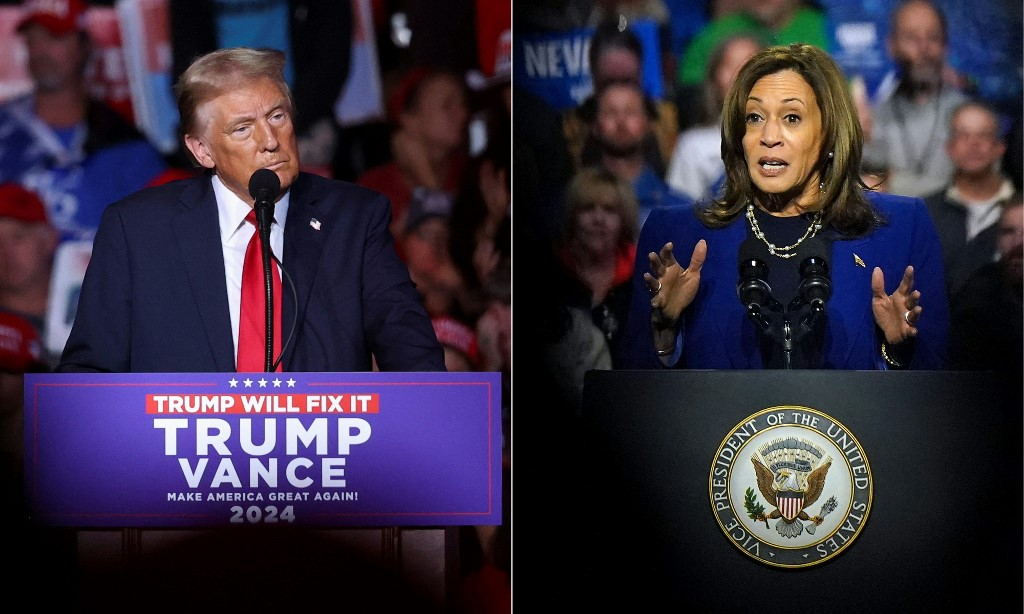
With only days left until the election, Democratic candidate Kamala Harris campaigned in Michigan on Sunday, while Republican candidate Donald Trump focused on eastern battleground states, hoping to secure votes from key demographics. Polls reveal an intensely close race, with both campaigns uncertain about the outcomes in seven critical states that could decide the election.

Notably, a recent poll suggested Harris is leading in Iowa—a state Trump comfortably won in previous elections—raising the possibility of unexpected results. However, another poll shows her trailing there, indicating that the race remains fluid. In Michigan, a state deemed essential for Democrats, Harris campaigned in East Lansing, a college town with significant electoral weight. However, she faces skepticism from Michigan’s sizable Arab American community, which numbers around 200,000. Many in this group express frustration that the vice president has not done more to address the war in Gaza or reduce U.S. aid to Israel. Trump, who visited Dearborn on Friday, home to Michigan’s Arab American community, pledged to end U.S. involvement in Middle Eastern conflicts.

Trump’s Sunday itinerary includes rallies in three smaller cities: Lititz, Pennsylvania; Kinston, North Carolina; and Macon, Georgia. Each stop targets rural voters, who remain a core part of his base. Notably, it is the first day since last Tuesday that Harris and Trump will not campaign in the same state. On Saturday, their paths intersected in Charlotte, North Carolina, with both candidates holding rallies at the same airport. Harris later appeared on “Saturday Night Live” in a surprise New York appearance.

In her closing campaign messages, Harris has been focused on addressing inflation, promising voters she will tackle the cost-of-living issues that have burdened Americans in recent years. She has also criticized Trump as divisive and dangerous, calling on voters to reject his approach to politics. “We have an opportunity in this election to turn the page on a decade of Donald Trump trying to keep us divided and afraid of each other. We’re done with that,” Harris said in Charlotte.

Trump, on the other hand, has targeted Harris over her role as vice president, pointing to the current administration’s challenges with inflation and immigration. On Saturday in Greensboro, North Carolina, he framed these issues as threats to American stability, declaring that illegal immigrants would only receive “a free ride back home.”

With an estimated 75 million votes already cast, nearly half of the total turnout from the 2020 election, early voting has been robust. However, a clear result may not emerge immediately, as several states, including Pennsylvania, may require additional time to count mail-in ballots.


Trump and Harris Compete for Latino Voters Ahead of Presidential Election

With Election Day just around the corner, former President Donald Trump and Vice President Kamala Harris have intensified their efforts to court the Latino vote, campaigning across southwestern states where Latino voters hold considerable sway. Latino voters represent 14.7% of all eligible voters in the U.S. for this election, with New Mexico leading with a Latino population share of about 45%, followed by California, Texas, Arizona, and Nevada. While California and Texas are predictably blue and red respectively, Arizona and Nevada, where Harris held her rallies, are crucial swing states.

Democrats have historically led with Latino voters, but recent polling shows that this advantage has waned over the last four election cycles, especially among Latino men, some of whom favor Trump on issues such as inflation and cost of living. Addressing a crowd in Albuquerque, New Mexico, Trump said, “I like you very much, and it’s good for my credentials with the Hispanic or Latino community,” though he jokingly asked the audience not to make him “waste a whole damn half a day here.” Despite New Mexico’s blue tilt—President Joe Biden won the state by 10.8 points in 2020—Trump believes he can win it, claiming, “We almost won it twice, and let me tell you, I believe we won it twice,” while suggesting that prior election results in New Mexico were manipulated.

Trump’s campaign, however, faced backlash last week after comedian Tony Hinchcliffe made offensive comments about Latinos during a Trump rally at Madison Square Garden, calling Puerto Rico “a floating island of garbage” and joking that Latinos “love making babies.” Campaign officials quickly distanced Trump from these remarks, though the former president has yet to apologize directly.

In New Mexico, Trump’s message focused heavily on immigration and border security, emphasizing the state’s border issues and asserting, “I am the only one that knows how to fix it.” However, a recent CNBC poll revealed that Latino voters ranked immigration as their fourth most pressing concern, with inflation, jobs, and threats to democracy taking higher priority. Furthermore, more Latino voters view immigration as beneficial to the U.S., though the gap has narrowed in recent years.

In contrast, Vice President Harris campaigned in Phoenix, Arizona, and in Reno and Las Vegas, Nevada, with a focus on the economy while contrasting her approach to Trump’s stance on immigration. “With five days left in this campaign, my opponent is making his closing argument to America—a message filled with hate and division,” Harris told the Phoenix crowd. “He insults Latinos, scapegoats immigrants, and it’s not just what he says; it’s what he will do if elected.”

At a Las Vegas rally, Harris was introduced by singer Jennifer Lopez, who emphasized her Puerto Rican heritage and addressed the significance of Latino unity, saying, “[Trump] has consistently worked to divide us. It wasn’t just Puerto Ricans that were offended that day; it was every Latino in this country.”

Both campaigns are ramping up efforts to reach Latino voters as November 5 approaches. Recently, Trump convened a roundtable with Latino business leaders in Florida, while Harris appeared in a pre-recorded interview aired by Telemundo, demonstrating the critical role that Latino voters are expected to play in this year’s election.