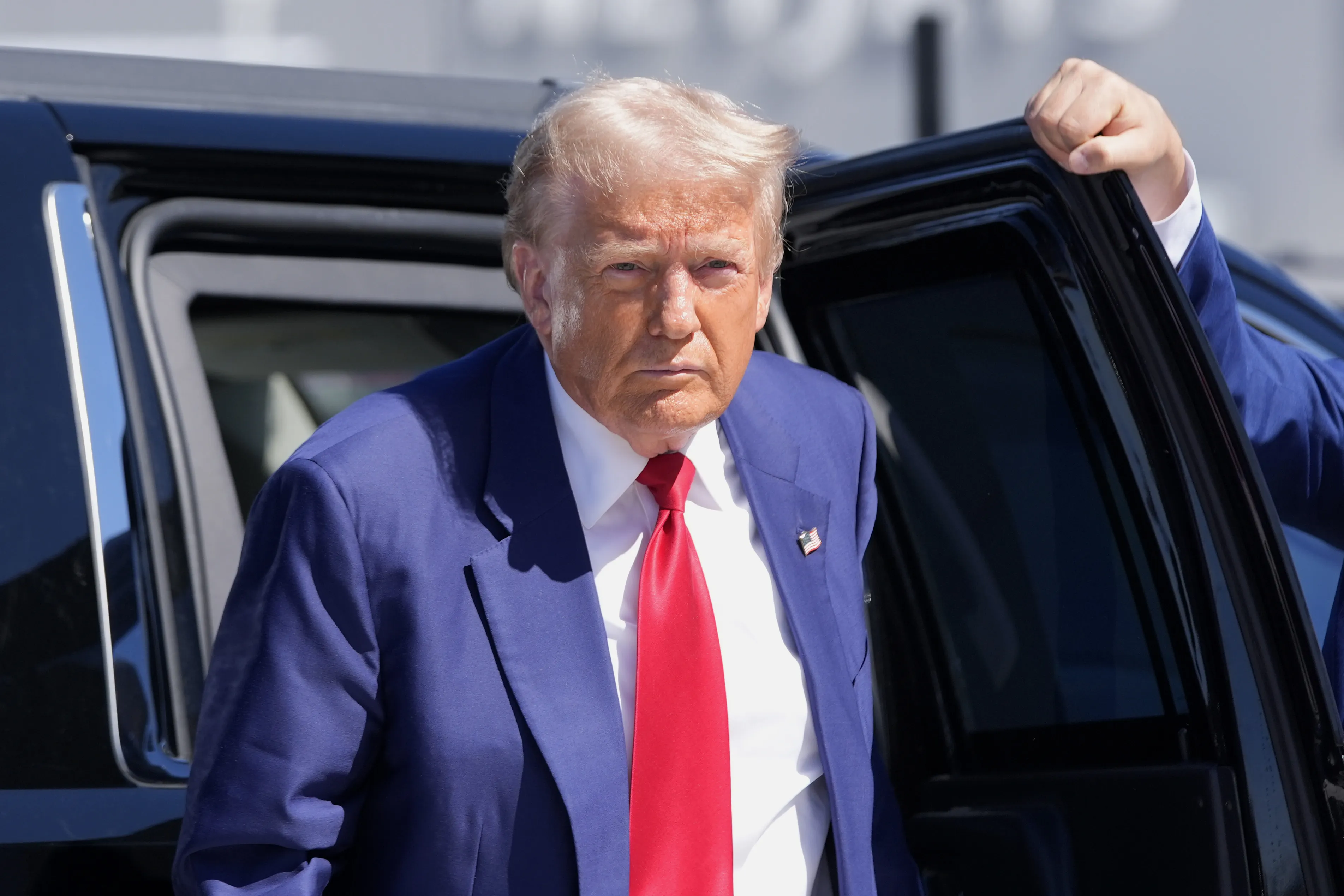
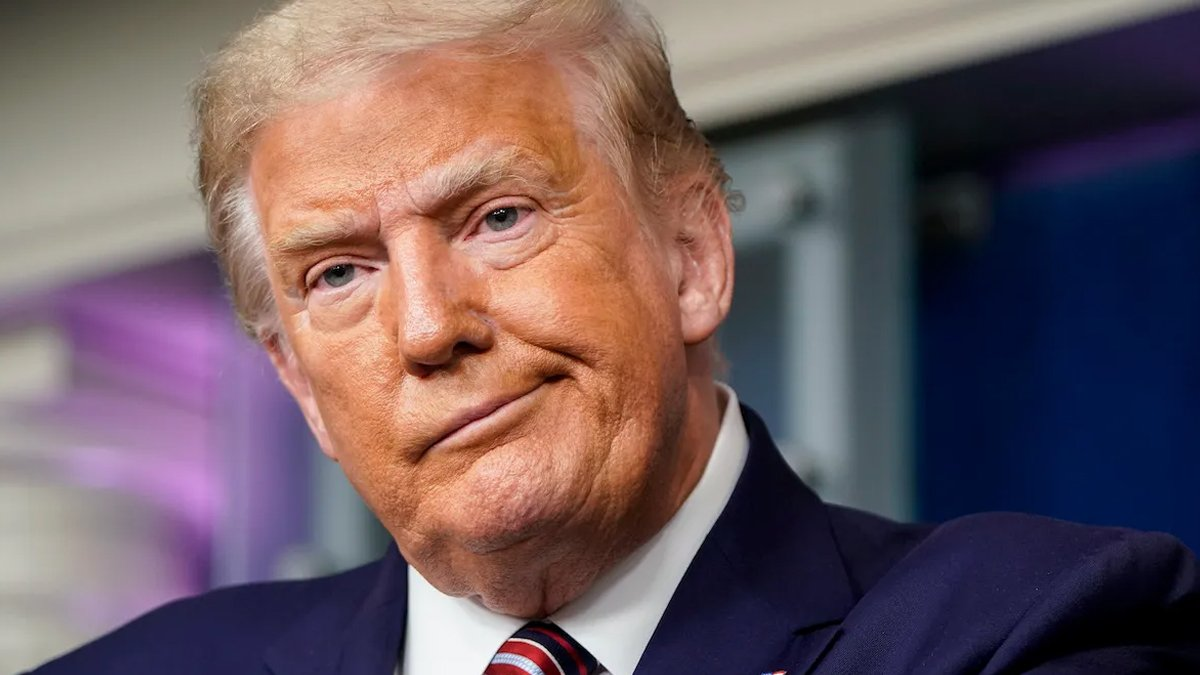
Tariffs remain a hot topic in today’s political discourse, with both Republicans and Democrats showing some level of support for them, even as voters complain about inflation. Former President Donald Trump has vowed to impose sweeping tariffs on imports, furthering his economic nationalism but contradicting his anti-inflation message. On the other hand, while Vice President Kamala Harris criticized Trump’s tariff plan, President Joe Biden has maintained many of the tariffs that Trump introduced during his presidency.
Douglas Irwin, a professor of economics at Dartmouth College and author of “Clashing over Commerce: A History of US Trade Policy,” provides valuable insights into the history of tariffs in the US, including the story of William McKinley, a former president admired by Trump. Surprisingly, McKinley, often associated with protectionism, began turning away from tariffs just before his assassination in 1901.
The Historical Role of Tariffs
Historically, tariffs served as a primary revenue source for the US government, particularly before the Civil War. Without income or sales taxes, the government relied heavily on taxing imports to finance national defense and reduce debt. According to Irwin, tariffs were easy to enforce since most goods arrived at a limited number of ports, making collection efficient.
However, tariffs also became a tool to protect domestic industries from foreign competition, creating tension between consumers seeking low prices and producers demanding protection from foreign goods. This tension persisted throughout US history and shaped trade policies over the decades.
McKinley’s Shift Away from Tariffs
Trump has praised William McKinley for his tariff policies, especially the McKinley Tariff of 1890, which protected domestic industries like steel. However, Irwin explains that McKinley’s views evolved once he became president in 1897. No longer representing just Ohio’s protectionist interests, McKinley began advocating for reciprocity—lowering US tariffs in exchange for other countries doing the same. This shift toward free trade aimed to open foreign markets for American exports, but McKinley’s untimely assassination cut short his efforts.
Interestingly, just one day before he was shot, McKinley gave a speech advocating for the end of “commercial wars,” signaling his desire for friendlier trade relations—a stance far removed from the protectionist label Trump associates with him.
Tariffs in the American Political Conversation
In the late 19th century, tariffs dominated political debates, as the federal government was smaller, and decisions about tariffs affected industries and regional economies. This echoes the current conversation about whether tariffs help or hurt the economy. While Trump argues that tariffs strengthened the US economy in the past, Irwin points out that the 1890s were a volatile period with significant economic instability, suggesting that high tariffs alone don’t guarantee growth.
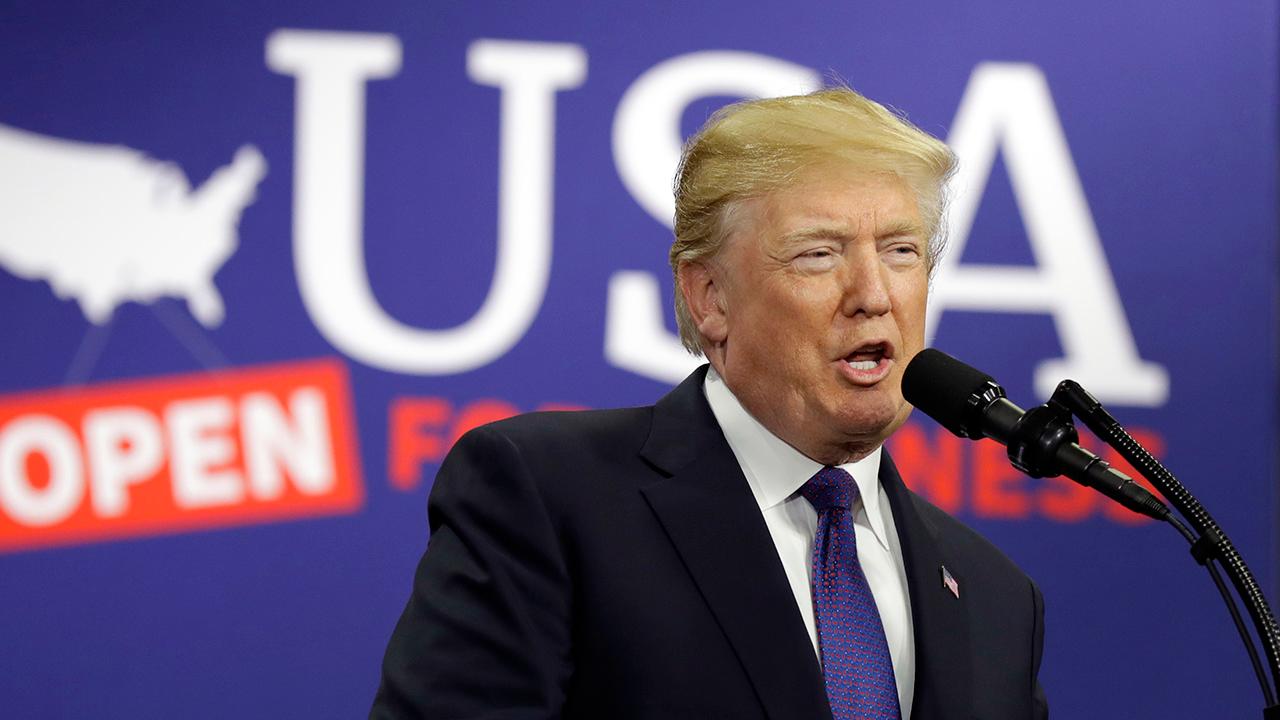
The US Shift Away from Tariffs
As the US introduced income and sales taxes, the reliance on tariffs for revenue diminished. By the 20th century, the US began focusing on expanding exports and opening foreign markets through trade agreements like the General Agreement on Tariffs and Trade (GATT) and NAFTA. Tariffs became less central to economic policy as global trade expanded.
Today’s Tariffs vs. 19th Century Tariffs
Trump’s proposed tariffs on imports would be closer to late 19th-century levels but not as uniform. Unlike the 19th century, where tariffs applied across all countries, Trump’s focus is primarily on China. Irwin notes that targeting a specific country with high tariffs is a relatively modern strategy.
Can Tariffs Replace Taxes?
Trump has claimed that his tariffs would generate trillions in revenue to fund social programs. However, Irwin dismisses this idea, stating that tariffs, which apply to only a fraction of GDP, cannot replace income taxes. Furthermore, high tariffs would reduce imports, shrinking the revenue base.
Who Pays for Tariffs?
Despite Trump’s assertion that foreign countries pay tariffs, studies show that the cost is passed on to American consumers. Businesses absorb the cost of tariffs and raise prices on goods, meaning that US consumers ultimately bear the financial burden.
Nationalism and Tariffs: Then and Now
In the late 19th century, tariffs were also seen as a patriotic act, especially against Britain, the dominant industrial power at the time. Today, China occupies a similar position in American political discourse. Irwin highlights that the Republican Party, historically the party of protectionism, has now shifted toward a more nationalist approach, with Trump leading the charge on imposing tariffs to protect American industries.