Yazılar

Haitian Immigrants Fuel Springfield’s Growth Amid US Presidential Debate

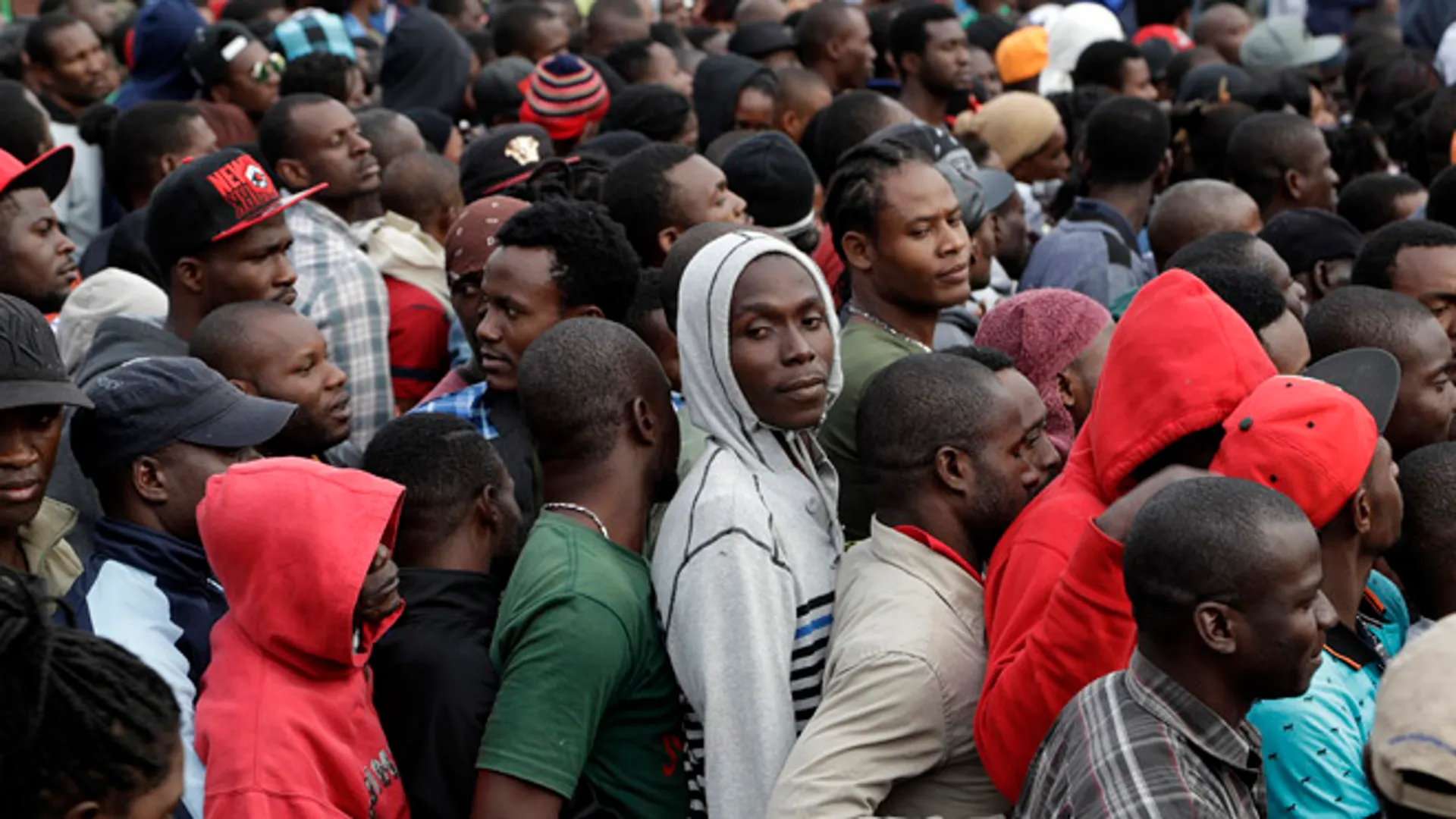
The influx of Haitian immigrants into Springfield has not only reshaped the struggling Midwestern industrial city but also placed it at the center of a national debate. Since 2022, immigrants like Rose Joseph and Banal Oreus, who followed different migration paths, have contributed to Springfield’s workforce. Joseph, who arrived in 2022, works in an Amazon warehouse and assists with seasonal tax preparation. Oreus, after an eight-year journey through Brazil, Portugal, and Mexico, reached Springfield in 2023 to join family and now works in manufacturing and supports newcomers with immigration services.

The arrival of up to 15,000 Haitian immigrants has offered both hope for economic revitalization and growing pains for the city. Springfield, with a population of 58,000, has experienced rising enrollment in Medicaid and food assistance programs, increased rents, and even vehicle accidents. However, local police data contradicts claims of increased crime tied to the immigrant community, despite false narratives circulating during the recent presidential debate. Republican candidate Donald Trump, alongside his running mate JD Vance, has falsely linked Haitian immigrants to crimes, including baseless allegations of violence and pet harm. City commissioners and local police have dismissed these claims, emphasizing the legality and contributions of the Haitian community.

The city’s economic landscape has shifted due to the growing population. Rents rose sharply between 2022 and 2023, but the housing market has since stabilized. Wages have seen significant growth, especially in response to the tight labor market, and although recent hiring has slowed, Springfield’s economy has benefited from the increased workforce.

Despite tensions, local leaders and business officials view the Haitian presence as a long-term asset. Springfield’s mayor, Rob Rue, acknowledges the current challenges but remains optimistic about the city’s future. Efforts are underway to find additional resources for public services and provide language assistance, as Haitian immigrants continue to play a vital role in filling job openings in manufacturing and distribution sectors.

While Springfield’s housing crisis predated the arrival of Haitian immigrants, signs of recovery are emerging with new housing developments, the revival of downtown real estate, and investment interest from the broader region, including the Intel chip plant near Columbus.
 

Harris Rattles Trump in Combative Debate

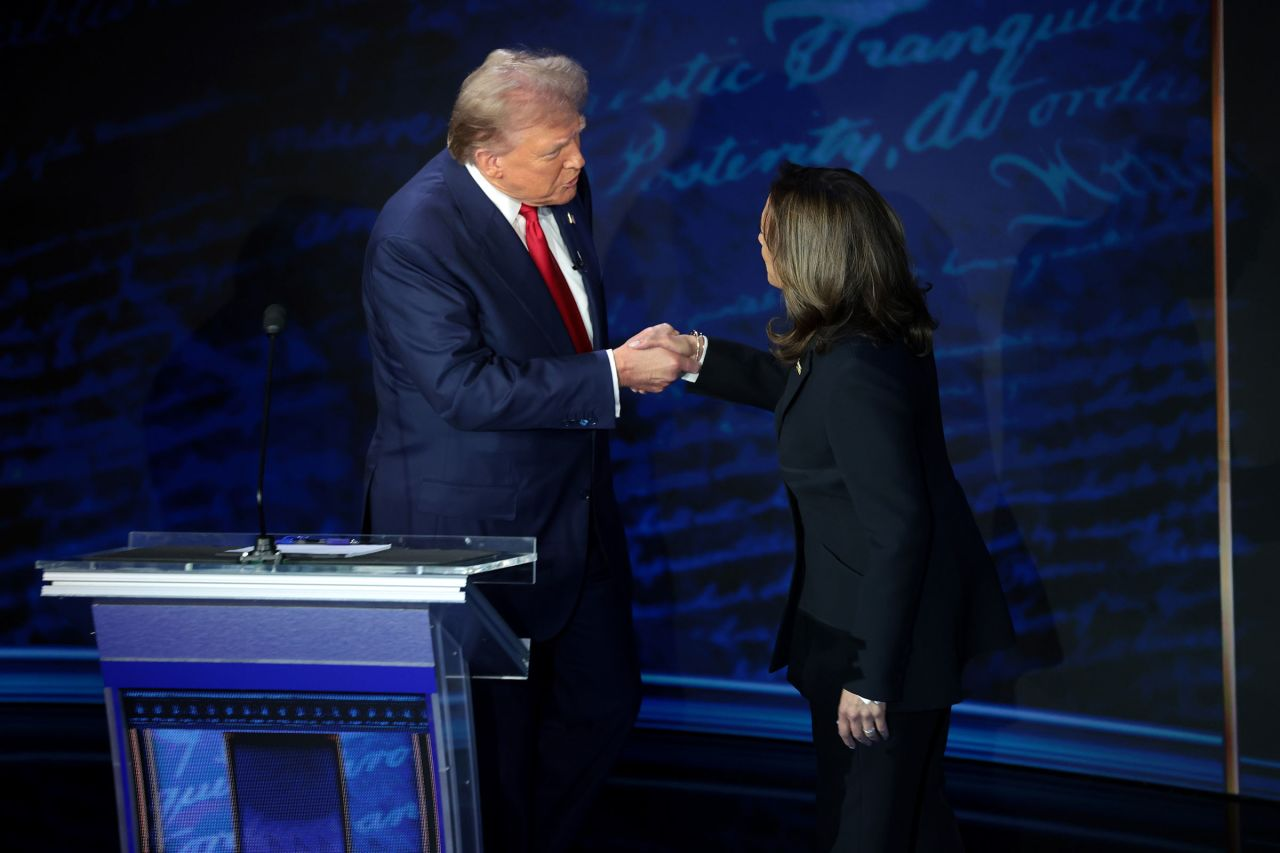
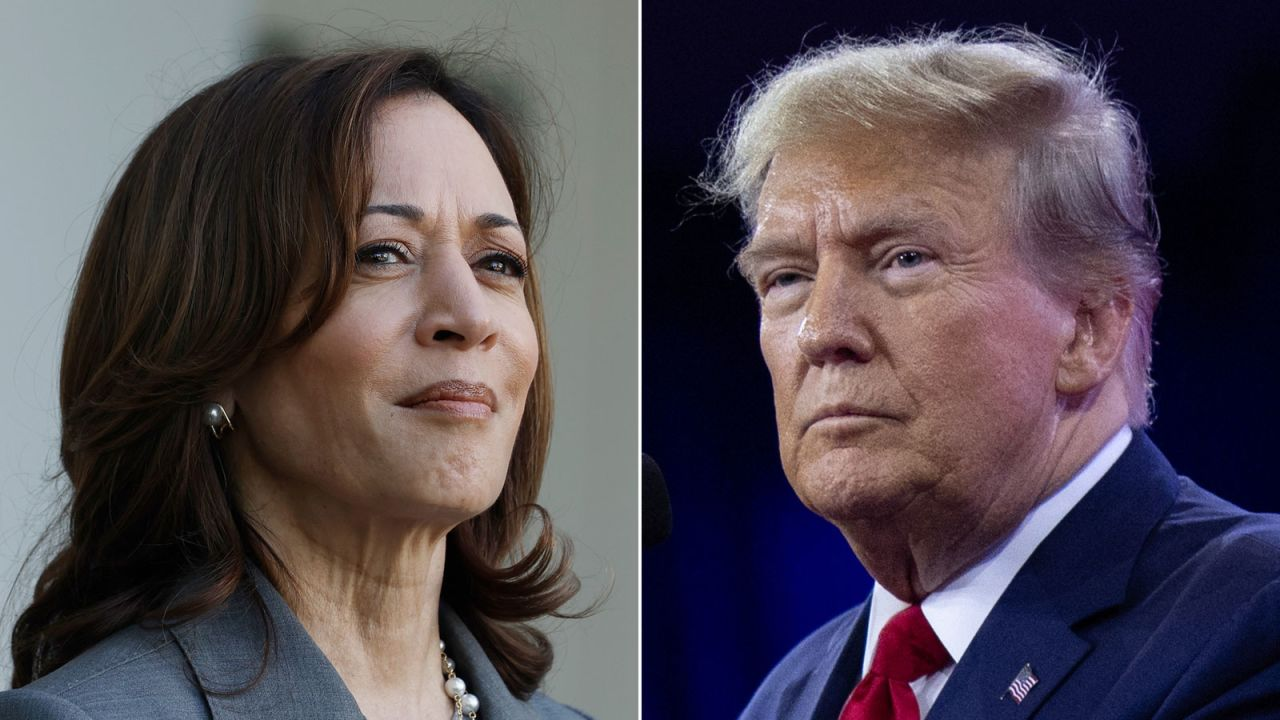
In a fiery debate, Kamala Harris, the Democratic candidate, put Republican rival Donald Trump on the defensive, targeting his qualifications, legal troubles, and stance on abortion. Harris, 59, a former prosecutor, repeatedly provoked Trump, 78, who responded with a series of falsehoods. Trump defended the size of his rallies and falsely claimed immigrants were eating pets in Ohio, to which Harris responded, “Talk about extreme.”

The debate, the only one scheduled before the election, covered immigration, foreign policy, and healthcare but was light on detailed policy discussions. Harris’ aggressive approach kept Trump off balance, leading to mixed reactions from Republicans, with some admitting Trump’s struggles. Online prediction markets showed a drop in Trump’s chances, while Harris saw a boost.

Harris challenged Trump to a second debate, but Trump, claiming victory, appeared non-committal.

Workers at Major US Tech Companies Overwhelmingly Support Kamala Harris, Data Reveals

According to data compiled by political watchdog OpenSecrets, employees at some of the largest U.S. tech companies, including Alphabet, Amazon, and Microsoft, are strongly backing Democratic presidential candidate Kamala Harris in the upcoming election. Workers at these tech giants have donated millions to Harris’ campaign, significantly outpacing the contributions made to former President Donald Trump’s campaign.

Despite the substantial support from tech employees for Harris, some of Silicon Valley’s most prominent billionaires, such as Tesla CEO Elon Musk and venture capitalists Marc Andreessen and Ben Horowitz, have thrown their weight behind Trump, praising his economic policies and business-friendly stances. The Nov. 5 election has sparked divisions in Silicon Valley, which has historically leaned Democratic. While entrepreneurs like Reid Hoffman and Mark Cuban are supporting Harris for her stance on tech policies and workers’ rights, other tech leaders have become disillusioned with Democratic policies, particularly around business regulations.

While corporations cannot donate directly to federal campaigns, employees can contribute to candidates of their choice. The data shows that Alphabet employees and their family members have contributed over $2.16 million to Harris, while Amazon and Microsoft employees have donated $1 million and $1.1 million, respectively. In contrast, Trump’s campaign has received far less support from tech workers, with Alphabet workers contributing just $57,000 to his campaign, and Amazon and Microsoft workers donating $116,000 and $88,000, respectively.

In contrast, Walmart workers have split their donations more evenly between the two candidates, with Trump’s campaign receiving slightly more support than Harris’. Analysts suggest that the difference in donations reflects the higher disposable income of tech company employees, who tend to earn more than workers in retail or other industries.

Although Meta and Apple employees haven’t yet reached the million-dollar donation mark, their contributions to Harris still dwarf those made to Trump. Meta employees have donated $835,000 to Harris and just $25,000 to Trump, while Apple workers have contributed $861,000 to Harris and $44,000 to Trump.

The data underscores Silicon Valley’s general left-leaning tendency, despite some influential figures in the tech world rallying behind the former president.