Yazılar

Shein’s First Permanent Stores in France Ignite Fierce Backlash from Retailers and Officials

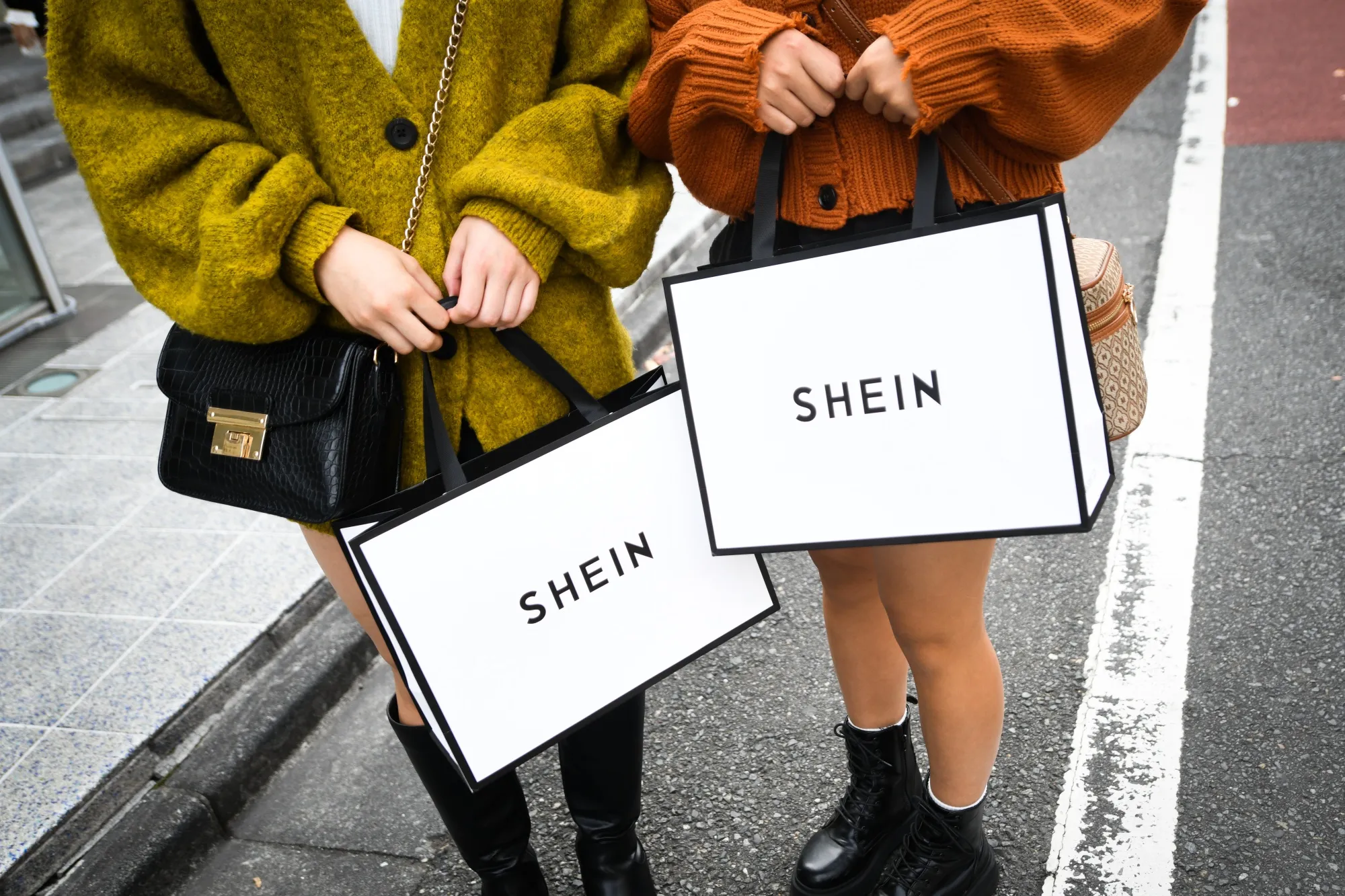
Fast-fashion giant Shein is taking its first major step into physical retail in France, announcing plans to open permanent stores this November in collaboration with Société des Grands Magasins (SGM). The rollout includes a flagship location on the sixth floor of Paris’s BHV department store and additional stores in Galeries Lafayette branches across Dijon, Grenoble, Reims, Limoges, and Angers.

Until now, Shein’s presence in physical retail was limited to short-term pop-up stores designed for marketing. The partnership with SGM, however, signals a significant strategic shift—one that has immediately triggered political and industry backlash.

Galeries Lafayette, which licenses its name to SGM through a franchise agreement, said it opposes the decision and intends to block the openings, citing Shein’s “ultra fast fashion practices” as incompatible with its brand’s values. “This decision contradicts our commitment to quality, sustainability, and responsible commerce,” the group stated.

The criticism has extended beyond retail circles. Paris Mayor Anne Hidalgo denounced the plan as incompatible with the city’s sustainability goals, warning that it undermines efforts to promote local and eco-friendly businesses. “We are extremely concerned by BHV’s decision to host the first permanent Shein store in France,” she wrote on LinkedIn, calling for support of ‘sustainable local commerce.’

Industry leaders also reacted sharply. Yann Rivoallan, president of the Fédération Française du Prêt-à-Porter Féminin, accused Shein of “destroying dozens of French brands” and warned that the new megastore would “flood the market with disposable products.” The backlash comes as French lawmakers advance a draft bill to regulate fast fashion, potentially banning Shein from advertising in France.

Shein’s model—offering €12 dresses and €20 jeans shipped directly from Chinese factories—has upended the retail landscape by exploiting customs exemptions for low-value parcels. The company claims its online-only model keeps waste minimal, but the shift to physical stores could challenge that efficiency by forcing it to maintain inventory and absorb higher operating costs.

The expansion also coincides with regulatory shifts in major markets. The U.S. is phasing out Shein’s “de minimis” duty exemption, and the European Union is preparing similar reforms. Despite these headwinds, Executive Chairman Donald Tang insists Shein remains a favorite among rural and provincial shoppers, who often have fewer options for affordable fashion.

Whether these stores succeed—or spark a broader European backlash—will test Shein’s ability to translate its digital dominance into physical retail while navigating growing political, environmental, and cultural resistance.

Alibaba Shares Surge on Nvidia Partnership and Global AI Expansion

Alibaba announced on Wednesday a sweeping set of initiatives, including a partnership with Nvidia, new global data centers, and its largest-ever AI products, underscoring its pivot to make artificial intelligence a central business priority alongside e-commerce.

The news sent Alibaba’s Hong Kong-listed shares up nearly 10% to a four-year high, while its U.S.-listed shares also rose by a similar margin in premarket trading.

“The speed of AI industry development has far exceeded our expectations, and the industry’s demand for AI infrastructure has also far exceeded our expectations,” Alibaba CEO Eddie Wu said at the company’s annual Apsara Conference. He added that spending on AI will be increased, though without specifying figures. Earlier this year, Alibaba pledged 380 billion yuan ($53 billion) for AI infrastructure investments over three years.

As part of its strategy, Alibaba will collaborate with Nvidia to enhance physical AI capabilities including data synthesis, model training, environmental simulation, and validation testing.

The company also unveiled an ambitious global data center expansion plan, announcing facilities in Brazil, France, and the Netherlands, with more to follow in Mexico, Japan, South Korea, Malaysia, and Dubai within the next year. This will add to Alibaba’s current network of 91 data centers across 29 regions. The company did not specify whether Nvidia chips would power these new facilities.

At the same event, Alibaba launched its most advanced AI language model to date, Qwen3-Max, boasting over 1 trillion parameters. According to CTO Zhou Jingren, the model demonstrates strong performance in code generation and autonomous agent capabilities, allowing the AI to act more independently toward user-defined goals compared to traditional chatbots like ChatGPT.

Benchmark tests such as Tau2-Bench reportedly show Qwen3-Max outperforming competitors including Anthropic’s Claude and DeepSeek-V3.1 in specific categories.

Additional AI products showcased included Qwen3-Omni, a multimodal system designed for immersive applications in virtual and augmented reality, with potential use cases in smart glasses and intelligent vehicle cockpits.

The announcements come shortly after Nvidia revealed a $100 billion investment deal with OpenAI, highlighting the intensifying race in AI infrastructure.

Alibaba’s cloud division, which reported 26% revenue growth last quarter, is emerging as a key growth driver as the company monetizes its AI services more aggressively.

Pattern valued at $2.4B as shares dip in Nasdaq debut

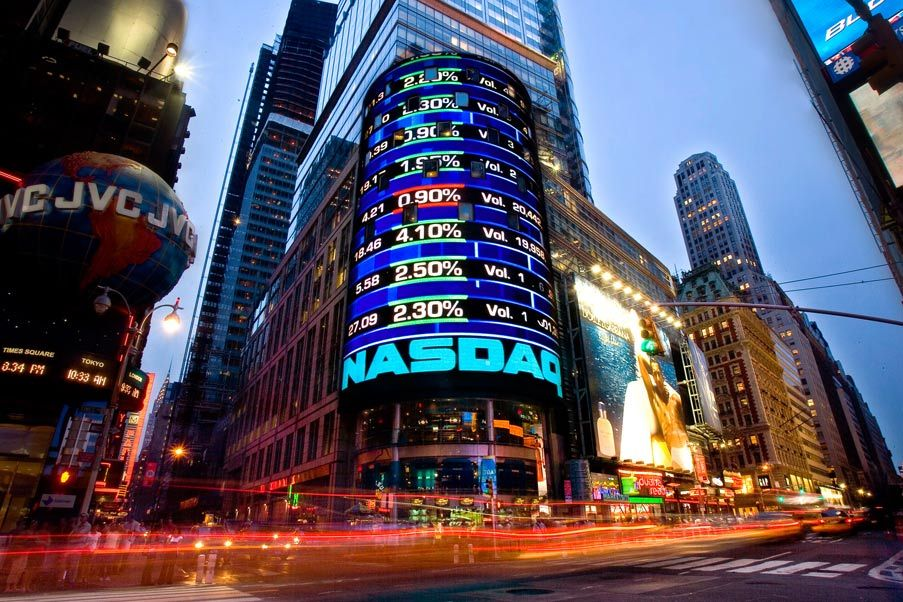
E-commerce accelerator Pattern Group made its Nasdaq debut on Friday with a valuation of $2.38 billion, though its shares slipped 3.6% in early trading, closing at $13.50 versus the $14 offer price. The performance bucks the recent trend of strong first-day rallies for tech IPOs.

Pattern and existing shareholders raised $300 million by selling 21.4 million shares, priced within the marketed range of $13–$15. The Utah-based firm joins a wave of high-profile listings—such as Klarna and blockchain lender Figure—that have helped restore investor confidence in the U.S. IPO market after months of volatility tied to trade and tariff concerns.

Founded in 2013 as iServe by David Wright and Melanie Alder, Pattern positions itself as an “e-commerce accelerator.” It buys inventory directly from brands and resells it on platforms including Amazon, Target, Walmart, and eBay, using AI-driven tools and global marketplace expertise to optimize sales.

Analysts caution, however, that Pattern’s heavy dependence on Amazon leaves it vulnerable to changes in fee structures or marketplace policies. Trade policy shifts, such as the removal of the de-minimis import exemption, could also raise costs for cross-border sellers and complicate growth strategies.

IPO experts said the mixed debut reflects a selective investor environment, where companies with strong fundamentals and clearer risk profiles are being rewarded, while others face tougher scrutiny amid persistent inflation and labor market concerns.