Yazılar

Fossilized Poop Reveals Secrets of How Dinosaurs Came to Dominate Earth

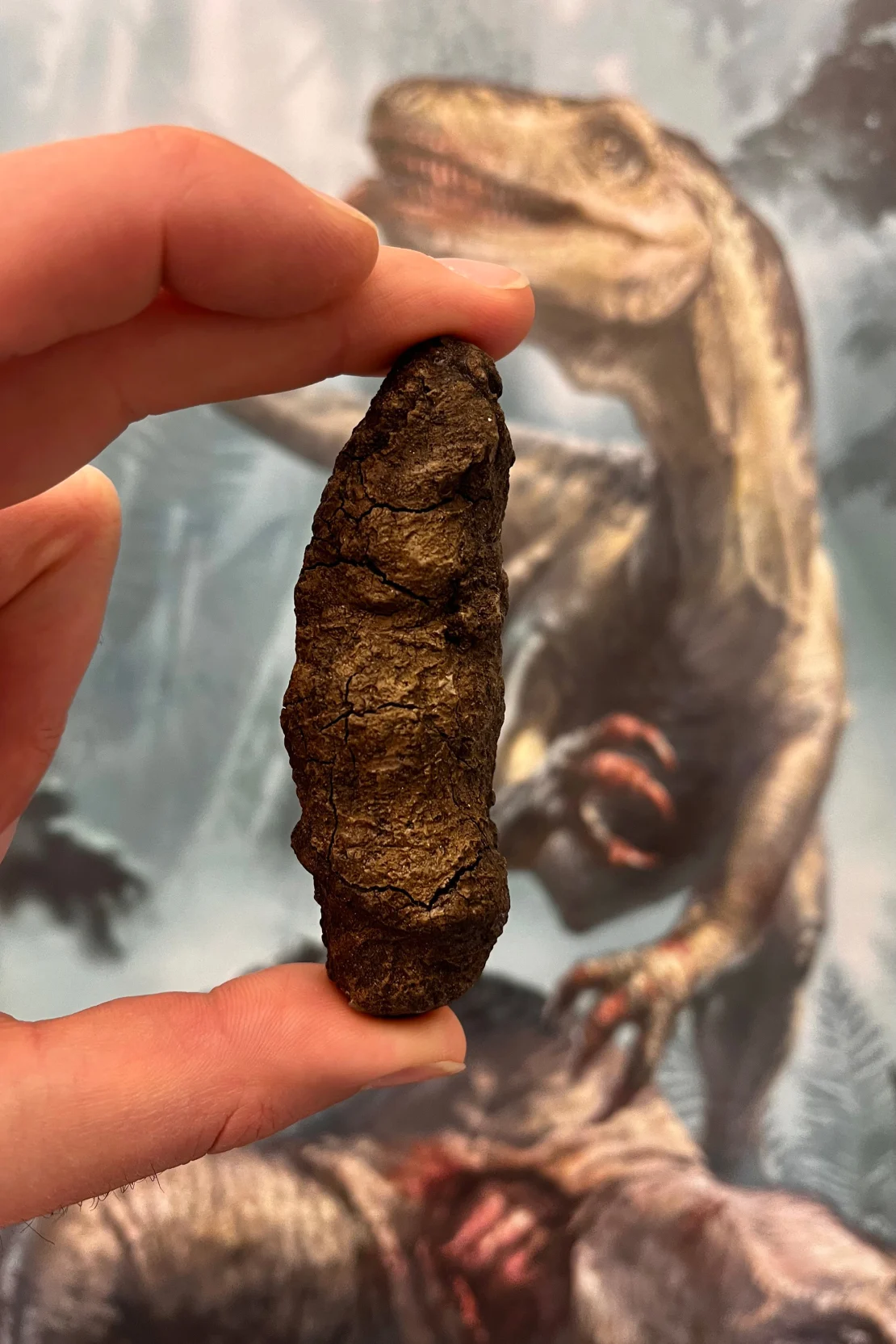
A study published in Nature on Wednesday sheds new light on the evolution of dinosaurs, revealing insights into why they came to dominate the planet. By analyzing fossilized droppings—known as coprolites—scientists discovered key factors that contributed to the rise of these ancient giants, whose ancestors were initially insignificant players on Earth’s evolutionary stage.

The research, led by Martin Qvarnström, a paleontologist at Uppsala University, focuses on over 500 coprolites collected from multiple sites in the Polish Basin, dating back 247 to 200 million years ago, covering the Late Triassic and early Jurassic periods. Qvarnström’s team discovered that the size, diversity, and contents of these fossilized remains increased over time, paralleling the emergence of larger and more varied dinosaur species.

Revelations from Ancient Poop

The analysis of coprolites and regurgitalites (fossilized vomit) provided valuable information about the diets of dinosaurs and other ancient vertebrates. Through a combination of physical inspection and high-tech 3D scanning at the European Synchrotron Radiation Facility, scientists were able to identify what the animals consumed, such as fish, plants, and other prey. This offered a window into the paleoecology of the time.

Interestingly, some coprolites showed evidence of animal remains, including tiny beetles and fish, while others contained crushed bones from predation. These fossils provided a series of “temporal snapshots” illustrating the transition from a world with few dinosaurs to one dominated by them.

The Rise of Dinosaurs

The study identifies five phases in the evolutionary history of dinosaurs. Initially, their ancestors were omnivorous, consuming both plants and animals. Over time, they evolved into both carnivorous and herbivorous forms. Key events, such as increased volcanic activity, likely spurred the growth of more diverse plant life, which in turn supported the emergence of larger herbivorous dinosaurs. This led to the rise of the giant carnivorous species that would define the Jurassic period.

Scientists argue that a combination of physical advantages and climate adaptability allowed dinosaurs to outcompete other reptilian species. The research suggests that dinosaurs’ upright posture and agile movement gave them a significant edge over rivals with less efficient body structures, while their ability to diversify their diets helped them thrive through changing environments.

What This Means Today

Qvarnström’s senior colleague, Grzegorz Niedźwiedzki, emphasized that the evolutionary success of dinosaurs boils down to a simple yet timeless message: “Eat your veggies and live longer.” This adaptability to different diets and environments was a crucial factor in their ability to thrive, offering valuable lessons about survival even today.

The study not only highlights the evolutionary advantages of dinosaurs but also underscores the importance of fossilized remnants in understanding the natural world. As researchers continue to decode the past through fossilized poop, they may uncover even more secrets that explain the rise of these ancient creatures.
Giant Meteorite Impact 3.2 Billion Years Ago Boosted Early Life on Earth

A colossal meteorite impact, roughly the size of four Mount Everests, struck Earth over 3 billion years ago, potentially serving as a “fertilizer bomb” that nourished the planet’s earliest life forms. This insight comes from new research led by Nadja Drabon, an assistant professor of Earth and planetary sciences at Harvard University, and published in the Proceedings of the National Academy of Sciences.

Impact Details

Typically, large asteroid impacts are associated with mass extinctions, such as the one that led to the demise of the dinosaurs 66 million years ago. However, the S2 meteorite, estimated to have 50 to 200 times the mass of the Chicxulub asteroid, collided with Earth 3.26 billion years ago, at a time when the planet was predominantly covered by oceans and inhabited by single-celled organisms.

Drabon notes that before the S2 impact, the oceans were “biological deserts,” lacking nutrients necessary for life. The collision led to significant geological changes, enriching the environment with essential nutrients.

Geological Exploration

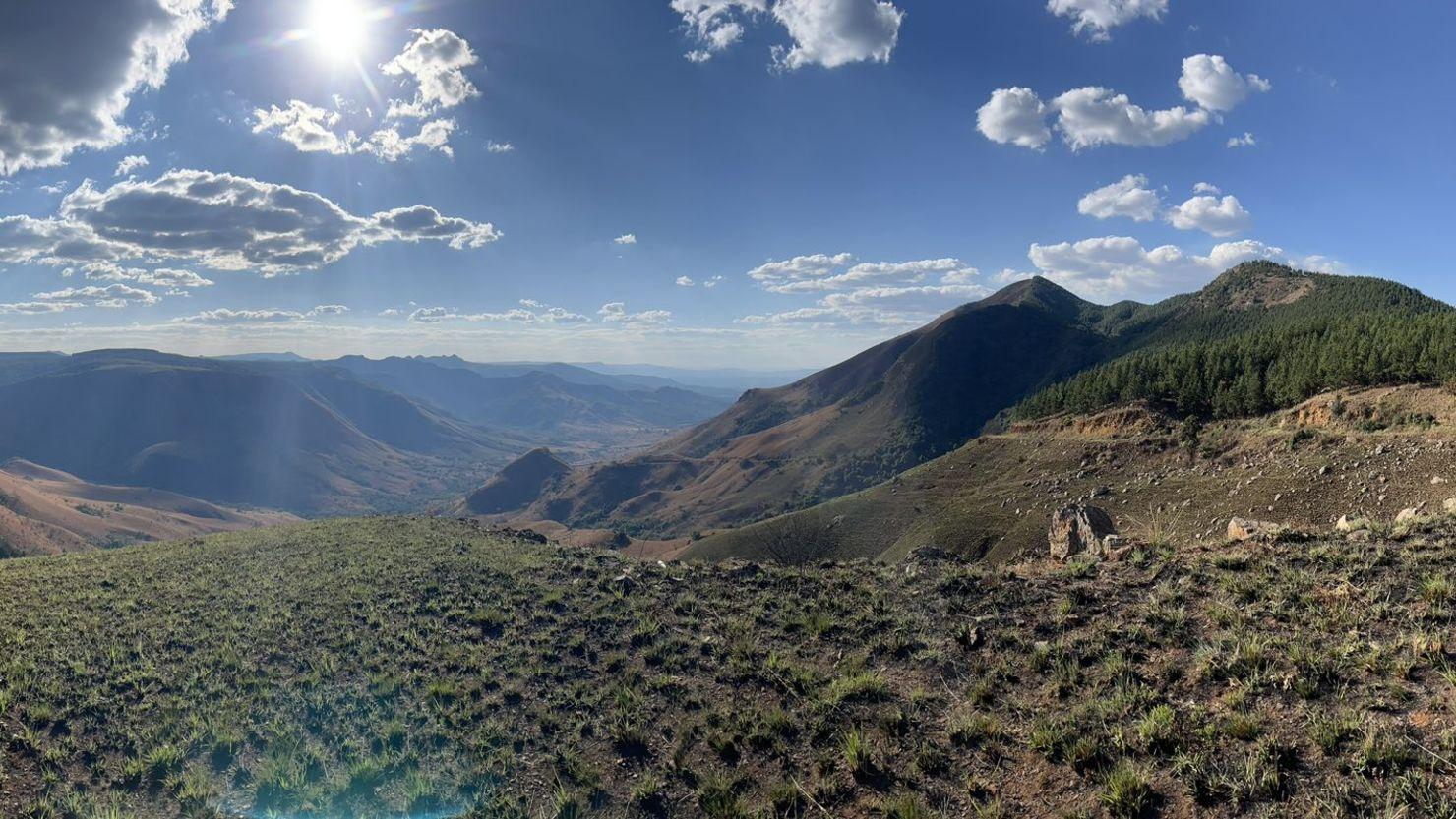
Drabon and her team studied the Barberton Makhonjwa Mountains in South Africa, a region rich in geological evidence of ancient impact events. They focused on identifying tiny impact particles known as spherules, which formed during meteorite strikes. By analyzing these spherules and the surrounding rock layers, the researchers reconstructed the environmental conditions following the S2 impact.

Drabon described the scene, stating:

“Picture yourself standing off the coast of Cape Cod, in a shelf of shallow water… then all of a sudden, you have a giant tsunami sweeping by and ripping up the seafloor.”

Tsunami and Nutrient Enrichment

The S2 meteorite, measuring between 23 and 36 miles (37 and 58 kilometers) in diameter, unleashed waves of destruction that included a massive tsunami. The heat from the impact caused the upper layer of the ocean to boil, evaporating water and forming salts. The darkened skies, filled with dust from the impact, disrupted photosynthesis in marine microorganisms, temporarily hindering life on the surface.

However, the deep ocean benefited from this upheaval. The tsunami stirred up iron and other nutrients, while erosion released phosphorus from the meteorite. This surge of nutrients was crucial for the survival and proliferation of single-celled organisms that thrived in the post-impact environment.

Drabon noted:

“The impact released essential nutrients, such as phosphorus, on a global scale. A student aptly called this impact a ‘fertilizer bomb.’”

Comparison with Chicxulub Impact

While both the S2 and Chicxulub impacts caused significant disruptions to life, their effects varied due to the size of the impacting bodies and the stage of Earth’s development at the time. The Chicxulub impact released sulfur into the atmosphere, leading to a dramatic drop in surface temperatures and a longer recovery period for marine life. In contrast, the S2 impact created conditions that allowed life to bounce back more rapidly, as the oceans filled back in and dust settled.

Drabon explained:

“Life during the time of the S2 impact was much simpler… you might eliminate 99.9% of bacteria, but by evening, they have returned.”

Future Research Directions

The findings from the Barberton Makhonjwa Mountains are opening new avenues for understanding Earth’s history of impacts and their role in the evolution of life. Ben Weiss, a professor of Earth and planetary sciences at MIT, emphasized the significance of these observations, stating that they provide insights into the global effects of ancient impacts.

Drabon and her team aim to explore how common such environmental changes and biological responses were after other ancient impacts, analyzing how both positive and negative effects shaped the early stages of life on Earth.

Conclusion

The S2 meteorite’s impact, rather than being solely catastrophic, may have played a pivotal role in nurturing early life by enriching the oceans with vital nutrients. This research enhances our understanding of the complex interactions between extraterrestrial events and the evolution of life on our planet.