Yazılar

China’s Birth Rate Crisis: Limited Incentives Amid Growing Challenges

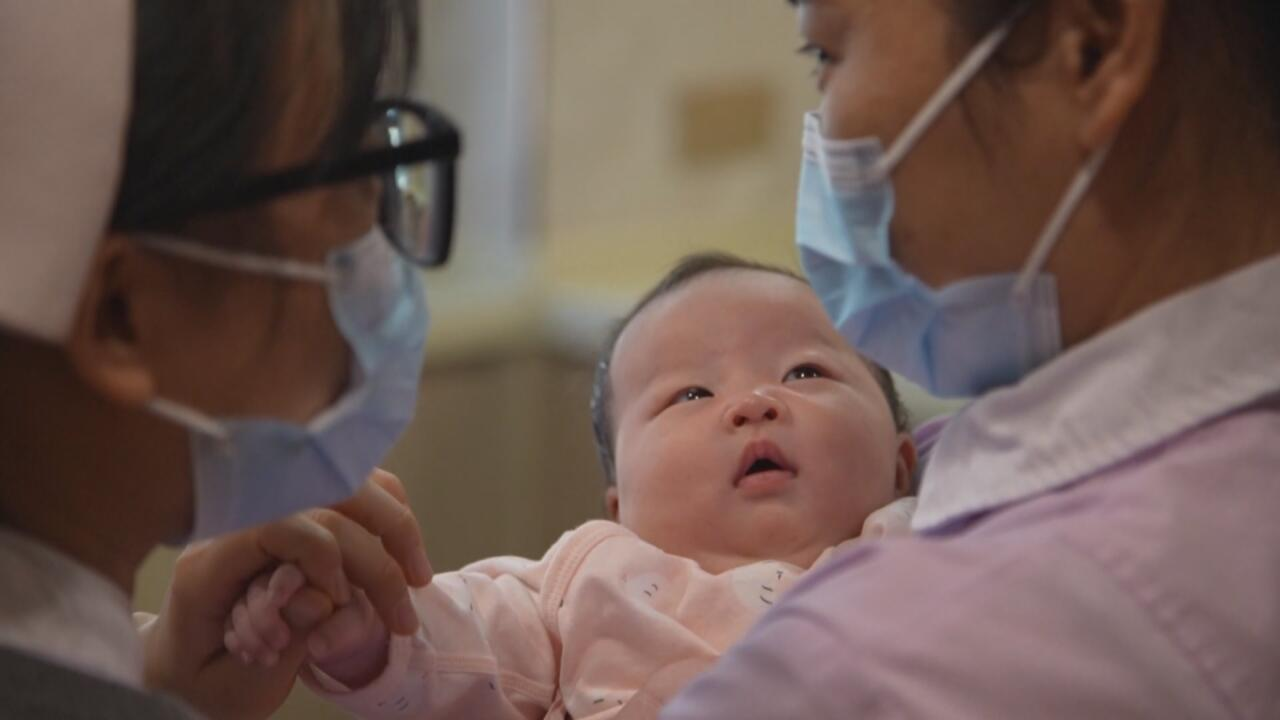
China’s recent initiatives to increase birth rates have done little to address the underlying causes of the country’s declining birth rates, according to analysts. Despite lifting the one-child policy nearly a decade ago, birth rates remain at historic lows. In 2022, China recorded only 9.02 million births, a record low, and new marriage registrations fell by 25% year-on-year in the third quarter, setting a trajectory for the lowest figures since 1979.

China’s pro-natal policies thus far focus on easing family planning but have yet to spark the desired “birth spurt.” Lauren Johnston, associate professor at the University of Sydney, explains that these policies are designed more to “support families” rather than boost birth rates significantly. Some recent measures include extending maternity leave from 98 to 158 days and offering subsidies for families with children under age 3. However, Johnston points out that these policies mark “a small step in a long-run agenda.”

The influence of China’s former one-child policy still lingers, shaping young people’s attitudes toward family planning and limiting birth rates. Harry Murphy Cruise, economist at Moody’s Analytics, highlights a “mental hangover” from the policy that has reshaped family expectations. Combined with economic uncertainty and a slowed job market, many young adults feel hesitant to start families. China’s youth unemployment rate reached a record high of 18.8% in August, indicating the financial pressures that further dissuade young couples from having children.

China’s total fertility rate in 2022 stood at 1.2 births per woman, far below the U.S. rate of 1.7. Forecasts from the United Nations predict that by 2100, China could see its population halve, marking the steepest demographic decline globally. The nation’s share of world births is expected to decrease to 3% by 2100 from 8% in 2021, according to Austin Schumacher of the University of Washington. Even with innovations in pro-natal policies, Schumacher suggests such measures may not significantly reverse this trend.

Income stability and the affordability of raising children are major concerns. China’s economy has slowed in recent years, compounded by an ongoing real estate slump and regulatory crackdowns on various sectors that have weakened job growth for young workers. Economist Sheana Yue from Oxford Economics argues that meaningful measures to boost incomes and reduce household costs would significantly influence family planning decisions. Efforts by Chinese health authorities to encourage employers to support extended maternity leave are also underway, yet more comprehensive policies may be needed to inspire real confidence.

Urbanization adds another layer to the problem. About 65% of China’s population lives in cities, a notable increase from 19% in 1980. For many in China’s urban centers, long work hours and a high cost of living discourage marriage and childbearing, weakening the impact of any current incentives. Darren Tay, head of APAC country risk at BMI, notes that urban lifestyles and “hectic work schedules” often reduce the likelihood of starting families, even with incentives in place.

China’s approach to pro-natal policies has faced criticism for lack of meaningful incentives. For instance, there have been reports of local social workers calling women to inquire about their pregnancy status, potentially infringing on privacy. The government has also tasked local authorities with setting up public childcare centers and relaxing housing loan limits for larger families. Yet, as Tianchen Xu from the Economic Intelligence Unit points out, the success of these policies varies greatly, dependent on the financial capacity and commitment of each local authority.

Looking forward, Nomura economists predict that China may announce significant investments of up to 500 billion yuan ($70 billion) annually to encourage births during a parliamentary session in March. However, analysts argue that to reverse the trend, stronger, more direct financial incentives—especially subsidies and housing benefits—are essential. Without significant changes, China’s demographic crisis could deepen, impacting its future workforce and economic growth.
 

Japan’s PM Ishiba Survives Parliamentary Vote Amid Domestic and International Challenges

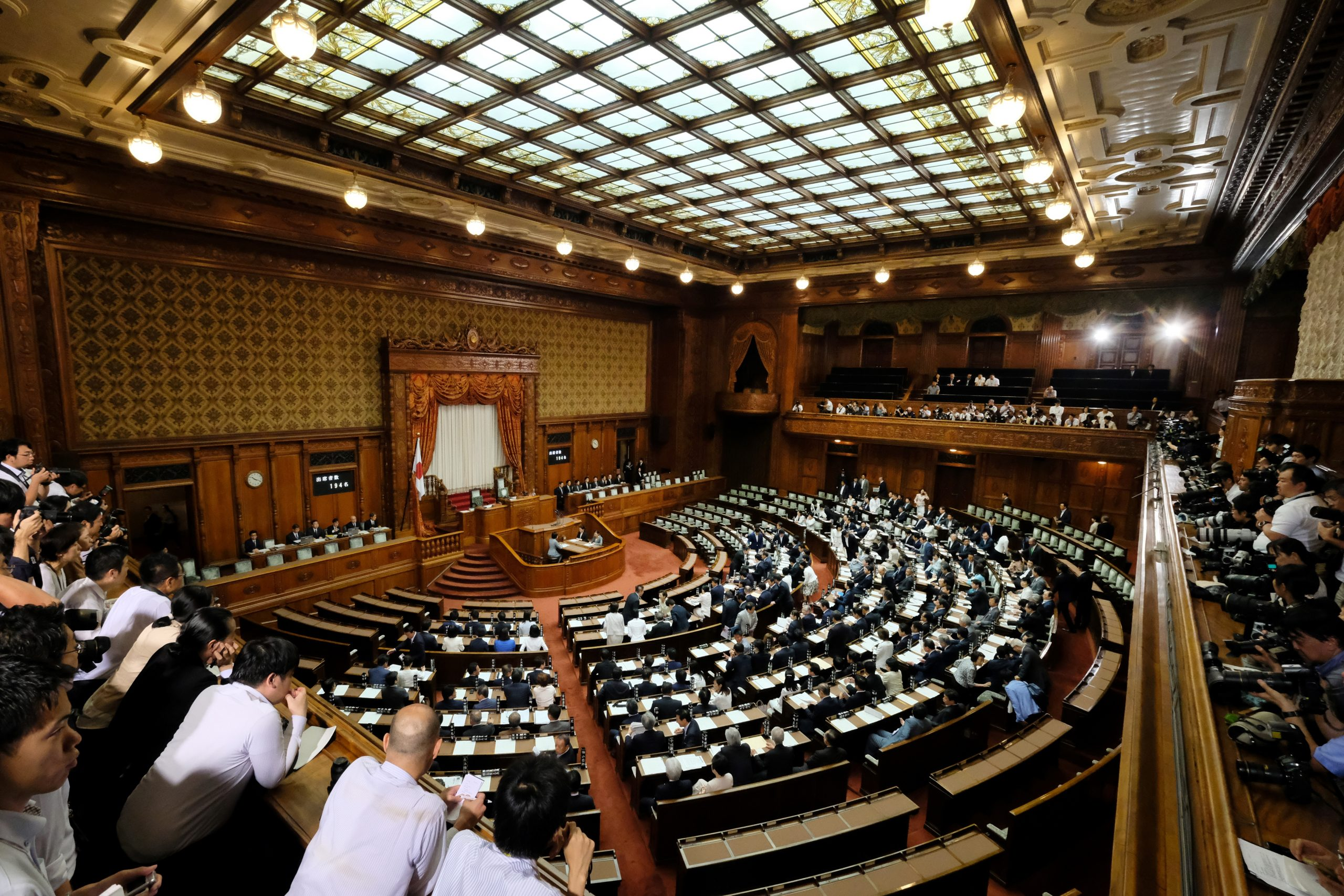
Japanese Prime Minister Shigeru Ishiba retained his leadership after a close parliamentary vote on Monday, following the loss of his coalition’s majority in a recent lower house election. Ishiba, who assumed office on October 1, now faces the challenge of steering a minority government amid mounting international and domestic pressures. These pressures are heightened by the recent re-election of Donald Trump in the United States, rising regional tensions with China and North Korea, and calls within Japan to address inflation and reduce the cost of living.

Ishiba’s coalition, consisting of the Liberal Democratic Party (LDP) and its partner Komeito, holds the largest bloc of seats in the lower house. However, losing their majority has left the coalition dependent on smaller opposition parties to pass legislation. Monday’s leadership vote underscored this vulnerability; it required a runoff—the first of its kind in three decades—after no candidate achieved a majority in the initial round. Ultimately, Ishiba prevailed with 221 votes, defeating former Prime Minister Yoshihiko Noda, leader of the Constitutional Democratic Party, though still falling short of a majority in the 465-seat chamber.

In the coming months, Ishiba faces key tests, including an upper house election next year where the coalition’s narrow majority could be jeopardized. Public trust in his leadership has been weakened by a recent scandal involving unrecorded donations to lawmakers. His immediate priority will be to prepare a supplementary budget for the current fiscal year, with a focus on social welfare and measures to mitigate rising prices. Gaining opposition support will be essential for budget approval, with the Democratic Party for the People (DPP), led by Yuichiro Tamaki, seen as the most likely ally. Although Tamaki has engaged in talks with Ishiba, DPP members abstained from voting for his continuation as prime minister last week. Tamaki’s political standing also faces scrutiny due to a recent personal scandal.

Looking outward, Ishiba’s diplomatic agenda includes a G20 summit in Brazil on November 18-19, where he plans to address Japan’s position in a shifting global economy. Ishiba is also arranging a meeting with U.S. President-elect Donald Trump during the trip, hoping to revive the cooperative Japan-U.S. relationship that marked Trump’s previous term, facilitated by close ties with former Japanese Prime Minister Shinzo Abe. Japanese officials remain cautious, however, as Trump’s return could bring renewed pressure on Japan to increase payments for hosting U.S. military bases and avoid potential trade restrictions.

As Ishiba seeks to balance these internal and external challenges, his leadership will likely depend on securing cross-party alliances at home and stabilizing Japan’s strategic ties abroad.


Elon Musk Endorses Plan for Presidential Influence Over Federal Reserve Following Trump’s Election Win

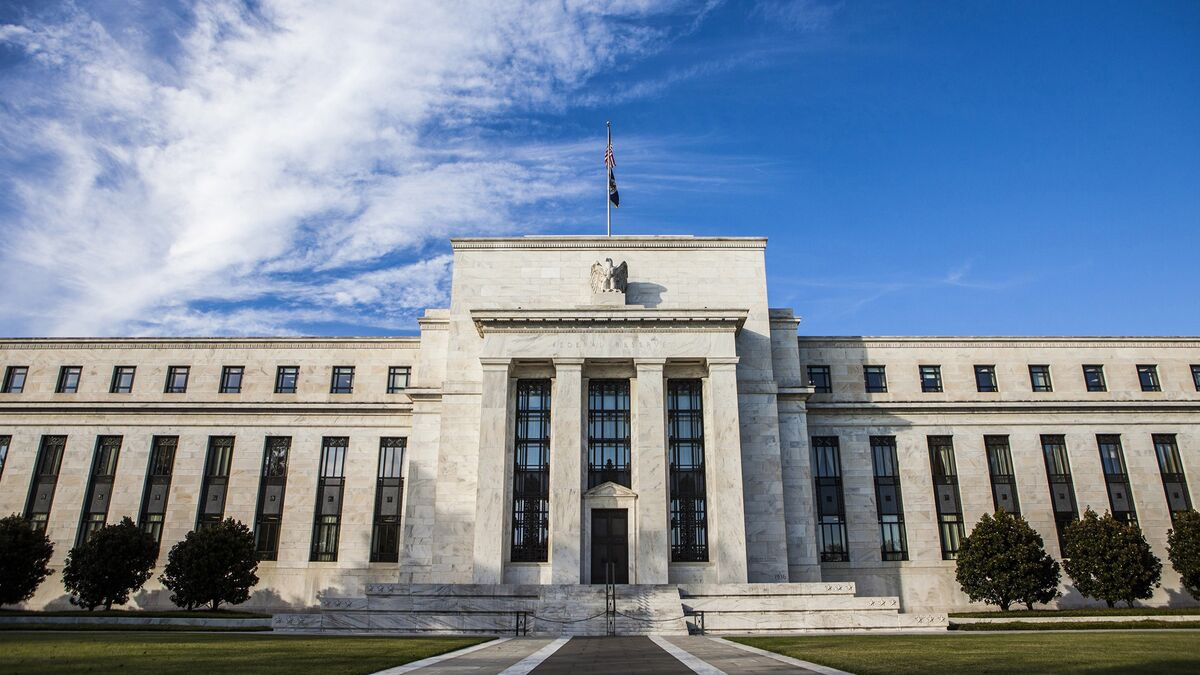
Elon Musk, CEO of Tesla and SpaceX, has publicly supported the notion of allowing presidents to influence the Federal Reserve’s policy decisions, following Donald Trump’s recent presidential election victory. Musk’s endorsement came on Friday in response to a social media post by Republican Senator Mike Lee of Utah, who proposed the Fed should be under the president’s control and used the hashtag “#EndtheFed.” Musk replied to the post with a “100” emoji, signaling his agreement.

The exchange highlights a renewed interest in challenging the Federal Reserve’s traditional independence. This move aligns with Trump’s past stance on the issue; during his first presidential term, he openly criticized Fed Chair Jerome Powell and suggested that the president should have a voice in the central bank’s monetary policies. Trump, who frequently expressed frustration with Fed decisions, argued he had “better instincts” regarding economic policy than some Federal Reserve officials, given his business success.

Federal Reserve independence is a principle established to enable monetary policy decisions, like setting interest rates, based on economic projections rather than political motivations. This separation is intended to promote economic stability, shielding the central bank from political cycles. Nevertheless, Trump has repeatedly voiced his preference for executive influence over the Fed, particularly during his 2024 campaign, asserting in August that presidential input would benefit the economy.

On Thursday, in the wake of Trump’s election victory, Powell emphasized his commitment to maintaining Fed independence, stating he would not step down if asked by the president. Powell’s stance suggests that the Trump administration’s potential pressure on the Fed could reignite tensions over the independence of U.S. monetary policy.