Yazılar

Former Siemens CEO Reflects on Positive Business Ties with Trump, Prepares for Potential Challenges

Joe Kaeser, chairman of the supervisory board of Siemens Energy and former CEO of Siemens, described his experience working with Donald Trump during his first presidential term as notably positive for business. In an interview with CNBC’s Annette Weisbach, Kaeser stated that Trump’s administration was “extremely receptive” to addressing business issues, creating a clear path for corporate interaction.

“If I personally, for my company at the time, had an issue to resolve, his administration was extremely receptive,” Kaeser noted. He highlighted that Trump’s policies, particularly tax cuts, were favorable for the economy. Trump’s first term included a range of tax reforms such as lower federal income tax brackets, increased standard deductions, and modifications to child tax credits, estate tax exemptions, and deductions for pass-through businesses. While some studies indicated that these tax cuts only contributed moderately to U.S. growth, Kaeser viewed the policies as broadly beneficial.

Trump’s second presidency is anticipated to follow a similar economic agenda, with priorities such as potential tariffs on imports and regulatory rollbacks. Analysts speculate that these policies could again have a significant global impact, potentially influencing international trade and markets. Kaeser reflected on Trump’s first term as predictable, describing it as “a relatively easy way of understanding what needs to be done for the companies and the countries.”

Despite the positive experiences from Trump’s first term, Kaeser remains cautious about the next term, noting that the unified Republican control across the White House, Senate, House of Representatives, and Supreme Court could have new and unpredictable effects. “I believe the jury’s out on what that means,” he said.

Kaeser emphasized the need for Germany, Europe, and other nations to be prepared for Trump’s assertive leadership style. “Typically, people like him, who have a very distinct style of leadership and reacting to different news, can only be dealt with from a position of strength,” he said. He suggested that weaker positions could face challenges under Trump’s administration.


Key Concerns for Global Markets in a Tight U.S. Election Race

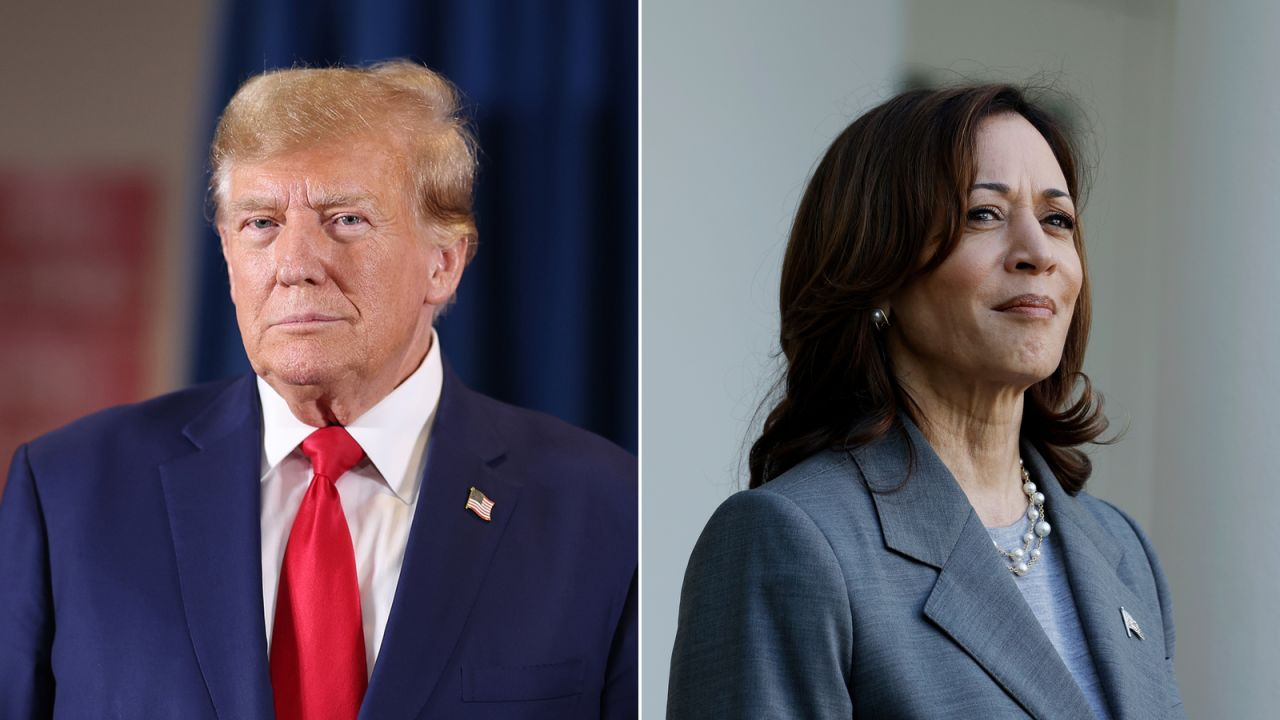
As the U.S. presidential election between Vice President Kamala Harris and former President Donald Trump approaches, global markets are closely watching the outcome. This election is poised to have significant impacts across regions and sectors, influencing trade, currencies, equities, and emerging markets. Below are some of the most important considerations for global markets:

1. European Markets and Trade Relations

A Trump victory could reignite trade tensions, particularly affecting European markets. German automakers like BMW and luxury goods manufacturers such as LVMH may face a challenging outlook if Trump imposes his proposed 10-20% tariffs on imports to the U.S. Barclays has warned that such tariffs could lead to a “high single-digit” percentage drop in European earnings, posing risks to export-heavy sectors.

On the other hand, a Harris win would be relatively more favorable for European equities, especially in sectors like renewable energy. Companies with significant U.S. projects, such as Orsted and Iberdrola, could see benefits from the U.S. push toward cleaner energy. However, Harris’ proposed corporate tax hike, from 21% to 28%, could impact profit margins for both American and European firms with U.S. exposure.

2. Impact on the War in Ukraine

The U.S. election outcome could have broad geopolitical implications, particularly regarding support for Ukraine in its war against Russia. Trump and some Republican lawmakers have voiced skepticism over continued U.S. funding for Ukraine, which could disrupt aid to the country. In contrast, the Democratic side, led by Harris, is likely to maintain or increase support for Ukraine. Aerospace and defense stocks, which have risen over 80% since the onset of the war in 2022, could be particularly sensitive to this issue.

3. Currency Market Movements

Currency markets are bracing for potential swings depending on the election result. Under a Trump presidency, higher tariffs would likely weigh down the euro, with the EUR/USD exchange rate potentially falling to $1.05. A Harris victory, by contrast, could push the euro above $1.15 as markets anticipate fewer disruptions to global trade.

Additionally, currencies tied to trade with China, such as the Australian and New Zealand dollars, could suffer under a Trump victory due to heightened tariffs. Sweden’s and Norway’s currencies may also be vulnerable to global trade disruptions, while the Canadian dollar might face headwinds if a Harris win leads to expectations of slower U.S. economic growth.

4. China and Global Trade Dynamics

China is a significant player in the global economy, and the U.S.-China relationship is central to world trade dynamics. A Trump win could lead to an escalation of trade wars, which would likely cause U.S. investors to further retreat from Chinese assets. Tariffs and sanctions on Chinese companies could be severe, with estimates suggesting a 60% tariff under Trump could cause Chinese stocks to drop by 13%.

Conversely, Harris is expected to take a more measured approach, with targeted tariffs rather than sweeping economic policies. If Beijing anticipates new U.S. tariffs, it may respond with increased state spending to counterbalance trade losses, potentially providing short-term relief to the Chinese economy.

5. Emerging Markets Under Pressure

Emerging market (EM) equities have been underperforming developed markets for much of the past decade, but they are now showing signs of recovery. Falling U.S. interest rates and easing inflation have created an environment conducive to EM growth. However, a Trump victory, accompanied by the resurgence of global tariffs, could suppress this optimism.

Mexico, given its strong trade ties with the U.S., stands to lose the most under Trump. The Mexican peso, already sensitive to U.S. election news, could face further pressure if Trump reintroduces aggressive trade policies. JPMorgan and UBS have cautioned against taking large positions in EM assets until the election risk passes, with UBS warning of potential 11% losses in EM equities by 2025 if Trump’s tariffs materialize.

Conclusion

The upcoming U.S. presidential election is pivotal for world markets, with the outcome likely to shape global trade, currency markets, and investor sentiment in significant ways. European markets may brace for renewed trade tensions under Trump, while a Harris victory would offer a steadier, more progressive path for global commerce. China remains at the heart of the U.S. trade conflict, with risks on both sides, and emerging markets, particularly those heavily reliant on trade with the U.S., face an uncertain future.


Harris Matches Trump’s Proposal to Eliminate Taxes on Tips at Las Vegas Rally

In a move that aligns with former President Donald Trump’s earlier proposal, Vice President Kamala Harris announced her plan to eliminate taxes on tips in the service and hospitality sectors if she wins the presidency. This announcement came during a rally in Las Vegas, a critical battleground state where the hospitality industry plays a significant role in the economy.

Addressing a crowd of over 12,000 supporters, Harris emphasized her commitment to working families, stating, “When I am president, we will continue our fight for working families of America; including to raise the minimum wage, and eliminate taxes on tips for service and hospitality workers.” Her proposal aims to provide financial relief to workers in these sectors, who make up a substantial portion of Nevada’s workforce.

This announcement followed the endorsement of Harris by the Culinary Workers Union, a powerful labor group in Nevada. The timing of this endorsement and Harris’s proposal highlights her strategic focus on appealing to Nevada voters, particularly those employed in the state’s vast hospitality industry.

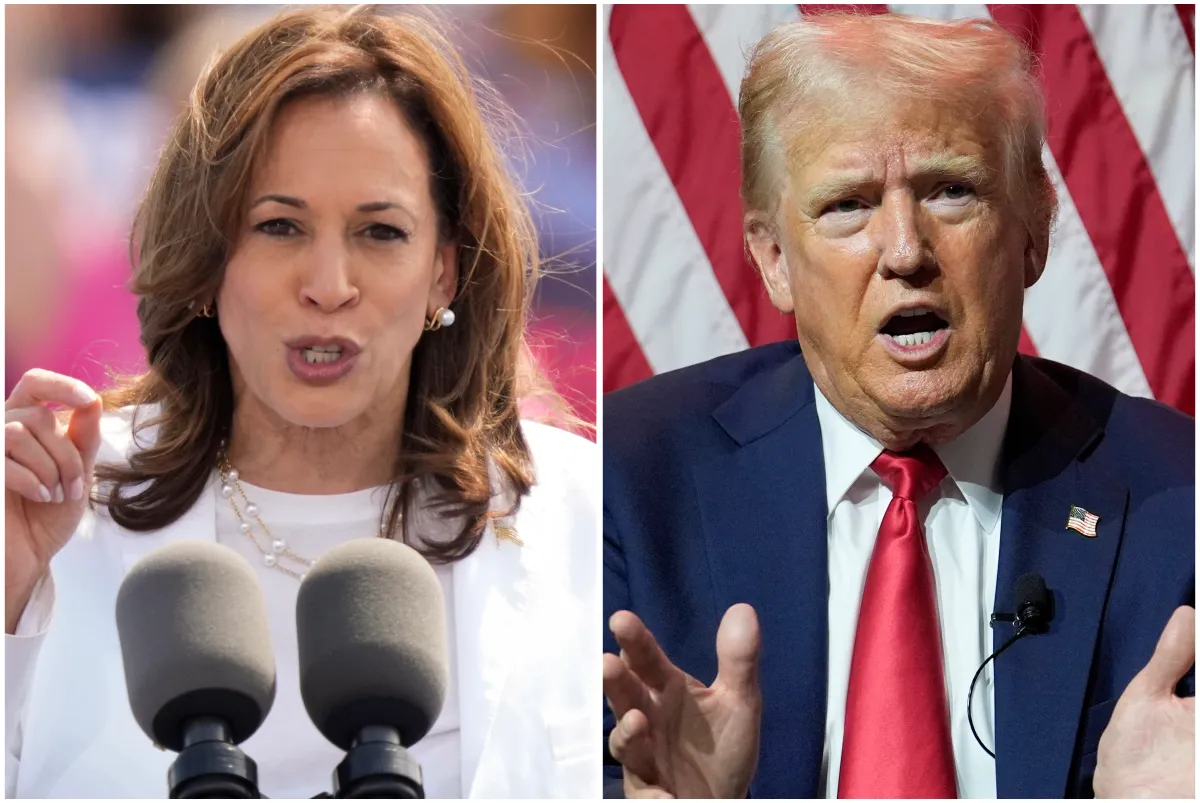
However, Harris’s proposal has drawn criticism for mirroring Trump’s earlier pledge to remove taxes on tips, which he announced at his own Las Vegas rally in June. Trump quickly took to social media to claim credit, accusing Harris of copying his idea. “Harris has no imagination, whatsoever, as shown by the fact that she played ‘COPYCAT’ with, NO TAXES ON TIPS!” Trump posted on Truth Social.

While both candidates champion the idea of tax-free tips, implementing such a policy would require new legislation and congressional approval. A Harris campaign official acknowledged this, adding that her administration would work with Congress to design a policy with income limits and safeguards to prevent abuse by higher-income individuals.

Critics of the proposal, including the nonpartisan Committee for a Responsible Federal Budget, argue that eliminating taxes on tips could lead to a significant loss in federal revenue, estimated to be between $150 billion and $250 billion over the next decade. Additionally, some economists question the effectiveness of this policy in alleviating the tax burden on low-income workers.

Ernie Tedeschi, economics director at Yale University’s Budget Lab, pointed out that only a small segment of low-income workers are in tipped jobs, and many of these workers are already exempt from paying income tax due to their low earnings. Tedeschi also expressed concerns about the potential for creating disparities among low-income jobs and the possibility of employers encouraging tipping over wage increases.

The debate over this proposal underscores the complexities of tax policy and its impact on workers. As both Harris and Trump vie for support in key states like Nevada, the conversation around tax-free tips is likely to continue to be a focal point in their campaigns.