Yazılar

Pro-Trump PAC Funded by Elon Musk Faces Struggles in Battleground States Ahead of Election

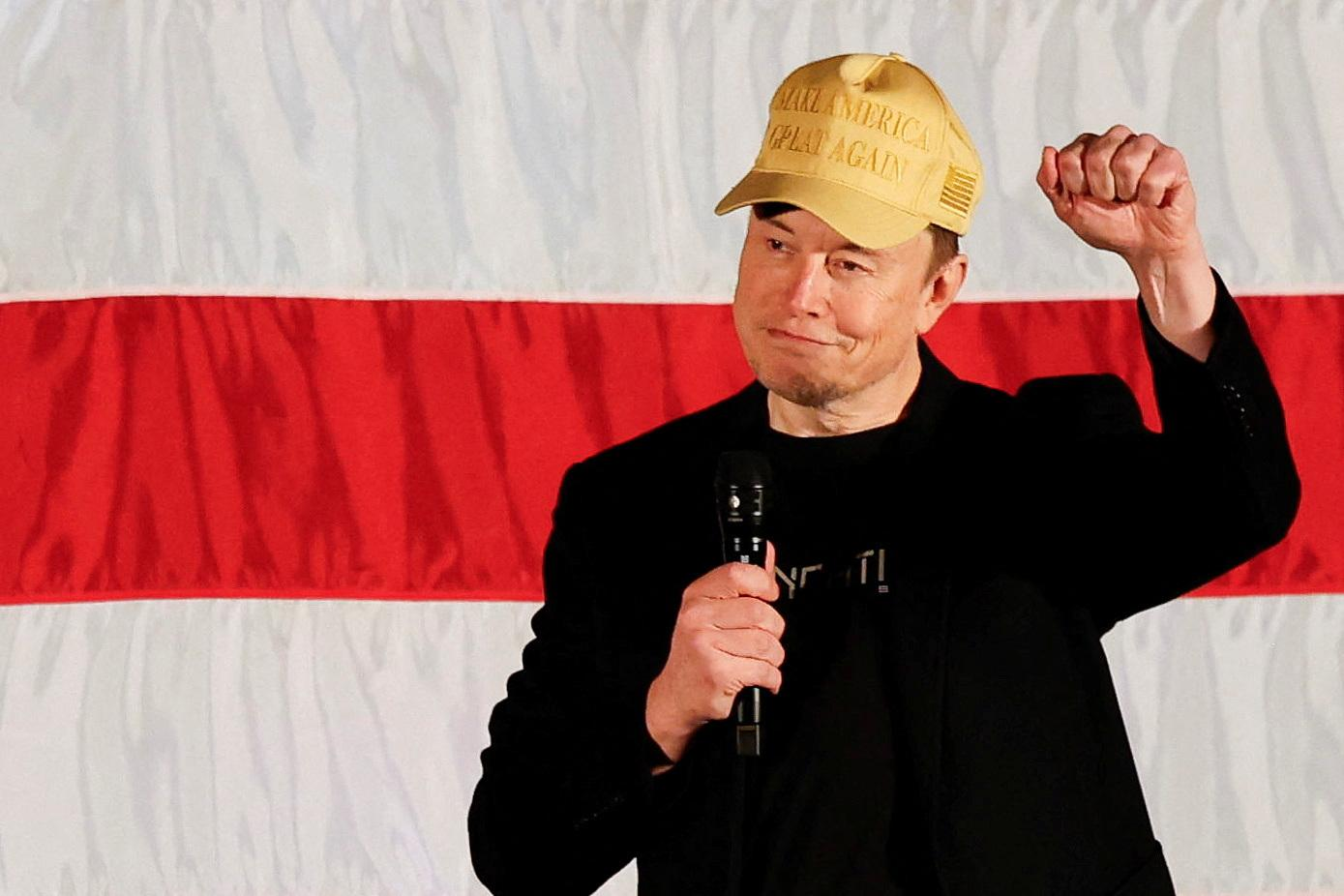
The political action committee (PAC) funded by billionaire Elon Musk to help re-elect Donald Trump is facing significant challenges in key swing states, with reports of underperformance and claims of canvassers inflating voter contact numbers. The PAC, known as America PAC, is responsible for mobilizing voters in battleground states like Wisconsin and Nevada but is reportedly failing to meet its doorknocking goals, just weeks before the November 5 election.

Several individuals involved in the outreach efforts revealed that canvassers are being warned they are missing crucial voter contact targets. In Wisconsin, for instance, the group had set a goal of reaching 450,000 voters by Election Day, but field organizers recently admitted they are far behind. A recording of an October 8 meeting, reviewed by Reuters, captures a manager stating, “We’re not going to hit 450,000, not with what we’ve got now.”

Alysia McMillan, a former canvasser for the PAC in Wisconsin, voiced concerns that failing to meet these targets could cost Trump the election. McMillan, who was fired after a pay dispute but later rehired by another contractor, claimed, “If this isn’t looked into in a timely manner, this can result in a waste of time and money and risk President Trump winning the election.”

Similar issues have surfaced in other states. In Nevada, Chris Young, a close aide to Musk and a Republican operative, reportedly conducted an audit to investigate whether canvassers had inflated their reported doorknocking efforts. There are concerns that some workers had manipulated smartphone apps to falsify their locations, prompting firings.

Despite these challenges, a source close to the PAC’s operations disputed McMillan’s claims, stating that the group is on track to meet its targets. Audits and routine field checks are standard practice, they said, to ensure the canvassing efforts are progressing as planned.

America PAC’s outreach strategy centers on encouraging “low propensity voters”—those who are likely Trump supporters but may be reluctant to cast their votes—to turn out in large numbers. The group’s work is focused on key battleground states where even a slight shift in voter turnout could determine the outcome in a race that remains too close to call, with polls showing a tight contest between Trump and Democratic candidate Kamala Harris.

Musk, currently ranked as the world’s wealthiest individual, has provided at least $75 million to America PAC, according to federal filings. His financial backing is critical to Trump’s 2024 bid to return to the White House. Musk has publicly expressed his support for Trump, and Trump has indicated that he would appoint Musk to lead a government efficiency commission if re-elected.

However, the campaign has been plagued by operational issues, particularly with retaining canvassers. Some canvassers have complained about low pay—starting as low as $20 per hour in some instances—and long hours, often with no reimbursement for travel expenses in remote areas. As a result, retention has been a persistent problem.

In Nevada, the audit led by Young has not yet yielded a public report, and it is unclear if any changes have been made to the canvassing operation. Text messages from managers at Lone Mountain Strategies, one of the contractors hired by the PAC, revealed concerns over canvassers caught cheating by falsifying their doorknocking efforts. “We’ve fired two people today and auditors are going around checking doors for flyers,” one message read.

As Election Day draws nearer, America PAC has ramped up its efforts to recruit more canvassers, advertising pay rates starting at $30 per hour with performance bonuses on its website.
 

Trump Campaigns in Deep Blue States, Eyes Fundraising and Media Attention

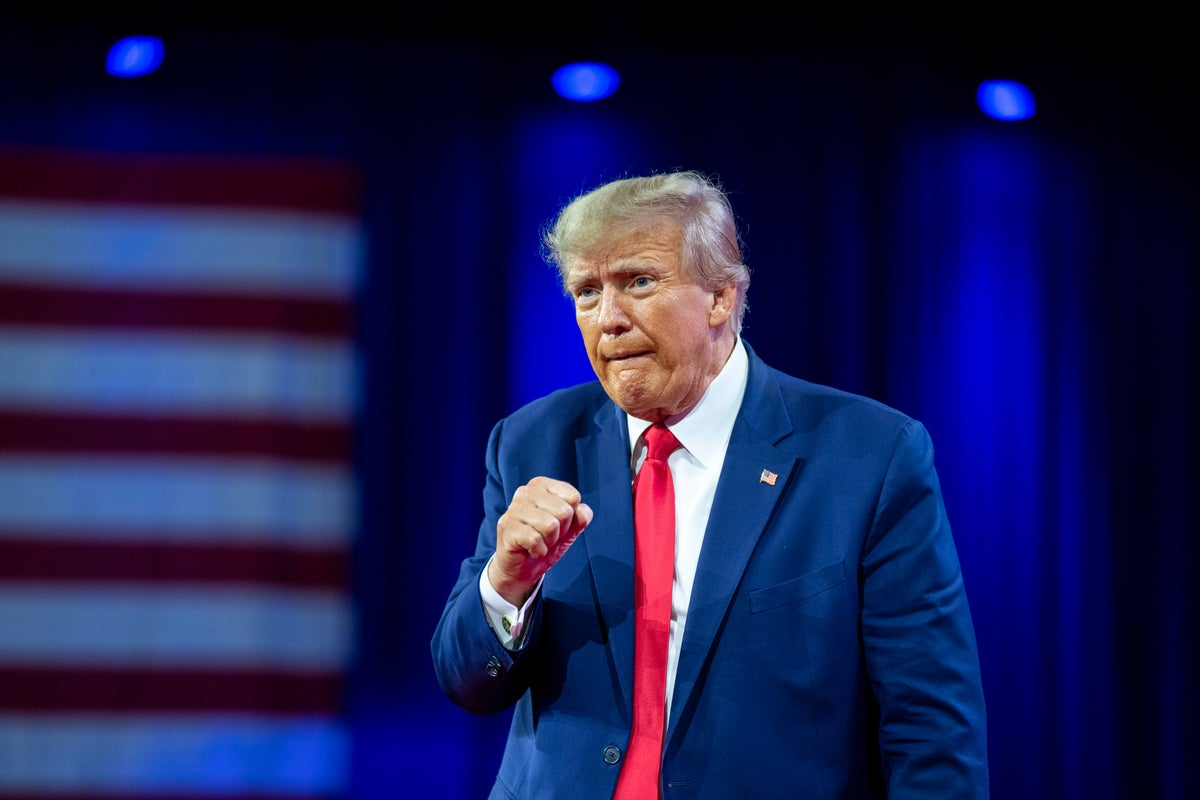
Former President Donald Trump is making unexpected campaign stops in solidly Democratic states as the 2024 election approaches, with rallies planned in California’s Coachella Valley and New York’s Madison Square Garden. While these states are unlikely to sway in his favor, Trump’s team sees potential in rallying Republican voters and boosting fundraising efforts.

Challenging Conventional Campaign Strategy

Trump’s pivot to blue states highlights a strategy that diverges from the traditional focus on swing states. Despite losing California by a significant margin in the 2020 election, he recently claimed to have more support than Vice President Kamala Harris in the state, asserting on a local radio show, “If they had an honest election in California, I think I’d win it in a landslide.”

Republicans acknowledge that winning these states outright is improbable, but they see value in mobilizing local Republican bases, particularly in light of the states’ vast populations, which house a significant number of GOP donors. Trump emphasized this sentiment, stating, “We have a lot of support in California, and I felt I owed it to them,” during a recent interview.

Highlighting Democratic Failures

The rallies provide Trump a platform to criticize the leadership of Democratic officials, such as Harris, who previously held prominent roles in California politics. Trump’s communications director, Steven Cheung, expressed that the Coachella rally aims to expose Harris’ “failing record” and showcase Trump’s proposed solutions.

The former president’s appearances in blue states are designed not only to galvanize local support but also to generate media coverage, which his campaign believes is crucial for maintaining momentum as the election nears. According to a senior Trump adviser, “The location of his rallies matters less in this nationalized media environment. The bigger the rally, the more attention it will get.”

Opposition from Local Officials

Trump’s Coachella rally was met with criticism from local officials, including Coachella Mayor Steven Hernandez, who denounced Trump’s record on issues such as immigration and LGBTQ rights, stating that his views do not represent the values of the community. Hernandez remarked, “We don’t know why Trump is visiting near Coachella, but we know he wasn’t invited by the people who live here.”

Despite this, Trump remains undeterred, believing that large crowds at his rallies signify broad national support. His strategy includes questioning the legitimacy of election outcomes if Harris wins, as he maintains a narrative of being “too big to rig.”

Upcoming Blue State Events

In addition to his Coachella rally, Trump plans to visit Illinois for an event co-sponsored by Bloomberg News and the Economic Club of Chicago, and will make a highly publicized stop at Madison Square Garden on October 27. These events are part of a broader effort to engage voters who may feel disconnected from traditional political processes.

Trump’s team has also employed unconventional campaign tactics, such as appearances on popular podcasts and streaming platforms to reach younger and less engaged demographics. Harris has adopted a similar approach, making her own appearances on various media outlets.

Criticism and Skepticism

While Trump expresses confidence in his chances in blue states, Democratic leaders remain skeptical. Colorado Senator Michael Bennet dismissed Trump’s claims, asserting that there is “no way he’s going to win the state of Colorado” and labeling his campaign efforts there as a “complete waste of his time.”

However, Trump’s strategy appears focused on leveraging issues like crime and immigration, where he believes he can resonate with voters dissatisfied with Democratic governance. During his recent rally in Colorado, he suggested extreme measures, such as expedited deportation of undocumented gang members and the death penalty for those who commit violent crimes against citizens.

Conclusion

As Trump continues his campaign through Democratic strongholds, his rallies aim to energize his base, capitalize on media attention, and critique the policies of his opponents. While the effectiveness of this strategy remains to be seen, it underscores a calculated effort to redefine engagement in the lead-up to the 2024 election.

Trump Refuses Further Debates with Kamala Harris Before Election

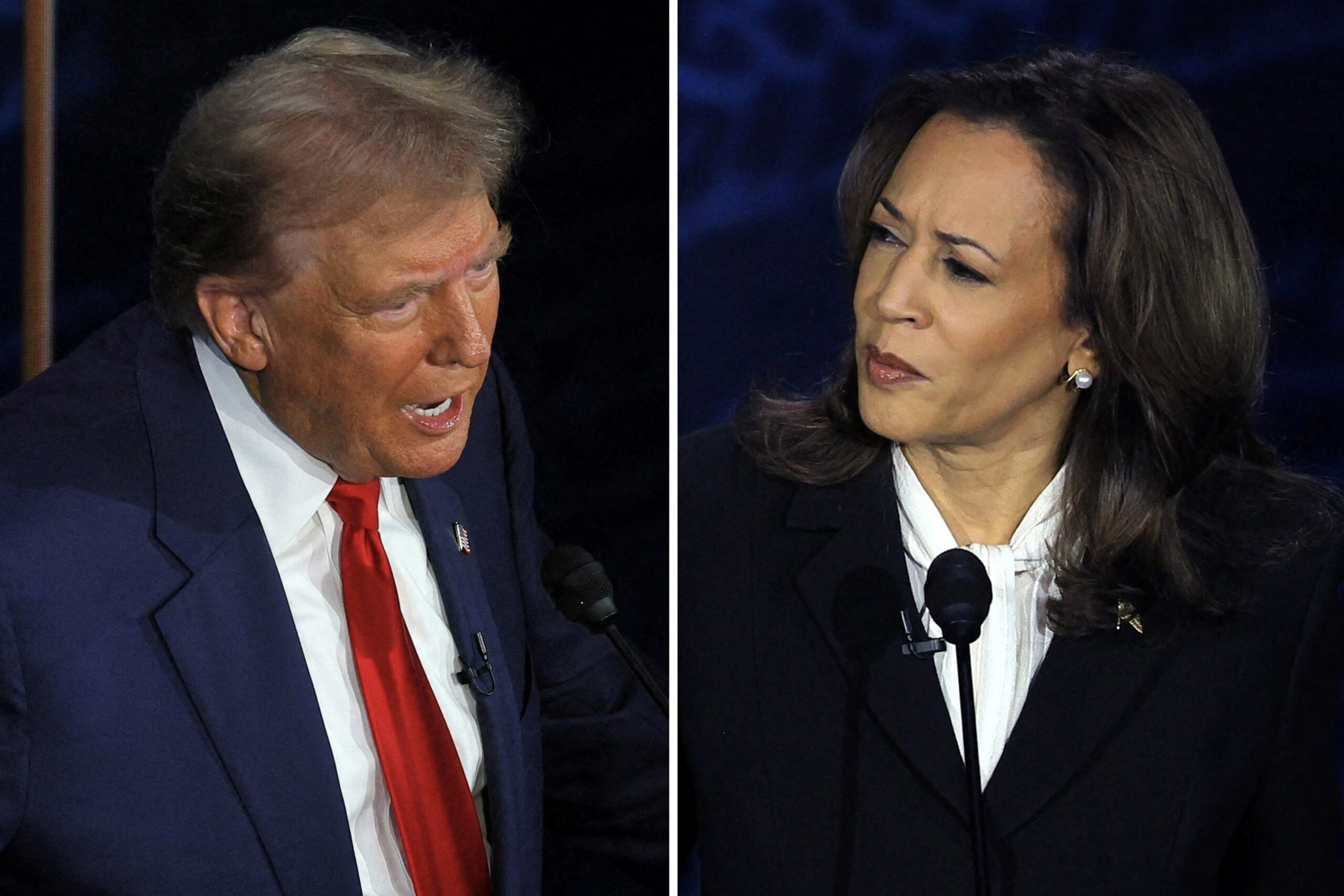
On Thursday, Republican presidential nominee Donald Trump announced he would not engage in any further debates against Democratic Vice President Kamala Harris ahead of the upcoming November 5 election. Trump’s declaration comes after recent polls suggested that Harris performed better than him in their debate earlier in the week.

Posting on Truth Social, Trump said, “THERE WILL BE NO THIRD DEBATE!” Despite this, he previously participated in a debate against President Joe Biden in June and squared off with Harris on Tuesday. Trump continues to claim victory over Harris in their debate, but multiple sources indicate otherwise.

Mixed Reactions and Polling Data

Several key Republican donors and Trump advisers told Reuters that they believed Harris had outperformed Trump. The consensus was that Trump had struggled to stay on message, contributing to Harris’s perceived success.

The debate, watched by 67.1 million viewers, drew significant public attention. However, polls reveal contrasting opinions about who won. A Reuters/Ipsos poll showed 53% of respondents thought Harris performed better, compared to 24% who believed Trump came out on top. Similarly, CNN’s flash poll reported that a majority of viewers favored Harris’s performance, while YouGov’s poll indicated that 54% believed Harris won, with 31% backing Trump.

Calls for More Debates

In a rally shortly after Trump’s post, Kamala Harris responded, stating: “I believe we owe it to the voters to have another debate.” Despite her push, public opinion appears divided. According to the Reuters/Ipsos poll, 54% of registered voters felt that one debate was sufficient, while 46% wished for more.

With election day approaching, Trump’s decision to opt out of further debates may shape the final days of his campaign strategy.