Yazılar

Trump and Harris Compete for Black Voters in Georgia’s 2024 Battleground

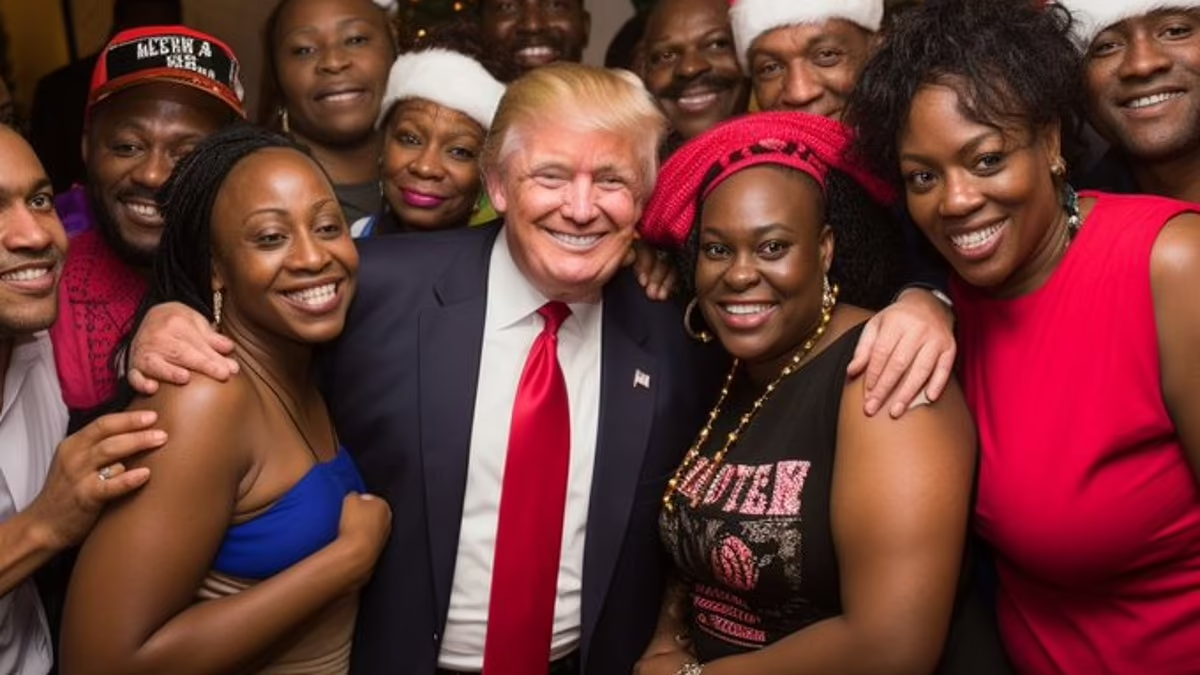
In the heated race for the 2024 U.S. presidential election, former President Donald Trump and Vice President Kamala Harris are in a fierce battle for Black voters in Georgia, a key battleground state. Vivian Childs, a Black Baptist minister and ardent Trump supporter, is rallying Republicans in Valdosta, Georgia, encouraging them to focus on Trump’s economic policies, stance on illegal immigration, and approach to inflation as part of their pitch to Black voters. Childs emphasizes the need for unity and insists that Trump’s policies benefit all Americans, irrespective of race.

Georgia has emerged as a must-win state for Trump, particularly after Harris entered the race as the Democratic candidate in July. Her nomination energized voters, creating a significant shift in the state’s political landscape. Polls now show a tight race, with Trump and Harris virtually tied in Georgia, a dramatic change from earlier polls that had Trump leading President Joe Biden by six percentage points before Harris joined the race.

The competition for Black voters in Georgia is especially fierce, as they constitute about a third of the state’s population, the highest proportion among the battleground states. Despite traditional loyalty to the Democratic Party, Trump is making inroads among Black voters, particularly young Black men who feel disillusioned with the Democrats due to economic challenges. While Trump’s past racist remarks and Republican-supported voting restrictions have complicated his appeal to Black voters, his campaign is actively courting this demographic with promises of economic opportunities and addressing issues like inflation and immigration.
Picture background

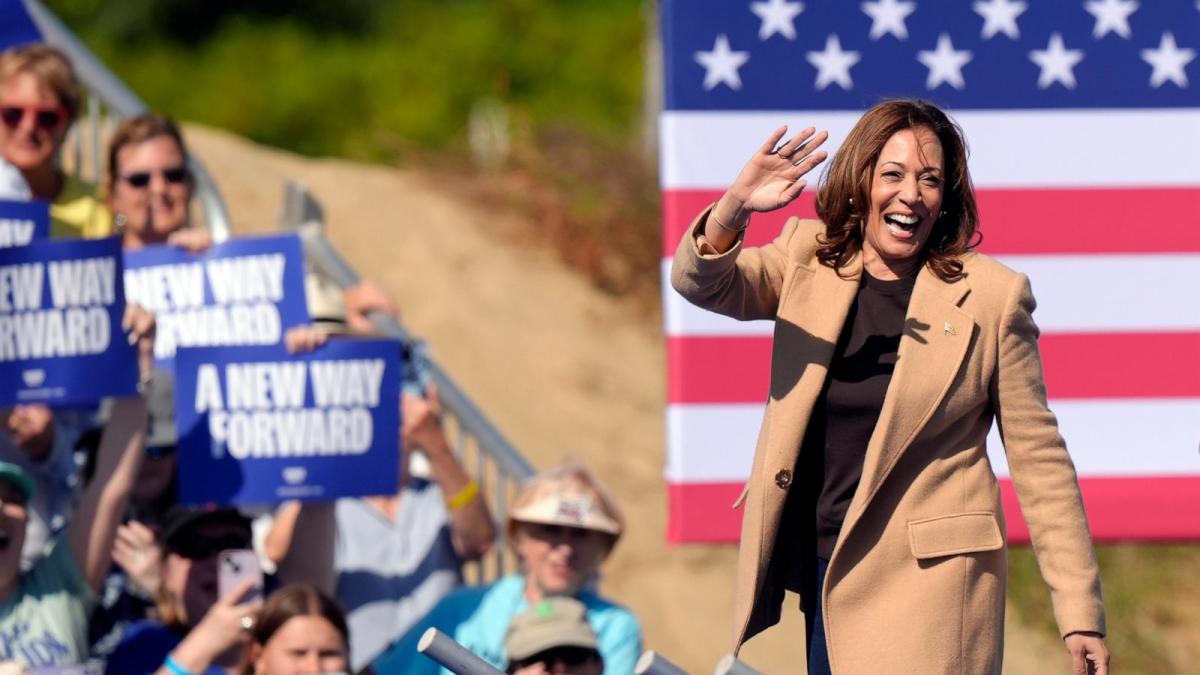
Meanwhile, Harris’ campaign is focusing on lowering drug prices, increasing taxes on large corporations and the wealthy to fund housing, and offering tax breaks for working parents. The Harris campaign has also been reaching out to Black voters in Georgia from the outset, aiming to protect freedoms and ensure economic progress for families.

The stakes are high for both candidates. Trump is striving to improve his performance among Black voters, having secured about 11% of the Black vote in Georgia during the 2020 election. A higher share of Black support could secure his victory in the state, relieving pressure to win other critical battleground states. However, Trump’s comments questioning Harris’ racial identity have sparked controversy, potentially alienating some voters.

Georgia’s political landscape has been transforming in recent years, particularly in areas like Cobb County, which has shifted from being a predominantly white, Republican stronghold to a more diverse, competitive region. Both campaigns are working tirelessly to secure votes through grassroots efforts, events, and advertising.

For Republicans, the message revolves around economic opportunities, faith, and conservative values, while Democrats are focusing on issues like student loan forgiveness, affordable healthcare, and support for historically Black colleges and universities. The battle for Black voters in Georgia has become one of the most critical aspects of the 2024 election, with both sides pouring significant resources into the state in hopes of tipping the balance in their favor.

As the race intensifies, Black voters in Georgia find themselves at the center of a political tug-of-war that could decide the outcome of the election.

Right-Wing Social Media Stars Unwittingly Amplified Russian Propaganda, Says DOJ

Some of the most popular right-wing social media personalities were unknowingly involved in a Russian operation to influence the 2024 U.S. election, according to the Department of Justice (DOJ). The DOJ revealed that nearly $10 million had been funneled from Russian state media producers to a Tennessee-based media company known as Tenet Media, which features several high-profile conservative commentators.

These influencers, including figures like Tim Pool, Benny Johnson, Lauren Southern, Tayler Hansen, Matt Christiansen, and Dave Rubin, boast millions of followers on platforms like YouTube. Although none were accused of wrongdoing, they were unwittingly paid by Russian sources to promote content that aligned with the Kremlin’s goals. The DOJ indictment noted that the content pushed by these influencers included criticism of U.S. support for Ukraine, among other divisive topics.

One particularly alarming instance involved Russian state media requesting that Tenet’s founders direct an influencer to blame Ukraine for a terrorist attack in Moscow. These revelations showcase the vulnerabilities of the new media landscape, where creators can be influenced without knowing the source of their funding. Some of the influencers have since acknowledged their involvement and are cooperating with authorities as potential victims of the scheme.

Trump’s Loyalty-Driven Purge and Its Impact on the Republican Party

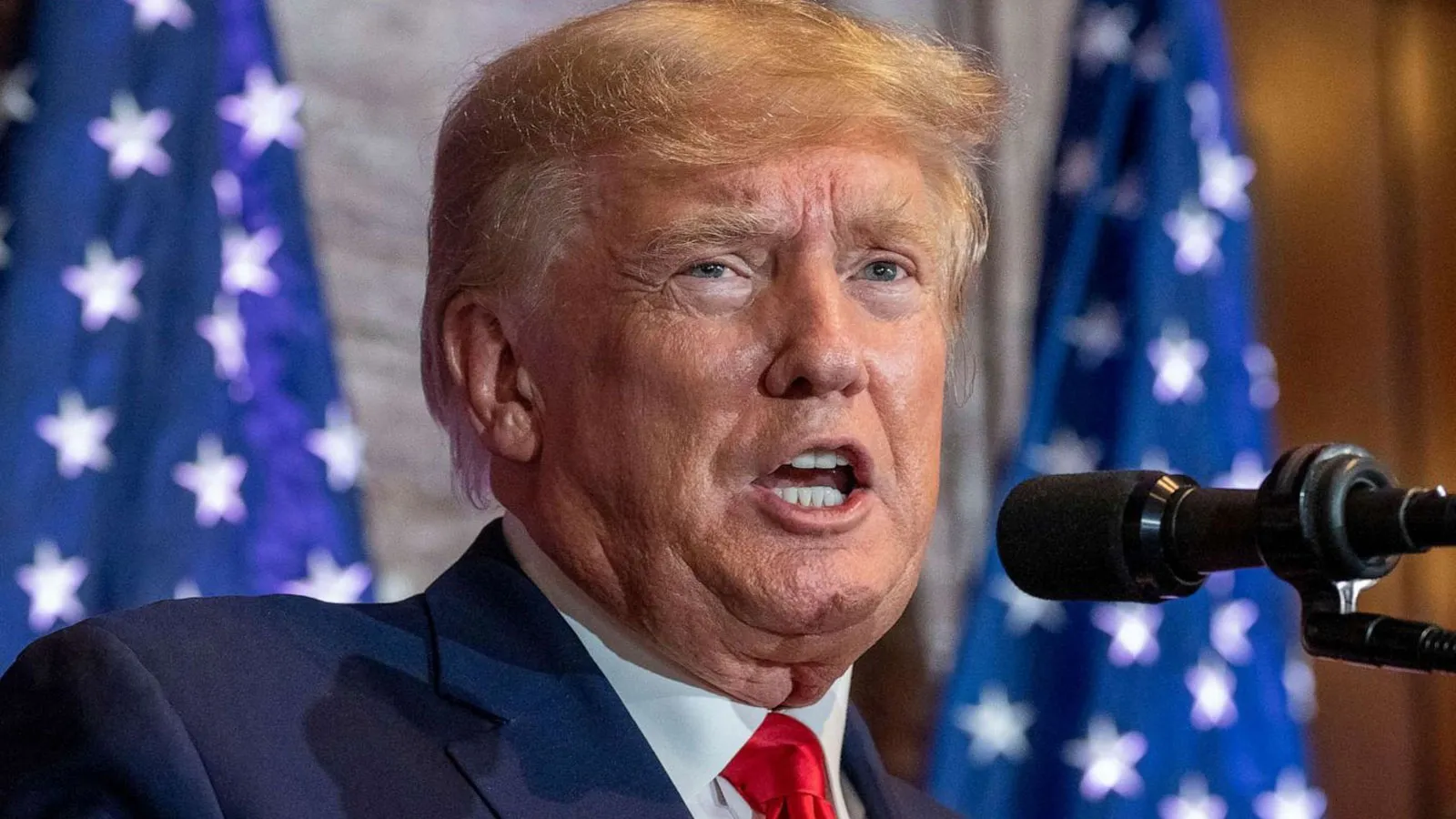
As Donald Trump approaches the final phase of his presidential campaign, his focus on loyalty has dramatically reshaped the Republican Party, pushing out those deemed disloyal and reinforcing his influence across the party. This loyalty-first approach was starkly evident in the case of Congressman Tom Rice, who faced severe backlash, including death threats, after voting to impeach Trump following the January 2021 Capitol riot. Rice’s political downfall in South Carolina’s primary election, fueled by Trump’s public denunciation and support for his opponent, illustrates how Trump has redefined party loyalty. Once a prominent conservative figure, Rice now finds himself alienated by former allies, reflecting a broader trend within the Republican Party, where adherence to Trump’s agenda has become a litmus test for survival.

Picture background

Trump’s tactics extend beyond high-profile figures like Rice, permeating every level of the Republican Party, from local officials to Congress members and presidential rivals. His insistence on loyalty has led to the expulsion or marginalization of those who do not align with his “Make America Great Again” platform. The former president’s influence has reconfigured the party, creating an environment where defiance is met with severe consequences, effectively transforming the GOP into a party that prioritizes allegiance to Trump over traditional conservative values.

However, this strategy carries risks. While it consolidates Trump’s power within the party, it could alienate critical voters, particularly in a close race where broader appeal might be necessary for victory. Trump’s approach, characterized by intimidation and demands for unwavering loyalty, has undoubtedly reshaped the Republican Party, but it remains to be seen whether this transformation will help or hinder his chances in the upcoming election. As the Republican Party continues to evolve under Trump’s influence, the long-term implications of this loyalty-driven purge will likely play a significant role in shaping the party’s future direction.