Yazılar

Lilly Pill Reduces Genetic Cholesterol by Nearly 86% in Trial

Lilly’s Breakthrough in Cholesterol Treatment

Eli Lilly’s experimental oral medication, muvalaplin, has shown significant promise in treating an inherited form of high cholesterol, specifically targeting lipoprotein(a), or Lp(a). Data from a mid-stage trial, presented at the American Heart Association meeting in Chicago, revealed that the highest dose of muvalaplin reduced Lp(a) levels by 70% using traditional tests and nearly 86% with a more specialized testing method.

Lp(a) is a major risk factor for cardiovascular diseases such as heart attacks and strokes, affecting approximately one in five people globally. Unlike LDL cholesterol, which can be managed with statins, Lp(a) currently has no approved treatments, and many people are unaware they have elevated levels.


Study Details and Results

The trial involved 233 adults with high Lp(a) levels, comparing three daily doses of muvalaplin (10 mg, 60 mg, and 240 mg) with a placebo. Using a traditional blood test, the drug reduced Lp(a) by 40.4%, 70.0%, and 68.9% for each dose, respectively. With the more precise test, reductions were 47.6%, 81.7%, and 85.8%.


Future Prospects and Safety

While muvalaplin showed significant efficacy in reducing Lp(a), adverse events in the treatment and placebo groups were similar, suggesting a favorable safety profile. Ruth Gimeno, Lilly’s VP for diabetes and metabolic research, expressed excitement about advancing the drug to late-stage trials. However, large-scale studies are still required to confirm if lowering Lp(a) can directly reduce cardiovascular events such as heart attacks.


Competitors in the Field

Lilly faces competition from other companies developing Lp(a) treatments, such as Silence Therapeutics, which reported successful results from its injectable drug zerlasiran. Zerlasiran, delivered every 16 to 24 weeks, reduced Lp(a) by up to 85%. Other injectable options in development include drugs from Amgen and Novartis.

Medicaid Dominates U.S. Coverage for Novo Nordisk and Eli Lilly Weight-Loss Drugs

Government Programs Drive Access to GLP-1 Drugs

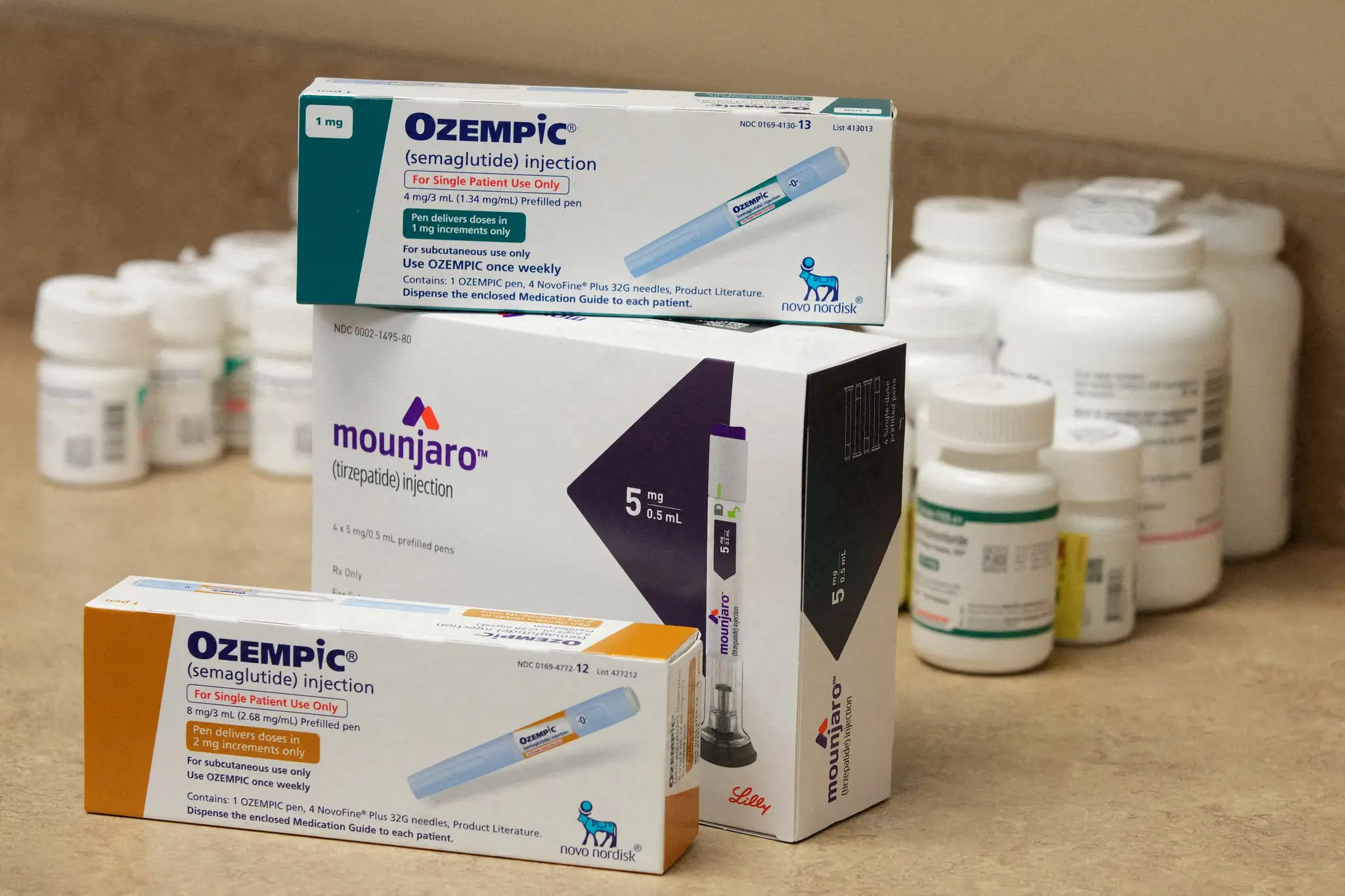
State Medicaid programs and federal employee health plans are the leading sources of coverage for popular new weight-loss drugs, including Novo Nordisk’s Wegovy and Eli Lilly’s Zepbound. According to data from the AXIACI Obesity Coverage Nexus, government-funded plans provide access to these treatments for over 52 million Americans, significantly outpacing private employer and commercial insurance coverage.

Coverage Breakdown:

  • Medicaid Programs: Cover 31.6 million low-income individuals.
  • Federal Employee Plans: Provide access to 14.6 million federal workers and dependents.
  • State and Local Employee Plans: Cover an additional 6 million individuals.

In contrast, approximately 13.7 million Americans under commercial health plans have coverage for these drugs. An additional estimated 10.7 million privately insured individuals may also have coverage, bringing the total private sector figure to a potential 24.4 million—still less than half of government-backed coverage.


Barriers to Broader Coverage

The discrepancy between public and private plans highlights employer hesitancy to absorb the costs of GLP-1 drugs, which carry list prices exceeding $1,000 per month. Kathy Hempstead of the Robert Wood Johnson Foundation attributes this to rising health insurance premiums, which make funding weight-loss treatments an added challenge for private employers.

Many private insurers impose stringent prerequisites, such as dietary consultations or lifestyle programs, before approving coverage. Additionally, patients often face limited drug availability and may turn to cheaper alternatives from compounding pharmacies.


Impact on Drugmakers and Patients

While Medicaid’s steep drug price discounts may affect Novo Nordisk and Eli Lilly’s profit margins, higher obesity rates among Medicaid recipients present a significant market opportunity. For many patients, insurance coverage is the only feasible way to access these expensive medications, which can be required for long-term use.

Both companies are lobbying for broader insurance coverage, emphasizing the societal cost savings from reducing obesity-related conditions like heart disease and diabetes. Novo estimates that about half of U.S. adults with obesity now have access to weight-loss medications. However, Lilly acknowledges gaps in commercial insurance coverage, citing ongoing stigma and mismanagement of obesity as barriers to treatment.


State-by-State Medicaid Approaches

Currently, 14 state Medicaid programs, including California, Pennsylvania, and North Carolina, offer coverage for GLP-1 drugs to treat obesity. Seventeen states extend coverage to public employees and their dependents, with five—Connecticut, Delaware, Kansas, Massachusetts, and Michigan—offering both.

Medicare, the federal program for individuals 65 and older, does not cover GLP-1 drugs for weight loss, limiting its use to managing type 2 diabetes and cardiovascular disease.

Christine Ferguson, a healthcare policy expert, noted the fragmented nature of state decisions on coverage, saying, “Everyone is being very cautious here,” with no clear national pattern emerging yet.


Future of GLP-1 Coverage

As the use of GLP-1 receptor agonists continues to reshape obesity treatment in the U.S., the divide between public and private insurance coverage underscores ongoing challenges in integrating weight-loss drugs into broader healthcare frameworks. Drugmakers are likely to intensify advocacy efforts for expanded insurance support, seeking to address both financial and cultural barriers to care.

Zealand Pharma Heralds Obesity Drug Alternative: “Our Crown Jewel” Amid Fierce Competition

Zealand Pharma, a Danish biotech company, is aiming to revolutionize the obesity treatment market with what it calls the “next generation” of weight loss drugs. Competing against major players like Novo Nordisk and Eli Lilly, Zealand Pharma’s CEO, Adam Steensberg, expressed optimism about the company’s experimental drugs that could set new standards for weight management, particularly with its amylin analog candidate, Petrelintide. Steensberg referred to Petrelintide as their “crown jewel,” positioning it as an alternative to the increasingly popular GLP-1 treatments, such as Novo Nordisk’s Wegovy and Eli Lilly’s Zepbound.

The Promise of Petrelintide and Dapiglutide

While Zealand Pharma has already reported positive results from early-stage trials of Dapiglutide, a GLP-1/GLP-2 receptor dual agonist, the company’s real focus is on Petrelintide, which offers a novel approach by mimicking the hormone amylin. Amylin, co-secreted with insulin, helps regulate feelings of fullness (satiety), a mechanism different from GLP-1 treatments that suppress appetite by mimicking gut hormones. This differentiation is key, as Petrelintide aims to offer significant weight loss with fewer side effects and reduced muscle loss—common concerns associated with current GLP-1 treatments.

According to Steensberg, the goal is to offer patients a more “pleasant experience” with long-term treatment possibilities. Amylin analogs like Petrelintide are emerging as a new category in obesity treatment, with the potential to become a foundational therapy in the coming years.

Strong Early Results and Growing Competition

In June 2024, Zealand Pharma announced promising results from a phase 1b trial of Petrelintide, which demonstrated an average body weight reduction of up to 8.6% over a 16-week course. The company believes this robust data supports Petrelintide as a viable alternative to GLP-1 treatments, particularly for those who struggle with their side effects.

Novo Nordisk, which currently dominates the obesity market, is also working on its own amylin-based therapy by combining semaglutide (the active ingredient in Wegovy) with amylin analog Cagrilintide in a candidate drug called CagriSema. This further highlights the growing interest in amylin-based therapies within the competitive obesity treatment landscape.

Zealand Pharma’s smaller size presents a challenge in competing with the pharmaceutical giants. Emily Field, head of European pharmaceuticals research at Barclays, noted that while Zealand Pharma’s developments are promising, the company will likely need a larger pharmaceutical partner to scale its operations effectively.

Searching for a Global Pharma Partner

Zealand Pharma, which has seen its share price more than double this year due to excitement around its obesity drugs, is now actively seeking a global pharmaceutical partner to help bring its treatments to market. Steensberg acknowledged that despite the company’s recent $1 billion capital raise, partnership is essential for the next phase of development, particularly as both Petrelintide and Dapiglutide move into phase 2 trials in 2024 and 2025.

With rising competition, including established players like Novo Nordisk and Eli Lilly and an estimated $200 billion market by 2030, partnering with a global firm would provide Zealand Pharma with the resources necessary to scale production and marketing efforts.

Future of Obesity Treatment and Market Fragmentation

The obesity drug market is expected to become increasingly fragmented as different pharmaceutical companies target specific segments and patient needs. Analysts believe that focusing on niche areas, such as treatments that reduce muscle loss, will help smaller companies like Zealand Pharma carve out space alongside the market leaders. As demand for these treatments continues to surge globally, companies are racing to create the next big breakthrough in weight management.

Zealand Pharma’s strategic focus on amylin analogs, coupled with its search for a strong pharmaceutical partner, positions the company to make a significant impact in the coming years. Steensberg remains optimistic, viewing their developments as “an attractive opportunity” for potential partners and asserting that amylin analogs could become a first-line therapy in the near future.

Conclusion

Zealand Pharma’s innovative obesity drug candidates, particularly Petrelintide, hold great promise in reshaping the future of weight management treatments. As the company advances its clinical trials and seeks a global pharmaceutical partner, it faces both opportunities and challenges in an increasingly competitive and lucrative market. With the growing demand for effective and tolerable weight loss solutions, Zealand Pharma’s next-generation treatments may very well play a pivotal role in the future of obesity care.