Yazılar

Viking Therapeutics Stock Surges Nearly 30% Following Weight Loss Drug Milestone

Viking Therapeutics saw its stock jump by 28% on Thursday after the company announced it would be advancing its experimental weight loss injection, VK2735, into a late-stage trial earlier than anticipated. This move positions Viking closer to entering the lucrative GLP-1 market, which analysts project could grow to $150 billion by the end of the decade.

Viking’s accelerated timeline was influenced by feedback from the Food and Drug Administration (FDA), allowing the San Diego-based biotech firm to bypass an additional mid-stage trial. The company plans to meet with the FDA in the fourth quarter to finalize the design and timing of the phase three trial, potentially shaving a year off the drug’s development timeline. Analysts now estimate the drug could launch as early as 2029.
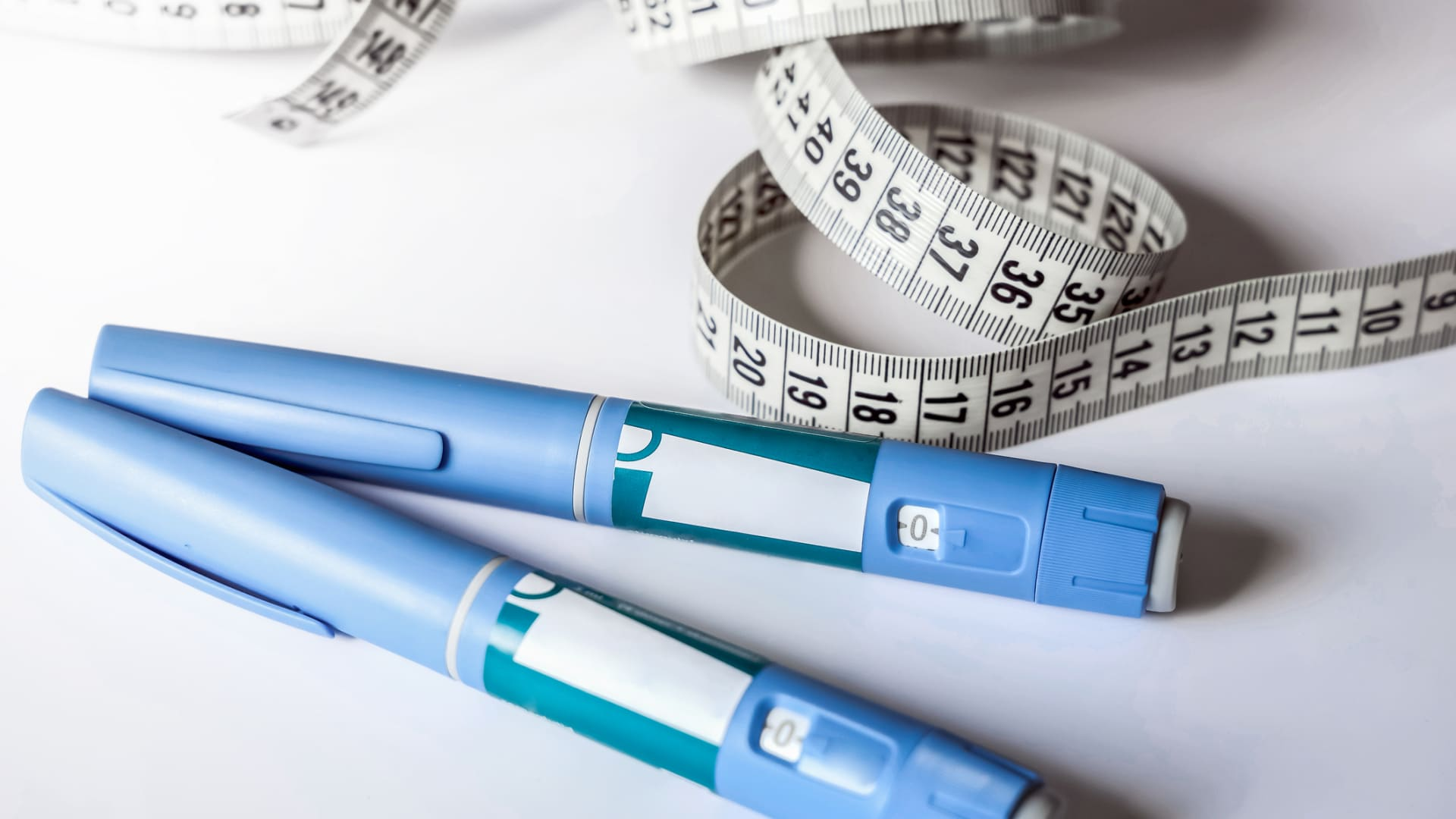
VK2735, a weekly injection that targets GLP-1 and GIP hormones, demonstrated promising results in a phase two trial, with patients experiencing up to 14.7% body weight loss after 13 weeks. Viking also plans to test a monthly version of the injection, which could offer a more convenient alternative to Eli Lilly’s Zepbound and Novo Nordisk’s Wegovy, both of which are administered weekly.

In response to Viking’s announcement, shares of major competitors Eli Lilly and Novo Nordisk closed lower, down 4% and 3% respectively, reflecting market concerns over potential new competition in the weight loss and diabetes treatment space.

Viking Therapeutics is also exploring an oral version of VK2735, which showed a 3.3% weight loss compared to a placebo in an early-stage trial. As Viking pushes forward, its entry into the GLP-1 market could intensify competition among drugmakers vying for a share of this rapidly expanding sector.
 

Eli Lilly’s Q2 Earnings Surpass Expectations, Raises Full-Year Outlook

Eli Lilly reported stellar second-quarter earnings, significantly exceeding market expectations, driven by robust sales of its diabetes drug Mounjaro and weight loss injection Zepbound. The pharmaceutical giant raised its full-year revenue forecast by $3 billion, now expecting between $45.4 billion and $46.6 billion, while also increasing its adjusted earnings guidance to a range of $16.10 to $16.60 per share.

The company’s performance was primarily bolstered by the increased demand for Mounjaro and Zepbound, which together have seen sales soar as supply constraints begin to ease. Despite previous shortages, Eli Lilly’s recent expansion in production capacity has improved the availability of these drugs in the U.S., contributing to the positive financial results. Zepbound, in its second full quarter on the U.S. market, generated $1.24 billion in sales, outperforming analyst expectations. Similarly, Mounjaro brought in $3.09 billion, more than triple the revenue from the same period last year.

CEO David Ricks noted that the company has ramped up its manufacturing efforts, including building six new plants and hiring thousands of workers to meet the growing demand. He also mentioned that Eli Lilly is working on developing more convenient weight loss pills to complement its existing injectable treatments.

Eli Lilly’s shares rose by more than 7% following the earnings announcement, continuing a strong upward trend that has seen the stock gain over 30% this year. The company’s market cap now exceeds $730 billion, making it the largest pharmaceutical firm based in the U.S. This success contrasts with competitor Novo Nordisk, which recently reported weaker-than-expected sales for its similar drugs due to pricing pressures.


GLP-1s Beyond Weight Loss and Diabetes: Exploring New Therapeutic Frontiers

The potential health benefits of GLP-1 (glucagon-like peptide-1) drugs, known for their use in weight loss and diabetes management, are expanding. Novo Nordisk recently revealed that its GLP-1 drug liraglutide may slow Alzheimer’s disease progression by protecting the brain, according to new mid-stage trial data. Additionally, another study indicated that semaglutide, found in Novo Nordisk’s Wegovy and Ozempic, could aid smoking cessation. These GLP-1 treatments mimic gut hormones to suppress appetite and regulate blood sugar, and researchers believe they might also reduce inflammation and treat other conditions.

However, more extensive research and longer trials are necessary before regulators can approve these drugs for additional uses. The FDA took a significant step in March by approving Wegovy to reduce the risk of serious heart complications. This could increase pressure on insurers to cover these treatments, which often cost around $1,000 per month. Here are other conditions GLP-1s are being tested for:

1. Cardiovascular Health:
• Wegovy has been shown to reduce the risk of heart attack, stroke, and death from cardiovascular causes by 20% in obese patients with heart disease.
• It also alleviated cardiovascular symptoms in patients with obesity, diabetes, and heart failure.
• Eli Lilly’s tirzepatide (in Zepbound and Mounjaro) is being tested in a late-stage trial for obesity and heart failure, expected to conclude this month.

2. Chronic Kidney Disease:
• Novo Nordisk’s Ozempic slowed chronic kidney disease progression in diabetes patients, reducing the risk of death and major cardiac events by 24%.
• Eli Lilly is also studying tirzepatide for obesity and chronic kidney disease in a trial ending in 2026.

3. Fatty Liver Disease:
• Eli Lilly’s Zepbound significantly improved fatty liver disease outcomes in a mid-stage trial.
• Novo Nordisk and other companies like Zealand Pharma, Viking Therapeutics, and Altimmune are also studying GLP-1 treatments for fatty liver disease.

4. Sleep Apnea:
• Zepbound has shown promise in resolving moderate to severe obstructive sleep apnea, and the FDA is reviewing it for this use.

5. Alzheimer’s Disease:
• Novo Nordisk is investigating semaglutide in late-stage trials for Alzheimer’s disease.

6. Addiction:
• Studies are exploring GLP-1s’ potential to curb addictive behaviors, including nicotine and alcohol use. Novo Nordisk is planning a study to see if semaglutide can reduce alcohol consumption.

The broadening scope of GLP-1 applications underscores their potential as versatile treatments for various conditions beyond weight loss and diabetes.