Yazılar

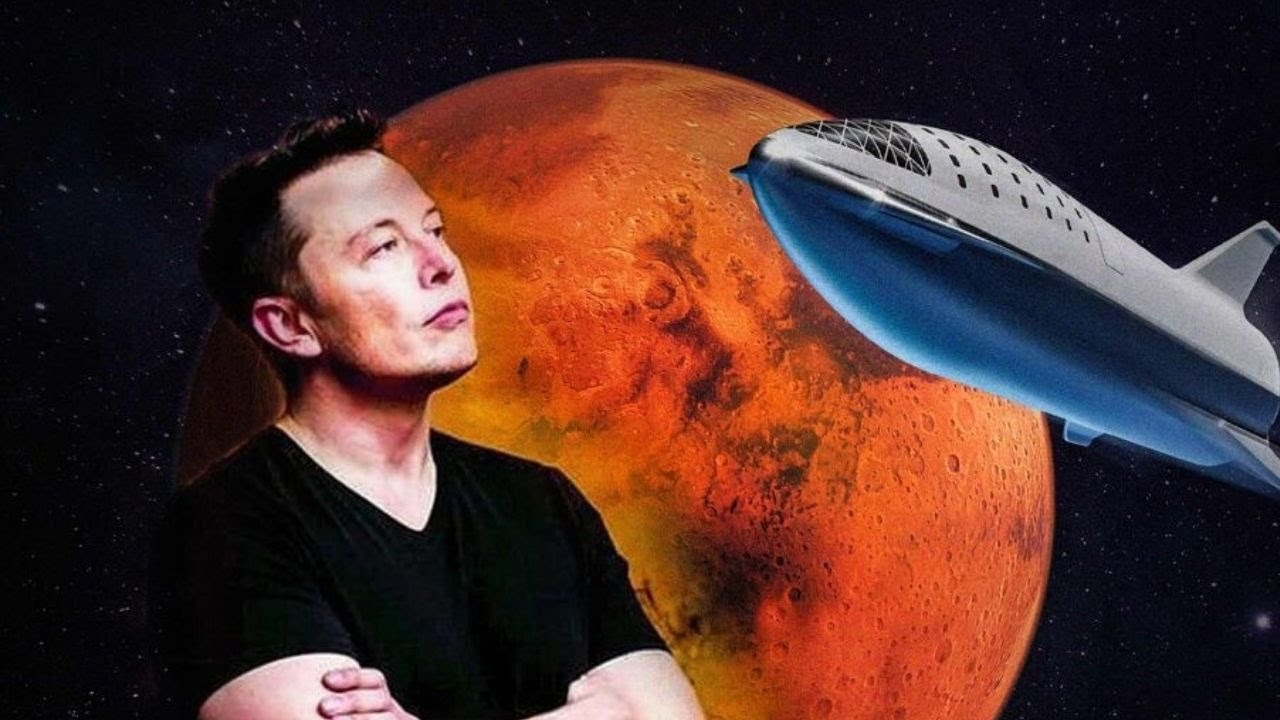
Elon Musk’s Mars Settlement Plan Faces Reality Check in New Book

While Elon Musk’s goal of settling Mars within the next 30 years has sparked excitement about humanity’s future as a multiplanetary species, a new book casts serious doubts on the feasibility of such a vision. In A City on Mars: Can We Settle Space, Should We Settle Space, and Have We Really Thought This Through?, authors Kelly and Zach Weinersmith argue that settling the red planet is far more challenging—and dangerous—than many realize.

The Weinersmiths, a biologist and a cartoonist, explore the myriad obstacles humans would face in establishing a sustainable presence on Mars, from environmental dangers to the complexities of human reproduction. Their research, which led to their skepticism about space colonization, earned their book the 2024 Royal Society Trivedi Science Book Prize.

Initially intrigued by the possibility of space settlements, the authors delved into the harsh realities of Martian living. Kelly Weinersmith explains, “We were pretty excited about space settlement happening… but the more we got into it, we realized there’s a lot we don’t know—and doing this too soon could lead to an ethical catastrophe.”

The Harsh Reality of Mars

The book argues that the idea of leaving Earth for Mars is akin to escaping a messy room only to end up in a toxic waste dump. The Martian environment, with its weak gravity, extreme radiation, thin atmosphere, and toxic soil, poses significant threats to human life. “Mars just lacks a lot of the stuff that we have on Earth,” says Zach Weinersmith, noting the planet’s hostile conditions, including a 40% gravity compared to Earth, high radiation levels, and perchlorate-laden soil, which could disrupt human health and development.

The authors are particularly concerned about human reproduction on Mars. With limited data on how humans will respond to Mars’ conditions, the risks for pregnant women and babies could be catastrophic. Studies from space stations suggest that microgravity weakens bones and muscles, which would worsen on Mars, where gravity is only 38% of Earth’s. Kelly Weinersmith points out that even a slight bone loss could prove fatal during childbirth, emphasizing the need for more research into reproduction in space.

Slow, Steady Progress for Research

While the Weinersmiths are not dismissive of space exploration, they argue that short-term colonization is impractical. Instead, they see potential for incremental progress, such as setting up research stations on the Moon and conducting experiments on animal life in space. The authors predict that in the near term, humans may land on Mars, conduct scientific exploration, and return to Earth, but permanent settlements and reproduction will remain out of reach for now.

The biggest challenges lie in sustaining life on Mars. Technologies to build space farms, establish safe habitats, and produce oxygen in closed-loop systems are still underdeveloped. “We don’t really know how to do that,” says Zach Weinersmith, highlighting the immense research needed for survival in such a sealed, extreme environment.

Ethical and Geopolitical Concerns

The Weinersmiths also raise significant ethical and geopolitical issues. The Outer Space Treaty of 1967, which governs activities in space, provides little guidance on issues like resource extraction and territorial claims on Mars. This ambiguity could lead to international tensions, particularly between space powers like the United States and China, as they race to control valuable sites on Mars and other celestial bodies.

A Reality Check on Space Settlements

Ultimately, A City on Mars presents a cautionary tale about the complexities of interplanetary settlement. While space exploration holds tremendous potential for scientific advancement, the authors argue that the dream of colonizing Mars in the immediate future is a dangerous and unrealistic venture. Their book calls for a more measured approach, emphasizing research, ethical considerations, and long-term planning over the rush to claim Mars as humanity’s second home.


Merkel Raises Concerns Over Musk’s Influence on Trump and Global Politics

Merkel Criticizes Big Business Influence

Former German Chancellor Angela Merkel has expressed alarm over the growing influence of tech magnates like Elon Musk on politics, particularly regarding former U.S. President Donald Trump. In an interview with Der Spiegel, published ahead of her memoir’s release, Merkel highlighted the challenges posed when corporate power overshadows democratic governance.

“If the ultimate recourse of politics is influenced too strongly by companies—through capital or technological capabilities—it poses an unprecedented challenge for all of us,” Merkel stated, emphasizing the importance of balancing the interests of ordinary citizens against those of powerful corporations.


Concerns Over Musk’s Expanding Role

Merkel singled out Musk, CEO of Tesla and SpaceX, as a concerning example. Musk was reportedly tapped by Trump to co-lead a newly envisioned Department of Government Efficiency, which the former president-elect had indicated would operate outside traditional government frameworks.

Merkel pointed to Musk’s vast control over global satellite networks. “If someone like him owns 60% of all satellites orbiting in space, then that has to be a huge concern for us,” she said. Musk’s SpaceX, through its Starlink satellite internet network, operates over 6,000 satellites used worldwide by governments, corporations, and consumers.


Reflections on Multilateralism and Trump

In her forthcoming memoir, Freedom: Memories 1954-2021, Merkel shares insights into her experiences with global leaders, including Trump and Russian President Vladimir Putin. Speaking to Der Spiegel, she lamented Trump’s approach to international relations, noting that his worldview, rooted in a “winner-takes-all” mentality, undermined multilateral cooperation.

“Trump’s re-election filled me with sadness,” Merkel admitted, underscoring the difficulties of maintaining collaborative global efforts in the face of such divisive politics.


Memoir Release and Legacy Concerns

Merkel’s memoir, set to be released on November 26 in over 30 countries, has garnered significant attention. She will launch the book in the U.S. alongside former President Barack Obama in December. The release comes at a time when Merkel’s 16-year tenure is under scrutiny, as Germany faces economic challenges and growing political and international crises.

The memoir promises a candid look at Merkel’s leadership during pivotal global events and offers a reflection on the delicate balance of power between governments, corporations, and individuals.

Musk, Ramaswamy Aim to Curb Federal Agency Power Using Supreme Court Precedents

Leaning on Landmark Rulings

Elon Musk and Vivek Ramaswamy, leaders of the newly formed Department of Government Efficiency (DOGE), announced plans to leverage recent Supreme Court decisions to reduce federal regulatory power. In a Wall Street Journal op-ed on Wednesday, they highlighted their intent to target what they describe as unnecessary, costly, and inefficient regulations.

The effort is rooted in the Supreme Court rulings in West Virginia v. EPA (2022) and Loper Bright v. Raimondo (2023), which curbed federal agencies’ ability to act without explicit Congressional authorization. Musk and Ramaswamy claim many current regulations exceed the legislative powers granted by Congress and argue the rulings provide a blueprint for dismantling overreach.


Partnership with Trump Administration

President-elect Donald Trump tapped Musk, the billionaire CEO of Tesla and SpaceX, and Ramaswamy, a biotech entrepreneur and former presidential candidate, to lead DOGE. They aim to identify regulations that could be suspended via executive action, allowing time for their review and potential repeal.

The duo emphasized their collaboration with Trump’s transition team to recruit a cadre of “small-government crusaders” tasked with reforming federal governance. These efforts will be coordinated with the White House Office of Management and Budget (OMB).


Strategic Focus

DOGE plans to focus on regulations across various sectors, targeting rules they believe stifle innovation and economic growth. Musk and Ramaswamy view the current conservative 6-3 Supreme Court majority as an opportunity to implement structural downsizing of federal agencies.

They argue that the initiative aligns with what they interpret as a public mandate for reducing government overreach. “This electoral moment presents a unique opportunity to modernize governance by eliminating burdensome regulations that hamper progress,” they wrote.


Criticism and Challenges

While the plan has drawn support from deregulation advocates, critics warn it could undermine critical protections related to health, safety, and the environment. Legal experts also anticipate challenges to sweeping regulatory rollbacks, potentially leading to protracted court battles.

Observers highlight that balancing deregulation with public accountability and governance effectiveness will be a key test for DOGE’s approach.


Looking Ahead

As DOGE prepares its list of regulations for President Trump’s review, the agency’s impact will depend heavily on its ability to navigate legal, political, and public scrutiny. With Musk and Ramaswamy at the helm, the initiative underscores a broader push to redefine federal oversight in favor of private-sector-led innovation and efficiency.