Yazılar

Trump Victory Could Boost Elon Musk’s Vision of Mars Missions

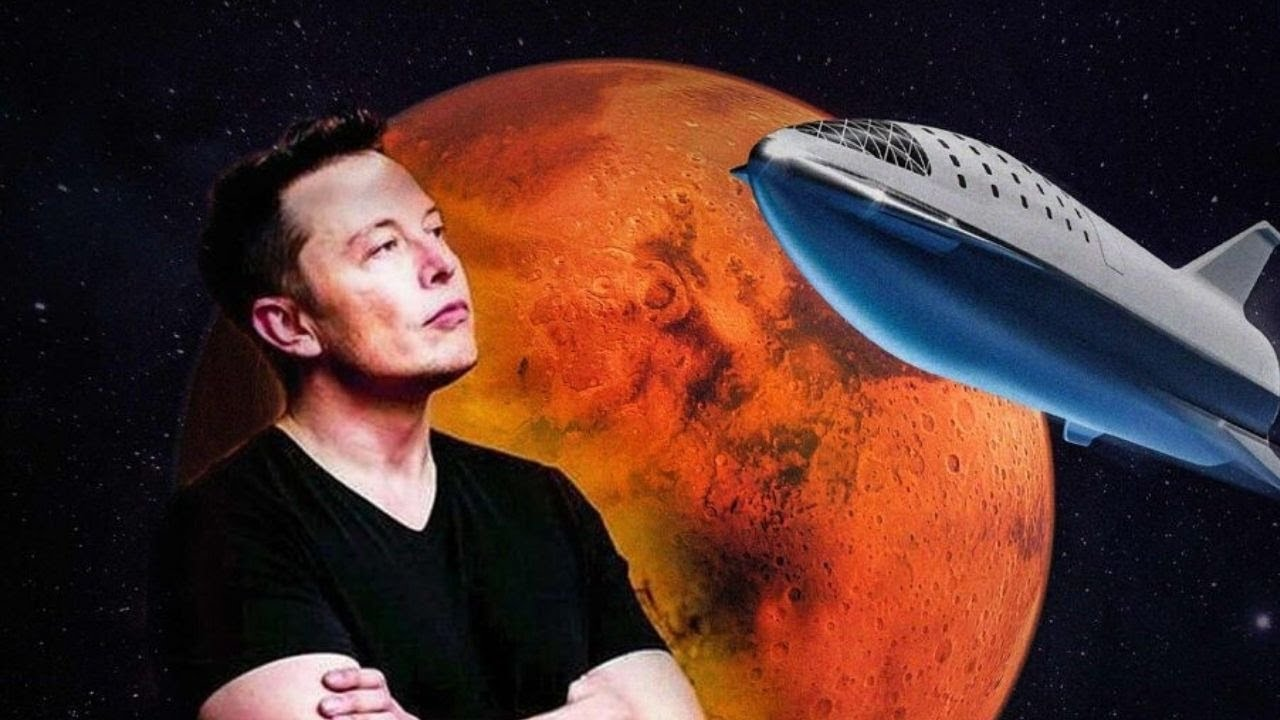
Elon Musk’s ambition to transport humans to Mars may gain momentum under President-elect Donald Trump, according to sources familiar with Trump’s space policy plans. NASA’s Artemis program, which involves Musk’s SpaceX Starship rocket, currently aims to place humans on the moon as a step toward Mars missions. Under the new administration, however, the program is expected to prioritize Mars more directly, with potential uncrewed missions as soon as this decade.

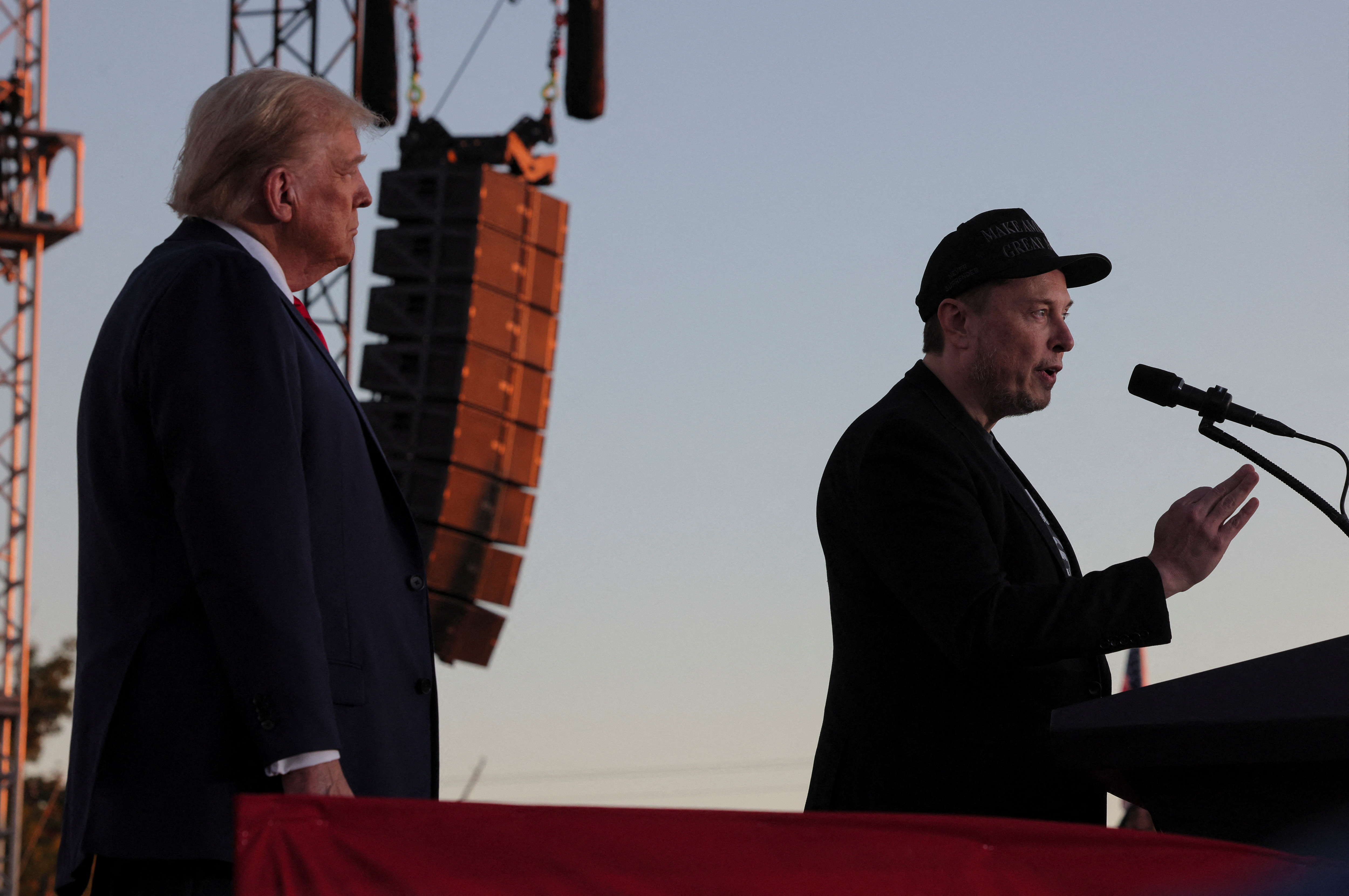
This shift aligns with Musk’s long-term goal of making Mars humanity’s next frontier. Known for wearing an “Occupy Mars” shirt at a Trump rally in October, Musk has strongly endorsed the incoming president, contributing $119 million to Trump’s campaign and heightening the visibility of space policy during the transition.

Sources indicate that the Trump administration’s approach to NASA will focus more intensively on Mars, seeing the moon as a mere “launching pad” for a Mars mission. Doug Loverro, a space industry consultant who led NASA’s human exploration unit during Trump’s previous term, notes that a Mars-centered agenda could make the Red Planet an explicit objective. Yet, an intensified Mars focus also poses increased financial and technical challenges, especially in comparison to lunar missions.

Trump’s influence on space policy isn’t new: he launched NASA’s Artemis program in 2019, which the Biden administration maintained. However, Trump’s advisers now plan to push for changes in Artemis to correct what they perceive as stagnation since their last administration. This could entail shifting from costly government contracts to fixed-price agreements with private companies, which would transfer greater responsibility—and risk—to firms like SpaceX.

Under Musk’s influence, the Trump administration may also look to reduce regulatory constraints, particularly at the Federal Aviation Administration (FAA). Musk has long voiced frustration over the FAA’s commercial space regulations, which he argues have delayed SpaceX’s Starship program. Deregulation could thus expedite private rocket launches, aiding Musk’s vision for Mars.

Such policy shifts may impact NASA’s $24 billion Space Launch System (SLS) rocket, a government-owned project led by Boeing and Northrop Grumman since 2011. If Artemis pivots toward Mars, the SLS program could face scrutiny, as critics argue it has drained NASA’s budget while struggling with delays. Nonetheless, canceling the program would be difficult due to the potential job losses and greater reliance on SpaceX for space missions.

Musk, who also heads Tesla and Neuralink, is known for setting ambitious timelines. He recently claimed that SpaceX could land Starship on Mars by 2026, with a crewed mission following by 2030. Trump has publicly discussed these Mars aspirations with Musk, although experts are cautious about the feasibility. Scott Pace, Trump’s top space policy official during his previous term, believes that while a one-way Starship mission to Mars might be achievable, a fully crewed mission remains unlikely within such a short timeline.

Plans for Musk’s Mars vision could change as the Trump transition team finalizes its policy agenda. For now, it appears that both Musk and Trump are aligned in their drive to push the boundaries of space exploration, targeting Mars as a significant goal for the near future.

 

Misinformation on X Amplifies During U.S. Election Cycle, Experts Say

In the lead-up to the 2024 U.S. presidential election, misinformation on X (formerly Twitter), largely stemming from posts by the platform’s owner Elon Musk, has garnered over two billion views this year, according to the Center for Countering Digital Hate (CCDH). Musk’s substantial following of 203 million has reportedly enabled widespread amplification of these claims, intensifying the platform’s influence over election narratives, particularly in battleground states crucial to the outcome.

A report from CCDH highlights that at least 87 of Musk’s posts related to the election were marked as misleading or false by fact-checkers. Experts argue that this massive dissemination of misinformation on X could shape voter perception and increase polarization as Election Day approaches. “X acts as a conduit, spreading content from one social media platform to others like Reddit and Telegram,” explained Carnegie Mellon University professor Kathleen Carley, an expert in disinformation studies.

Despite these concerns, a spokesperson from X defended the platform’s approach, pointing to the Community Notes feature that allows users to provide added context to potentially misleading posts. The spokesperson argued that Community Notes offer a more effective solution than traditional warning labels, as they encourage users to critically assess content.

Since Musk’s acquisition of X, the platform has reduced its content moderation practices, including layoffs that impacted moderation teams. Musk has also publicly backed former President Donald Trump in a close race against Democratic candidate Kamala Harris. This environment of lax moderation, paired with Musk’s extensive influence on the platform, has fostered what experts call “network effects” that help misinformation spread between platforms.

False narratives about election processes in swing states, such as Pennsylvania, have also gained traction on X. Philip Hensley-Robin of Common Cause, a nonpartisan group advocating for fair voting practices, shared concerns over misleading claims in Pennsylvania. He noted that certain users had inaccurately presented legitimate administrative actions, such as flagging incomplete voter registrations, as election interference. “Some posts implied voter fraud, despite election administrators following all procedures to ensure that only eligible votes were counted,” Hensley-Robin stated.

One prominent instance of election misinformation on X involved a fake video suggesting that mail-in ballots for Trump in Pennsylvania were being destroyed. Cyabra, a digital intelligence company focused on disinformation, reported that an X account with 117,000 followers played a critical role in circulating the video. While the platform’s spokesperson noted that X took action against accounts spreading this misleading video, election experts argue that such interventions often occur too late to curb the narrative’s spread.

The widespread nature of election misinformation on X underscores the complex challenges social media poses to U.S. election integrity, leaving platforms and watchdogs struggling to keep up with the rapid proliferation of misleading information.


Elon Musk’s $1 Million Voter Lottery Lawsuit Returned to State Court

A federal judge in Pennsylvania has sent back to state court a lawsuit against Elon Musk and his political action committee (PAC) regarding a controversial $1 million daily lottery for registered voters. The ruling came on Friday, following Philadelphia District Attorney Larry Krasner’s request to halt the prize giveaways ahead of the upcoming presidential election.

Krasner’s office claims that Musk and his America PAC are running an illegal lottery designed to sway voters in the election between Donald Trump and Kamala Harris. They allege that the lottery violates state consumer protection laws and is aimed at influencing the electoral process.

The case was initially filed in the Philadelphia County Court of Common Pleas, but Musk’s team moved it to federal court, claiming jurisdiction due to its connection with the presidential election. However, U.S. District Judge Gerald Pappert ruled that the lawsuit should be handled in state court, stating that the legal issues raised are rooted in state law, not federal law. “Federal question jurisdiction does not turn on a plaintiff’s motivations in filing suit; it turns on whether the legal issues arising from the claims originate in federal or state law,” Pappert wrote.

In response to the ruling, Krasner’s office noted that the judge’s decision reaffirmed their position that Musk’s attempt to shift the case to federal court was unlawful. The District Attorney is seeking a hearing on Monday to address his request for an injunction against the lottery.

Musk announced the lottery on October 19, stating that the America PAC would randomly award $1 million daily until Election Day to registered voters in seven swing states, including Pennsylvania, who signed a petition supporting the U.S. Constitution. The first winners of the lottery were reportedly from Pennsylvania.

Following Krasner’s lawsuit, Musk was ordered to appear for an emergency hearing in the state court, but his legal team had already filed to move the case to federal jurisdiction. After Musk did not attend the scheduled hearing, Judge Angelo Foglietta indicated that the case could not proceed in state court due to its removal to federal jurisdiction.

Musk’s attorney, Matthew Haverstick, subsequently filed a motion to quash the order requiring Musk’s appearance, arguing that the request was intended to “harass and oppress” Musk during a critical election period. Haverstick contended that the District Attorney’s actions were an unconstitutional attempt to limit Musk’s First Amendment rights.