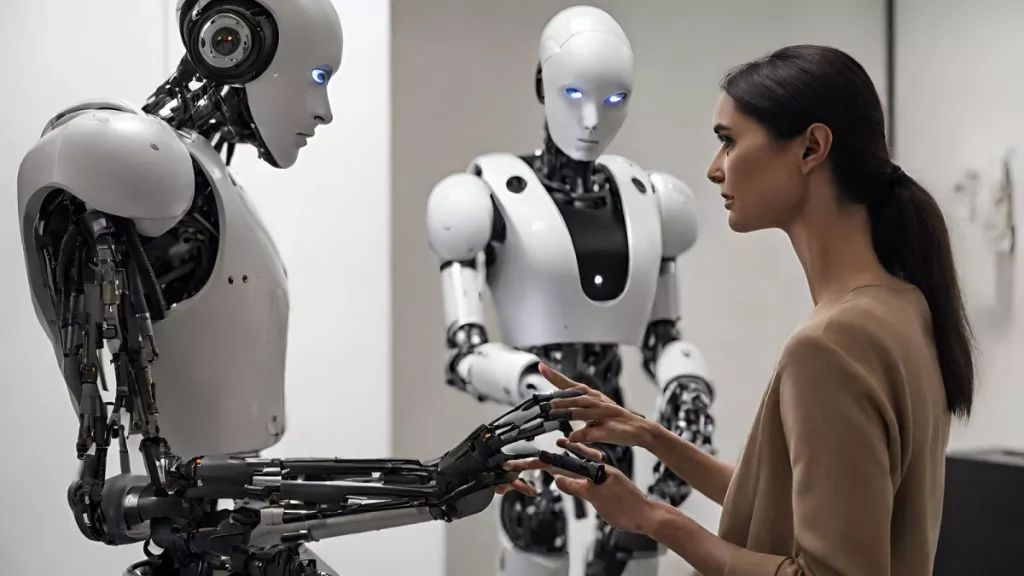
Elon Musk Plans to Implement Humanoid Robots in Tesla Factories for Internal Operations by 2025
Musk’s April Announcement: Tesla Robots to Perform Factory Tasks by Year-End, with Sales Expected by 2025 Devamını Oku

Musk’s April Announcement: Tesla Robots to Perform Factory Tasks by Year-End, with Sales Expected by 2025 Devamını Oku
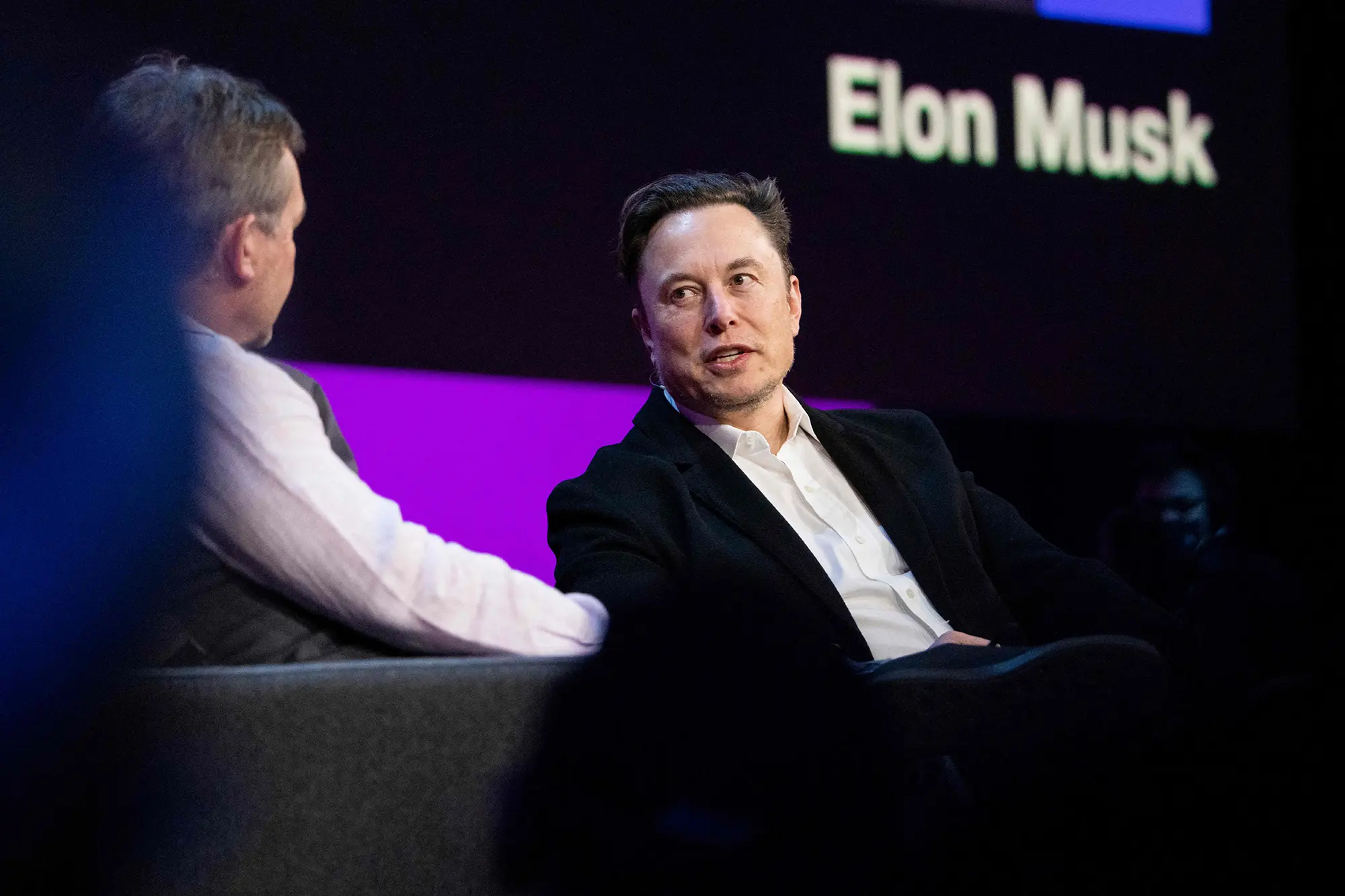
Elon Musk, the billionaire entrepreneur and owner of the social media platform X, is set to interview former President Donald Trump, the Republican candidate for the 2024 U.S. presidential election, in an event scheduled for Monday at 8 p.m. Eastern Time. This high-profile interview, which will be broadcast on X, is expected to draw significant attention as Trump seeks to rejuvenate his campaign amidst declining poll numbers.
The timing of this interview is crucial for Trump, whose campaign has struggled to maintain momentum against his Democratic opponent, Vice President Kamala Harris. Harris has recently closed the gap in the polls and has energized her base with a series of dynamic rallies. For Trump, this interview represents an opportunity to reach a broader audience beyond his usual conservative base, who typically tune in to his appearances on Fox News and attend his rallies. However, X has experienced technical issues in the past during similar high-traffic events, raising concerns about the platform’s ability to handle the anticipated viewership.

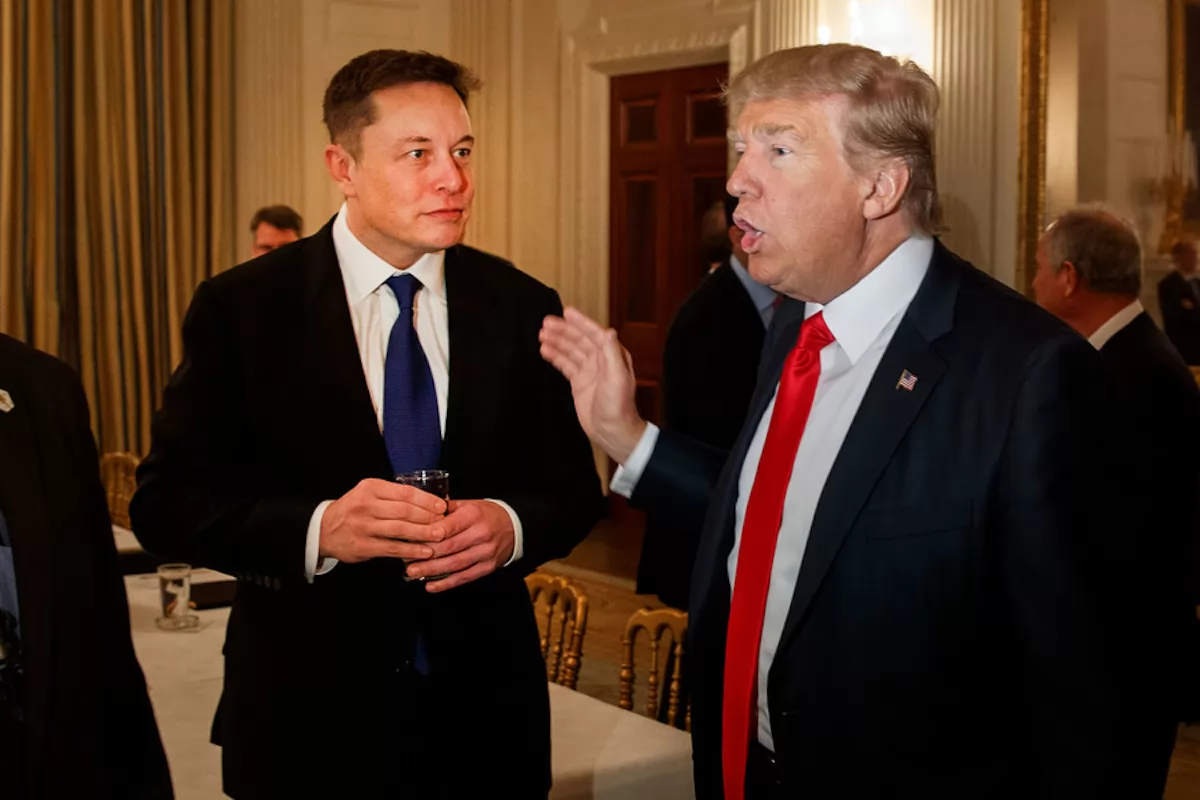
Musk’s involvement in the interview adds an intriguing dimension, given his evolving political stance. Although he supported President Joe Biden in the 2020 election, Musk has since shifted rightward and publicly endorsed Trump after an attempted assassination attempt against the former president. Musk, who also leads Tesla, has even established a political action committee to support Trump’s campaign, which is currently under investigation in Michigan for potential violations of voter information laws.
Trump, who has historically been critical of electric vehicles, has notably softened his stance following Musk’s endorsement. At a rally in early August, Trump stated, “I’m for electric cars. I have to be, because Elon endorsed me very strongly. So I have no choice.” This shift highlights the complex and sometimes contradictory alliances forming in the lead-up to the November 2024 election.
The interview will also mark Trump’s return to X, formerly known as Twitter, after his account was reinstated under Musk’s ownership. Trump’s access to the platform was previously suspended following the January 6, 2021, Capitol riot. On Monday morning, Trump posted on X for the first time in a year, sharing an advertisement that emphasized his belief that the criminal charges he faces are politically motivated.
Musk’s stewardship of X has been marked by controversy, particularly regarding content moderation. Since acquiring the platform in 2022, Musk has reduced moderation efforts, leading to a reported increase in hate speech and driving away advertisers. His endorsement of an antisemitic post and subsequent criticism of the Anti-Defamation League has further fueled these controversies.
As the interview approaches, both Trump and Musk are poised to draw considerable attention, not only for the content of their conversation but also for the broader implications it may have on the presidential race and the evolving media landscape.
Elon Musk, the CEO of Tesla, has increasingly aligned himself with former President Donald Trump, endorsing his candidacy and embracing some of his political rhetoric. However, this alignment contrasts sharply with the ongoing efforts by Tesla to secure government benefits, particularly those associated with the Democratic Party’s environmental policies. Despite Musk’s public endorsement of Trump, who has vowed to “end the electric vehicle mandate” and reduce subsidies, Tesla continues to lobby for regulations and benefits that have been instrumental in its success as a leading electric vehicle manufacturer.
Tesla’s reliance on government support has been crucial to its rapid growth. From a $465 million loan from the U.S. Department of Energy that helped establish its first major manufacturing facility to the nearly $9 billion earned since 2018 through the sale of regulatory credits, Tesla’s financial success is deeply intertwined with government policies designed to promote cleaner energy. These credits, awarded for surpassing emissions standards, have been a significant revenue stream for Tesla, as they can be sold to other automakers that fail to meet these standards.
Musk’s support for Trump raises questions about his motivations, especially given that the former president’s policies often contradict the interests of the electric vehicle industry. Critics argue that Musk’s stance is a pragmatic one, driven by a willingness to accept public money if available, even if it conflicts with his broader ideological beliefs. This approach is evident in Tesla’s continued lobbying efforts, which have included advocating for stricter emissions regulations and the phaseout of gasoline-powered vehicles—policies that are at odds with Trump’s views.
The dissonance between Musk’s public statements and Tesla’s lobbying activities has drawn scrutiny. While Musk has criticized subsidies and expressed support for free markets, Tesla has continued to benefit from government incentives. This contradiction extends to other areas as well, including Musk’s shifting views on climate change and identity politics, where he has distanced himself from progressive platforms while Tesla maintains a corporate stance that aligns with those values.
Ultimately, Musk’s actions suggest a complex balancing act between his personal beliefs, business interests, and long-term ambitions. As Tesla continues to shape public policy in favor of electric vehicles and clean energy, Musk’s relationship with Trump and the Republican Party remains a point of tension, highlighting the challenges of navigating the intersection of business and politics in a rapidly changing world.