Yazılar

Endangered Pygmy Hippo Calf Born at Edinburgh Zoo Named “Haggis”

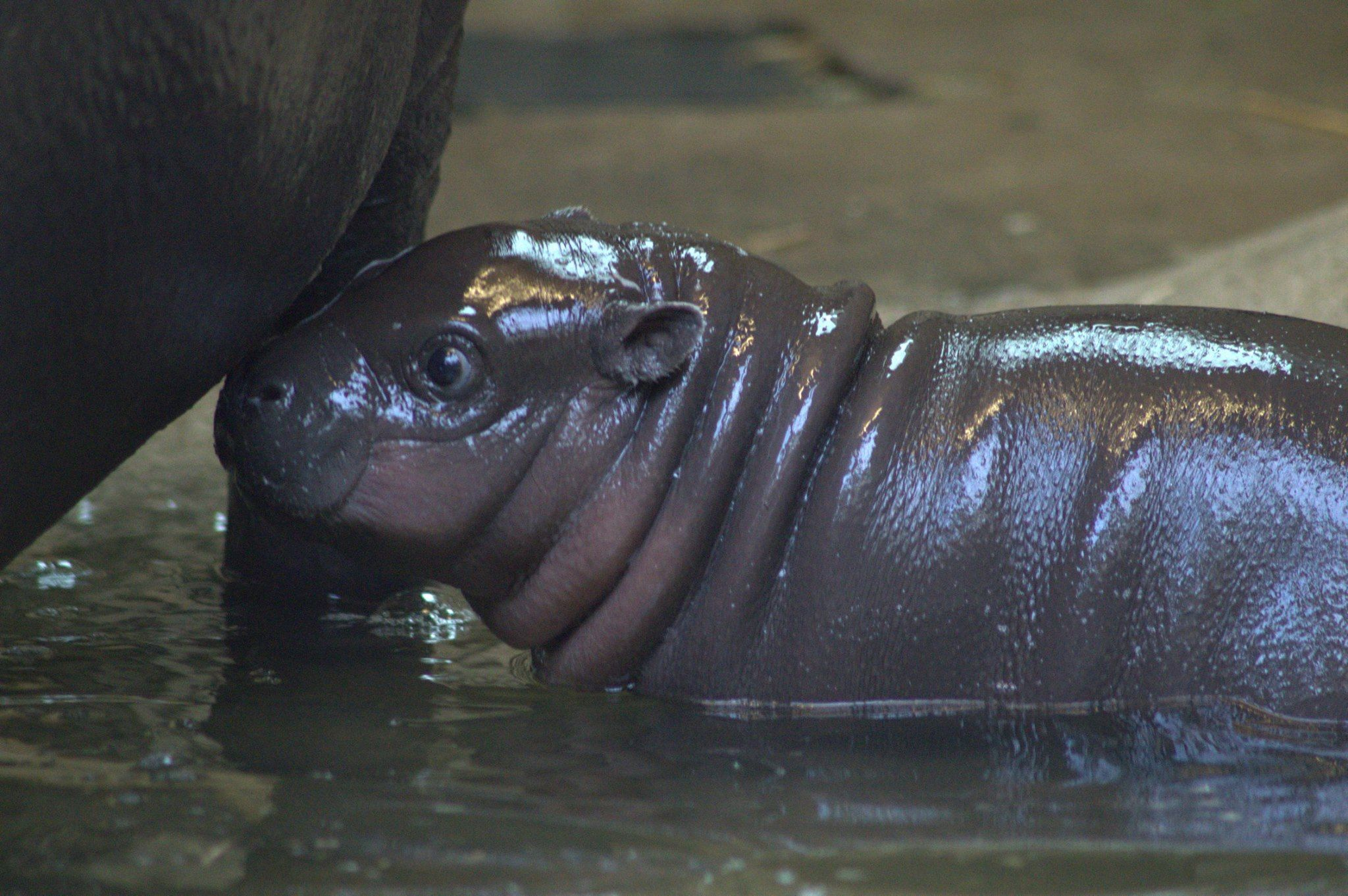
A new and endangered resident has arrived at Edinburgh Zoo—a female pygmy hippo calf named Haggis. Born on October 30 to parents Otto and Gloria, Haggis is already capturing hearts and raising awareness for her rare species. Pygmy hippos, native to the forests and swamps of West Africa, particularly Liberia, are critically endangered, with only around 2,500 left in the wild according to the International Union for Conservation of Nature (IUCN).

The birth of Haggis is a significant moment in the zoo’s conservation efforts. To ensure her health and development, the hippo house has been temporarily closed to visitors so the zoo’s keepers can closely monitor the calf and her mother during these crucial early days. “The first 30 days are critical for her development,” said Jonny Appleyard, the hoofstock team leader at Edinburgh Zoo. “Haggis is doing really well so far, and it’s amazing to see her personality beginning to shine already,” he added.

Haggis joins her older sister, Amara, born in 2021, who was relocated to London Zoo last year as part of the European breeding program to help conserve this endangered species. Pygmy hippos are elusive creatures, known for their solitary nature, and efforts to raise awareness of their plight are essential, particularly as habitat loss and hunting continue to threaten their populations.

Edinburgh Zoo’s new addition follows the global popularity of Moo Deng, a pygmy hippo calf born in Thailand earlier this year. Moo Deng’s viral fame has brought attention to her species through videos shared online by her keepers at Khao Kheow Open Zoo. “While Thailand’s Moo Deng has become a viral global icon, it is important to remember that pygmy hippos are incredibly rare,” Appleyard emphasized, expressing hope that Haggis can serve as Edinburgh Zoo’s ambassador to inspire visitors to learn more about the challenges pygmy hippos face in the wild.

As visitors eagerly await a chance to see Haggis, her birth serves as a heartwarming reminder of the ongoing conservation efforts needed to protect endangered species and their natural habitats.
Emperor Penguin Makes Rare Appearance on Australian Beach, Far from Antarctic Habitat

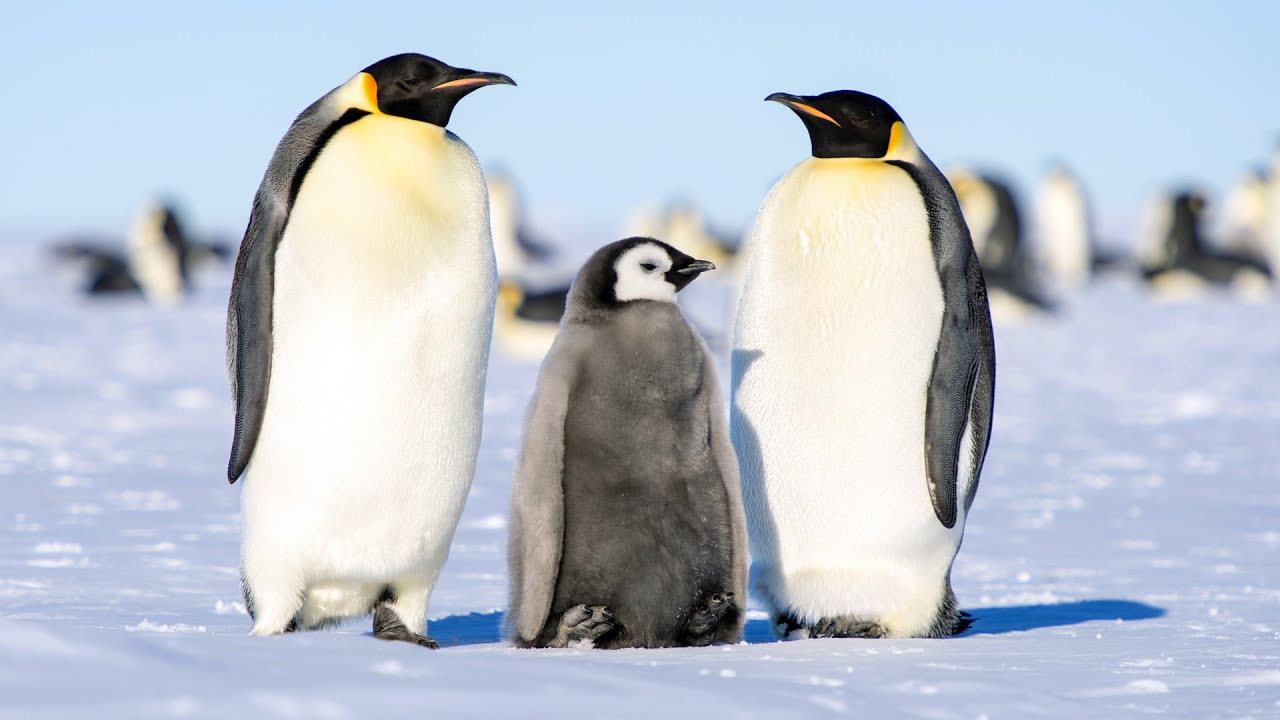
In a rare and surprising event, an emperor penguin was spotted on Ocean Beach in Denmark, Western Australia, thousands of miles from its Antarctic habitat. This unexpected visitor was found last Friday and is now in the care of a trained wildlife carer, according to the Department of Biodiversity, Conservation and Attractions (DBCA).

The penguin, described as “malnourished” by a DBCA spokesperson, is expected to undergo a rehabilitation process that could take several weeks. The rescue team is closely monitoring the animal’s condition, aided by a DBCA officer to ensure it receives proper care.

The penguin’s appearance on Ocean Beach, over 2,200 miles north of Antarctica, is highly unusual. Belinda Cannell, a research fellow at the University of Western Australia, explained that this is the first recorded instance of an emperor penguin venturing so far north. The penguin may have followed an ocean current rich in food that led it to Australian waters, she told ABC News.

Local surfer Aaron Fowler, who witnessed the penguin’s arrival, described seeing the large bird waddle ashore. “It was massive, way bigger than a sea bird. It just waddled straight up to us,” he recounted. He added, “It tried to slide on its belly like it would on snow but face-planted in the sand and then shook itself off.”

Emperor penguins are the largest of all penguin species, reaching heights of up to 45 inches and weighing as much as 88 pounds. They typically breed and live exclusively in Antarctica, where the freezing climate and extensive sea ice are essential for their survival. The ice provides a safe environment for breeding, protection from predators, and access to food sources.

However, climate change poses a significant threat to the species. Rising global temperatures, driven by greenhouse gas emissions, are causing sea ice to diminish. A recent study found that four out of five emperor penguin colonies in the Bellingshausen Sea saw no chicks survive in 2022 due to a massive sea ice loss. Scientists warn that without significant climate action, over 90% of emperor penguin colonies could face near-extinction by 2100.

The appearance of this emperor penguin in Australia highlights both the remarkable endurance of this species and the environmental challenges threatening its future.

Scientists Analyse Sound to Help Endangered Animals

Researchers from Warwick University and Australia’s University of New South Wales are employing a novel method to analyse sounds made by endangered species, aiming to aid their conservation. The study utilizes the superlet transform (SLT), a technique adapted from brain wave analysis in neuroscience, to turn animal signals into images. This allows scientists to estimate population sizes, identify habitats, and track migration patterns.

Lead researcher Ben Jancovich emphasized the method’s accuracy and ease of use compared to traditional techniques, which often struggle with simultaneous time and frequency visualization. The SLT method is particularly effective in spotting familiar shapes and recurring patterns in animal songs.

The research has already revealed that the calls of species like the Asian elephant, southern cassowary, and American crocodile contain “pulsed” sounds. While these findings are based on single recordings and are not yet conclusive, they highlight the method’s potential in providing detailed insights into animal communication.

Understanding the impact of human-generated noise on these animals is also a key focus, with the ultimate goal of informing and improving conservation strategies for endangered species.