Yazılar

Russia Captures Vuhledar, Exposing Ukraine’s Strategic Vulnerabilities

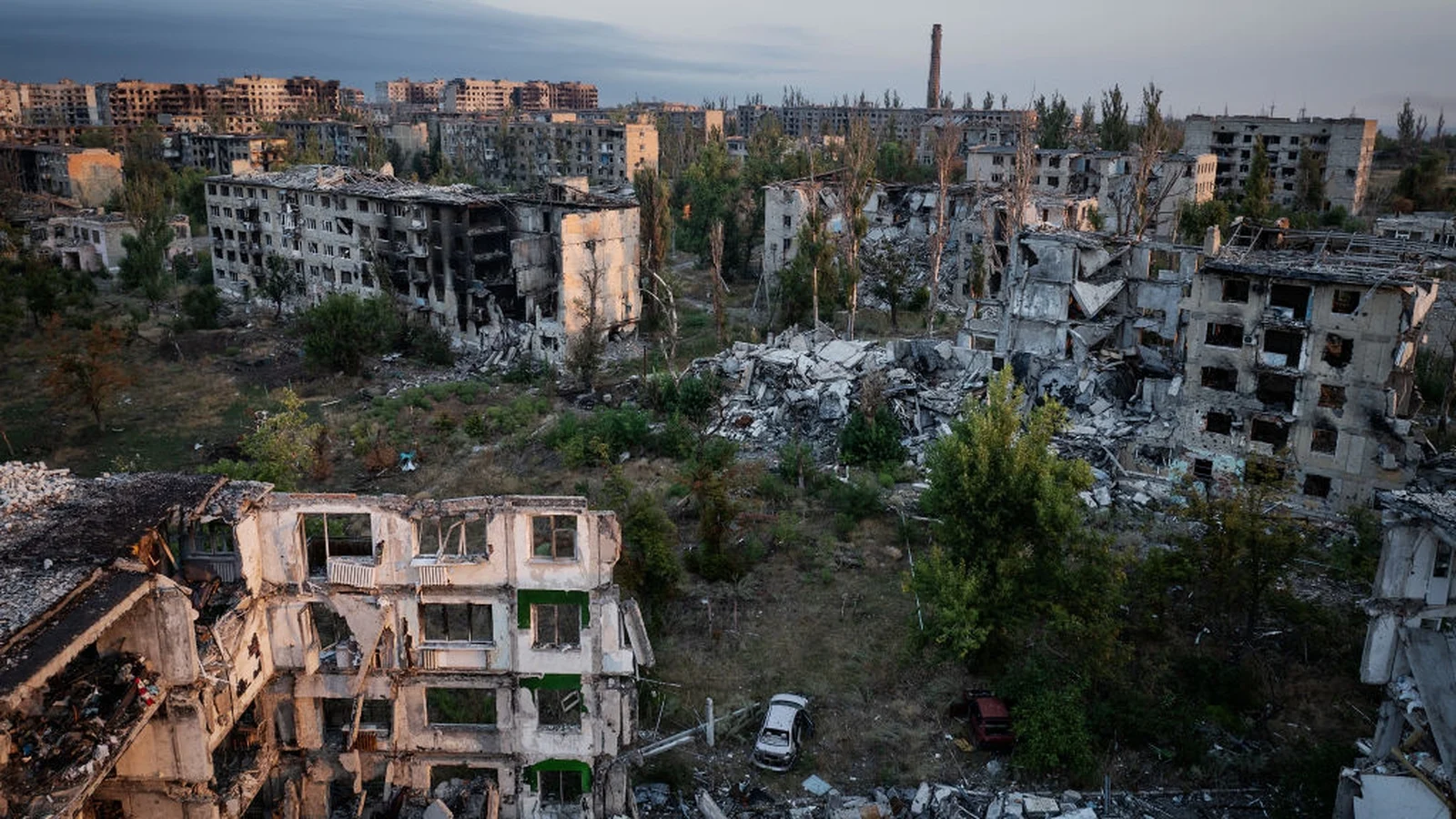
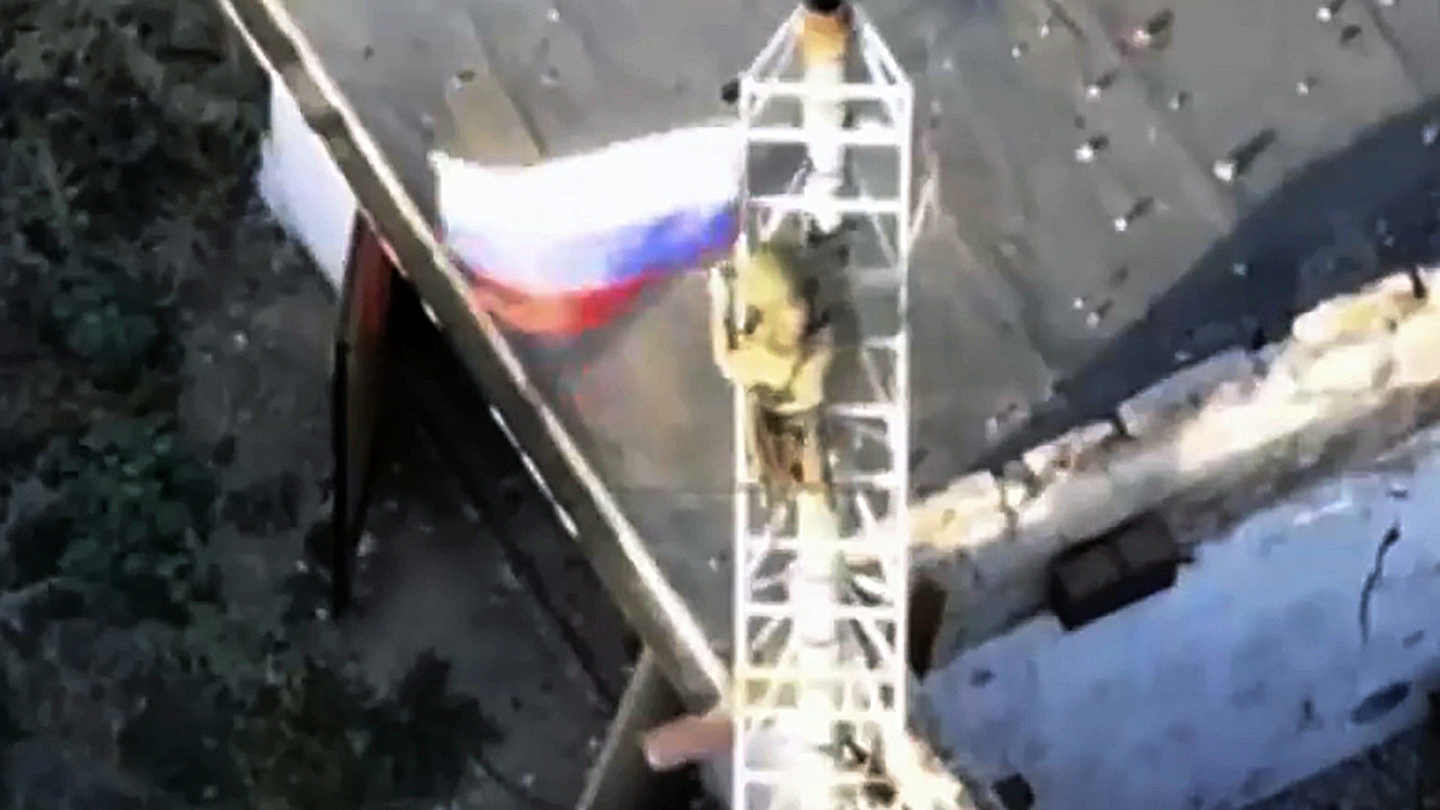
Russia has captured the key eastern Ukrainian town of Vuhledar, marking a significant setback for Kyiv as it prepares for its third winter in war. The town, once home to 14,000 people, now lies in ruins, with a population reduced to barely over 100. Verified footage showed Russian troops raising their flag over the city’s destroyed hall, signifying the end of months of fierce Ukrainian resistance.

Ukraine’s military confirmed a strategic withdrawal from Vuhledar, citing the encroaching threat of encirclement by Russian forces, who managed to bring in reinforcements to the town’s flanks. The withdrawal was framed as necessary to “save personnel and military equipment.”

Vuhledar, although not a major transport hub, had served as a crucial Ukrainian stronghold at the intersection of its eastern and southern fronts. Positioned roughly 50 kilometers south of Pokrovsk, a key attack nexus for Russia in the east, Vuhledar’s fortified nature made it a challenging target for Russian forces. However, its loss, like that of Avdiivka earlier this year, came not through Russian military strategy but rather through a war of attrition.

Strategic Significance of Vuhledar

Vuhledar, derived from the Ukrainian word for coal, sits at a vital junction between the Zaporizhzhia and Donetsk fronts. Russian bloggers, such as Boris Rozhin, have described the town’s fall as “operational, if not operational-strategic,” citing its elevated position and proximity to Russian-controlled Mariupol. The town’s loss could open the door for Russia to pressure other critical areas further west.

Ukraine had managed to defend Vuhledar for two years, successfully repelling multiple Russian attempts to seize the town. In February 2023, a poorly executed Russian offensive resulted in heavy Russian casualties, as Ukrainian forces used the town’s high-rise buildings to rain artillery fire on advancing troops. This latest Russian victory, though painful for Kyiv, follows months of incremental Russian gains in the east.
Picture background

Ukraine’s Worsening Situation

The timing of Vuhledar’s fall is particularly problematic for Ukraine. The loss comes just days after President Volodymyr Zelensky returned from the U.S. without securing key military assurances from President Joe Biden. Zelensky’s diplomatic efforts yielded promises of additional aid but no NATO-style security guarantees or permission to use Western-supplied missiles to strike Russian territory. This absence of decisive Western support leaves Ukraine vulnerable on multiple fronts, especially as it struggles to recover territory from Russian forces.

Ukraine’s recent battlefield expansion into Russia’s Kursk region was meant to relieve pressure on other areas. However, this tactical shift appears to have done little to prevent Russia’s steady advance in the east, culminating in Vuhledar’s loss. The town’s capture also highlights the ongoing manpower advantage that Russia retains, even as Ukraine’s mobilization law has been in effect for four months.

Stanislav Buniatov, a Ukrainian soldier and blogger, criticized the loss on Telegram, expressing frustration that Ukrainian forces were surrounded and forced to withdraw in small groups. He described harrowing accounts of soldiers retreating under fire from Russian drones, leaving the wounded behind to be killed by Russian forces.

The Broader Impact on Ukraine’s War Effort

The fall of Vuhledar has immediate and long-term consequences for Ukraine. In the short term, it puts increased pressure on Kyiv to defend other key areas from Russian advances. President Zelensky‘s optimism about being “closer to peace” now seems premature as Ukraine faces the immediate task of preventing further Russian territorial gains. Retaking lost areas becomes an even more remote possibility as Ukrainian forces shift from offensive to defensive operations.

In addition to the military setbacks, Ukraine is bracing for another winter under relentless Russian attacks on its energy infrastructure. The International Energy Agency has warned that the upcoming winter will pose Ukraine’s “sternest test yet.” The combination of military losses, ongoing infrastructure attacks, and an uncertain Western response leaves Ukraine in a precarious position as the war drags on.
 

Kharkiv Missile Strike Injures Dozens Amid Escalating Ukraine-Russia Tensions; Kyiv Calls for Long-Range Weapons

In a continuation of the escalating conflict between Ukraine and Russia, at least 47 people, including five children, were injured on Sunday when Russian missiles struck a shopping mall and events complex in the northeastern Ukrainian city of Kharkiv. This attack came after Russia claimed it had been targeted by one of Ukraine’s largest drone assaults to date, which hit power plants and an oil refinery. The intensification of violence has raised alarm across both nations as the war enters a critical phase.

Ukrainian President Volodymyr Zelenskiy responded to the Kharkiv missile strike by calling on Western allies to provide Kyiv with long-range missiles capable of reaching deeper into Russian territory. He argued that such capabilities are necessary to neutralize Russia’s military threat, particularly as Moscow ramps up its attacks on Ukrainian cities and infrastructure. In a post on Telegram, Zelenskiy urged global leaders to act decisively and supply Ukraine with the weapons needed to defend itself.

The missile strike on Kharkiv comes at a time when Russia is making gains in eastern Ukraine, particularly towards the key military hub of Pokrovsk. Russian forces continue to press their offensive in the region while attempting to push back Ukrainian forces that had recently launched a surprise incursion into Russia’s western border. Despite these efforts, Ukraine’s advance does not appear to have significantly shifted the balance of power in the region.

Picture background

As the war drags on, both sides have increasingly targeted each other’s energy infrastructure. Ukraine, bolstered by its expanding domestic drone industry, has increased its assaults on Russian energy, military, and transport facilities. Russia, meanwhile, has conducted its heaviest airstrikes of the war in recent days, striking numerous Ukrainian energy targets and claiming these are legitimate military objectives. Thousands of civilians have been killed since the conflict began in February 2022, with Russia continuing to deny deliberately targeting non-combatants.

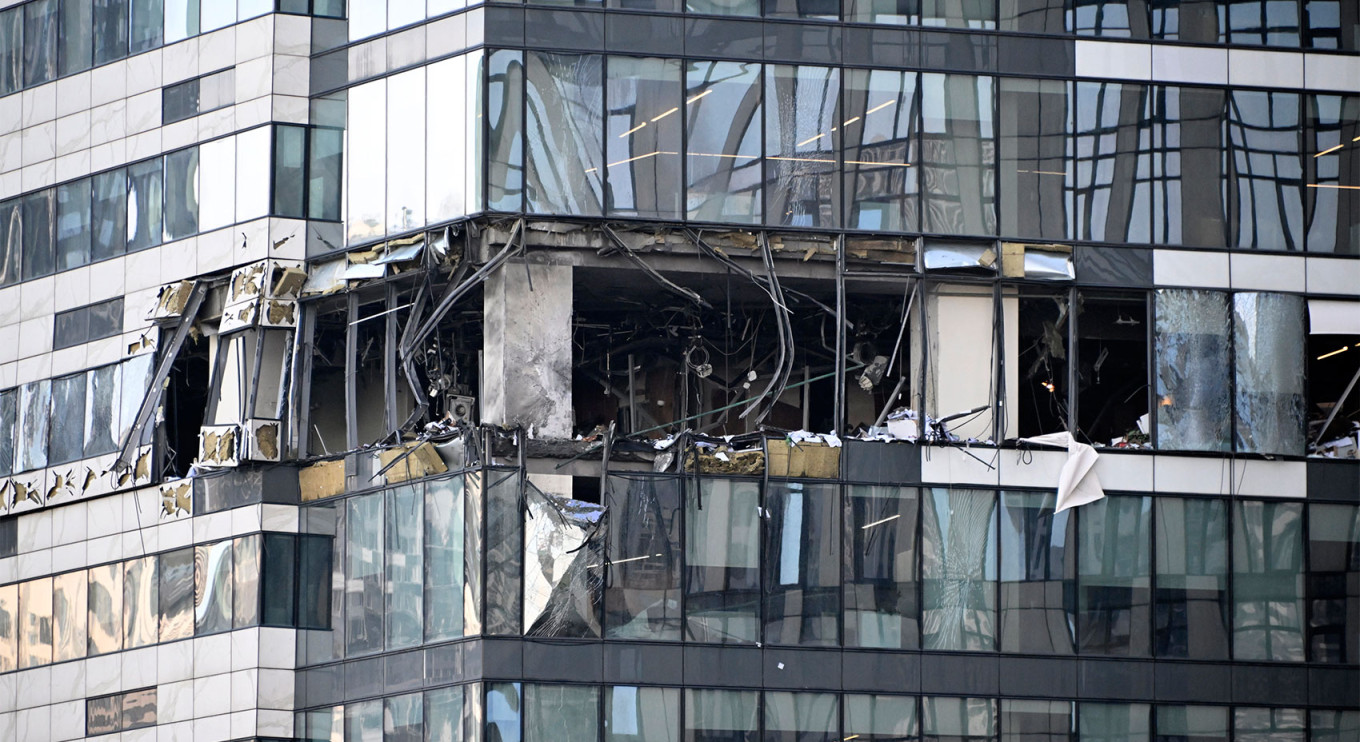
Russia reported that it had shot down 158 drones launched by Ukraine, with some causing fires at the Moscow Oil Refinery and the Konakovo Power Station. While Kyiv has yet to comment on the drone attacks, the damage underscores the growing potency of Ukraine’s aerial capabilities.

In a troubling development, Moscow has hinted at potential revisions to its nuclear doctrine. Russian Deputy Foreign Minister Sergei Ryabkov suggested that changes were underway in response to the West’s involvement in the conflict. Although specifics were not provided, the possibility of lowering the threshold for nuclear use has been floated by some hardliners within Russia’s military establishment. Current Russian doctrine allows for nuclear retaliation in the event of a nuclear or conventional attack that threatens the state’s existence.

The situation in eastern Ukraine remains dire, with Russian forces capturing two more settlements in the Donetsk region and continuing their advance toward Pokrovsk. Despite hopes that Ukraine’s incursion into Russia’s Kursk region might force Moscow to divert troops and ease pressure on the eastern front, Russian forces appear to have maintained their momentum. Ukrainian officials described the situation as “difficult,” with the country’s army chief acknowledging the intense pressure being placed on Ukrainian defenses.

Meanwhile, Ukraine continued to strike back, shelling Russia’s southern Belgorod region, injuring 11 people, including two children. As the conflict grinds on, both sides seem poised for further escalation, with civilian populations increasingly caught in the crossfire.

Ukrainians Brace for Harsh Winter Amidst Power Blackouts

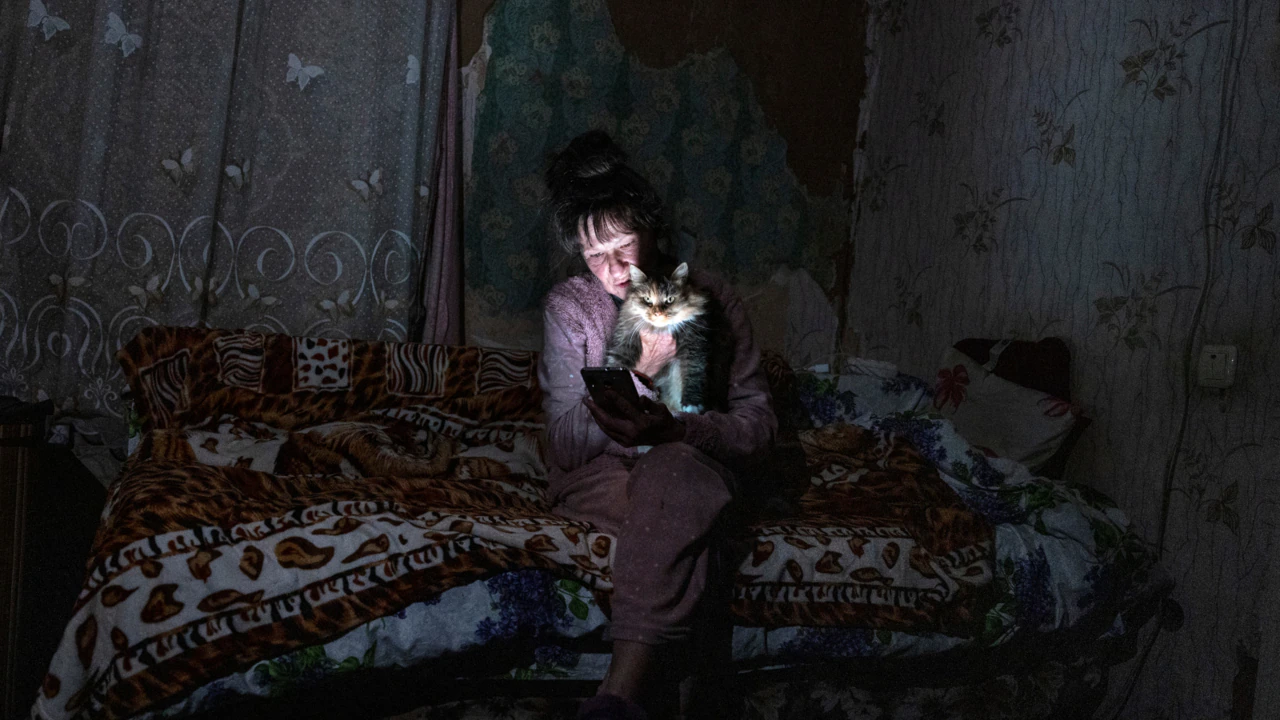
As Russian missiles and drones struck Ukraine’s energy infrastructure on Monday, residents like Victoria Novorzhytska in Zhytomyr faced immediate power and water outages, marking a challenging start to the day. This massive attack, described as Russia’s largest aerial assault to date, resulted in widespread power disruptions, affecting millions across the country. Ukrainian authorities have reported at least 12 fatalities from the strikes, with ongoing damage assessments and recovery efforts.

The Ukrainian government, alongside major energy companies, is grappling with the severe impact on the national grid. DTEK, Ukraine’s largest private energy firm, announced rolling blackouts in major cities such as Kyiv, Odesa, Dnipropetrovsk, and Donetsk. These outages, which sometimes last up to six hours, have become a routine part of daily life, particularly worrying as the colder winter months approach. Prime Minister Denys Shmyhal emphasized the urgency of maintaining energy supply to critical infrastructure and the economy, despite the challenges posed by frequent attacks and the need for extensive repairs.

In response to the persistent threat of blackouts, Ukrainians have adapted by relying on backup power solutions. Kyiv, for example, has set up “points of invincibility” where residents can charge their devices and access the internet during outages. Many businesses and homes have invested in generators and solar panels to ensure some level of energy independence. The city’s mayor, Vitaliy Klitschko, has supported these initiatives through subsidies and tax incentives.

However, the scale of Russia’s attacks has intensified, specifically targeting key energy facilities such as thermal power plants and hydroelectric stations. This strategy aims to cripple Ukraine’s infrastructure and disrupt daily life. Legal expert Olha Matskiv from Global Rights Compliance has criticized these attacks as a tactic to deplete Ukraine’s resources and hinder its economic stability.

Despite the devastation, Ukrainian officials are implementing protective measures for their energy network, including reinforced structures designed to withstand missile strikes. Prime Minister Shmyhal noted that while these defenses have mitigated some damage, the high costs associated with such protection remain a significant concern.

As Ukraine faces this challenging winter, the ongoing conflict and attacks on its power grid underscore the resilience of its people and the critical need for continued support and adaptation.