Yazılar

Schneider Electric to Invest Over $700 Million in U.S. to Support AI Growth and Energy Infrastructure

Schneider Electric announced on Tuesday plans to invest over $700 million in its U.S. operations over the next two years, focusing on strengthening energy infrastructure to support the AI boom, enhance domestic manufacturing, and improve energy security. The investment, slated to continue through 2027, comes amid ongoing tariff threats that could impact the French electrical equipment giant.

The U.S. government, under President Donald Trump, has imposed tariffs on a wide range of products, from aluminum and steel to pharmaceuticals and semiconductor chips. These tariffs have prompted many companies, including Eli Lilly and Apple, to boost their domestic manufacturing efforts. Schneider Electric aims to capitalize on this trend by expanding its facilities in Tennessee, Massachusetts, Texas, Missouri, Ohio, and North and South Carolina. The company also plans to create more than 1,000 new jobs as part of the investment.

In addition to the new $700 million, Schneider Electric has already committed $440 million since 2020 to enhance its U.S. supply chain. With these ongoing investments, the company’s total U.S. investment this decade is set to exceed $1 billion.

“We stand at an inflection point for the technology and industrial sectors in the U.S., driven by incredible AI growth and unprecedented energy demand,” said Aamir Paul, President of North America Operations for Schneider Electric.
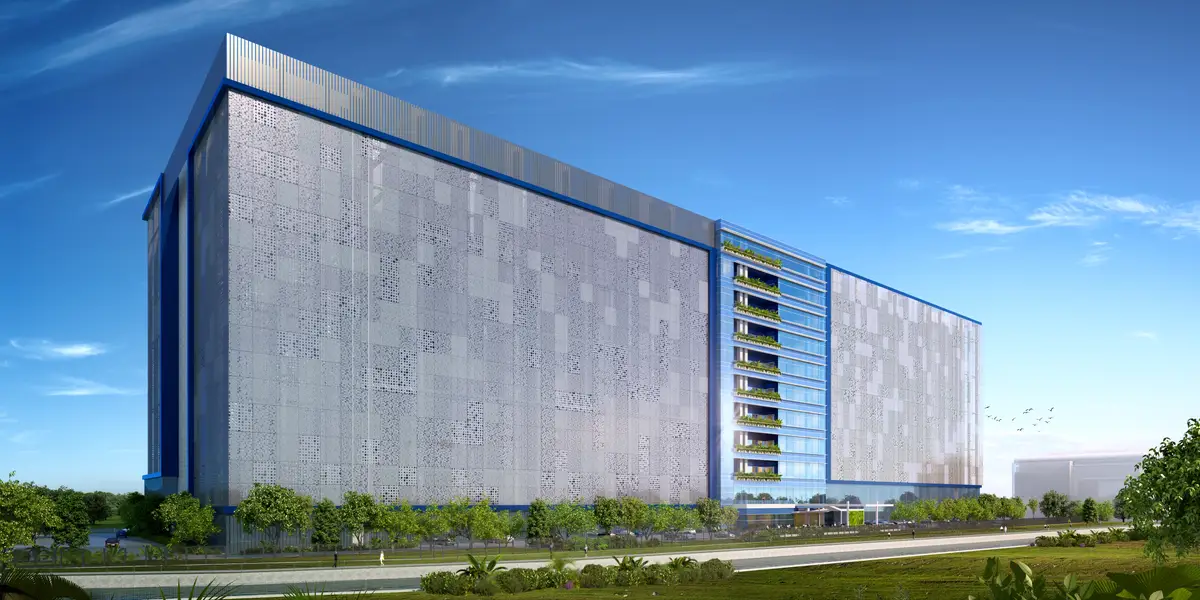
U.S. Grid Faces Strain Amid Surge in AI Data Center Growth

The rapid expansion of AI data centers is raising concerns about the resilience of the U.S. electrical grid, with experts warning that the surge in energy demand could overwhelm the nation’s aging infrastructure. The rapid build-out of massive data centers, which can consume as much power as a mid-sized U.S. city at a single site, is driving electricity consumption to record highs. Government projections estimate that data center demand will triple in the next three years, accounting for 12% of the entire U.S. power supply.

“We are witnessing unprecedented growth, and the challenges the grid is facing are becoming more pronounced,” said Samir Vora, a senior executive at Mitsubishi Power Americas, during an interview at the CERAWeek conference in Houston.

As the demand for electricity rises, traditional fossil fuel-powered generators are being retired, and new generation and power lines are often delayed in interconnection queues, exacerbating the delicate balance required to avoid blackouts.

Mark Christie, who leads the Federal Energy Regulatory Commission (FERC), highlighted the issue at the conference, stressing that the situation has become particularly critical in the PJM Interconnection grid, which serves 13 states and the District of Columbia. This area, home to the world’s largest concentration of data centers, is also crucial for internet traffic, with Virginia alone routing 70% of global internet traffic.

In its latest capacity auction, PJM reported that prices had surged by more than 800% compared to the previous year, citing rising demand and shrinking supply. Manu Asthana, CEO of PJM, expressed cautious optimism, acknowledging that the problem is solvable, though not trivial.

PJM’s peak demand is expected to rise from 152 gigawatts to 184 gigawatts by 2030, with nearly all of the growth driven by data centers. Without substantial investments in new power supply, experts warn that these supply-demand imbalances could spread to other regions across the country, making the situation even more dire.

“It’s going to become more pronounced in other multi-state regions as well,” warned FERC’s Mark Christie, signaling growing concerns about the stability of the grid.

Biden Signs Executive Order to Support AI Data Centers with Federal Power and Land

On Tuesday, President Joe Biden signed an executive order designed to bolster the infrastructure needed for advanced artificial intelligence (AI) data centers. The order, according to the White House, aims to address the growing energy demands of AI by leveraging federal land, particularly from the Departments of Defense and Energy, to host gigawatt-scale AI data centers and new clean power facilities.

Biden emphasized that the initiative would accelerate the development of AI infrastructure in the U.S., promoting economic competitiveness, national security, AI safety, and clean energy. “The next generation of AI infrastructure will be built here in America,” Biden stated, underscoring the importance of aligning the country’s energy and technological sectors.

A key provision of the order mandates that companies using federal land for AI data centers must purchase a portion of American-made semiconductors. The exact number of chips required will be determined on a case-by-case basis for each project. This comes as part of the Biden administration’s broader push to invest over $30 billion in subsidizing U.S. chip production.

Tarun Chhabra, White House technology adviser, pointed out that the increasing demand for computational power to train and operate advanced AI models necessitates the creation of robust infrastructure. By 2028, leading AI developers will require data centers with up to five gigawatts of capacity to support the most sophisticated models.

The executive order also addresses national security concerns by ensuring AI technology remains within the U.S. and allied nations, as the Commerce Department moves forward with additional restrictions on AI chip and technology exports. Chhabra noted that AI systems already present substantial risks, including potential military applications and threats related to biological, chemical, radiological, or nuclear weapons.

The order also instructs agencies to expedite electric grid interconnection, permitting processes, and transmission development surrounding the newly designated federal sites.