Yazılar

India Set to Launch ESA’s Proba-3 Satellites Today: Live Stream and Key Details

ESA’s Proba-3 Satellites Set for Launch Today Aboard India’s PSLV-C59
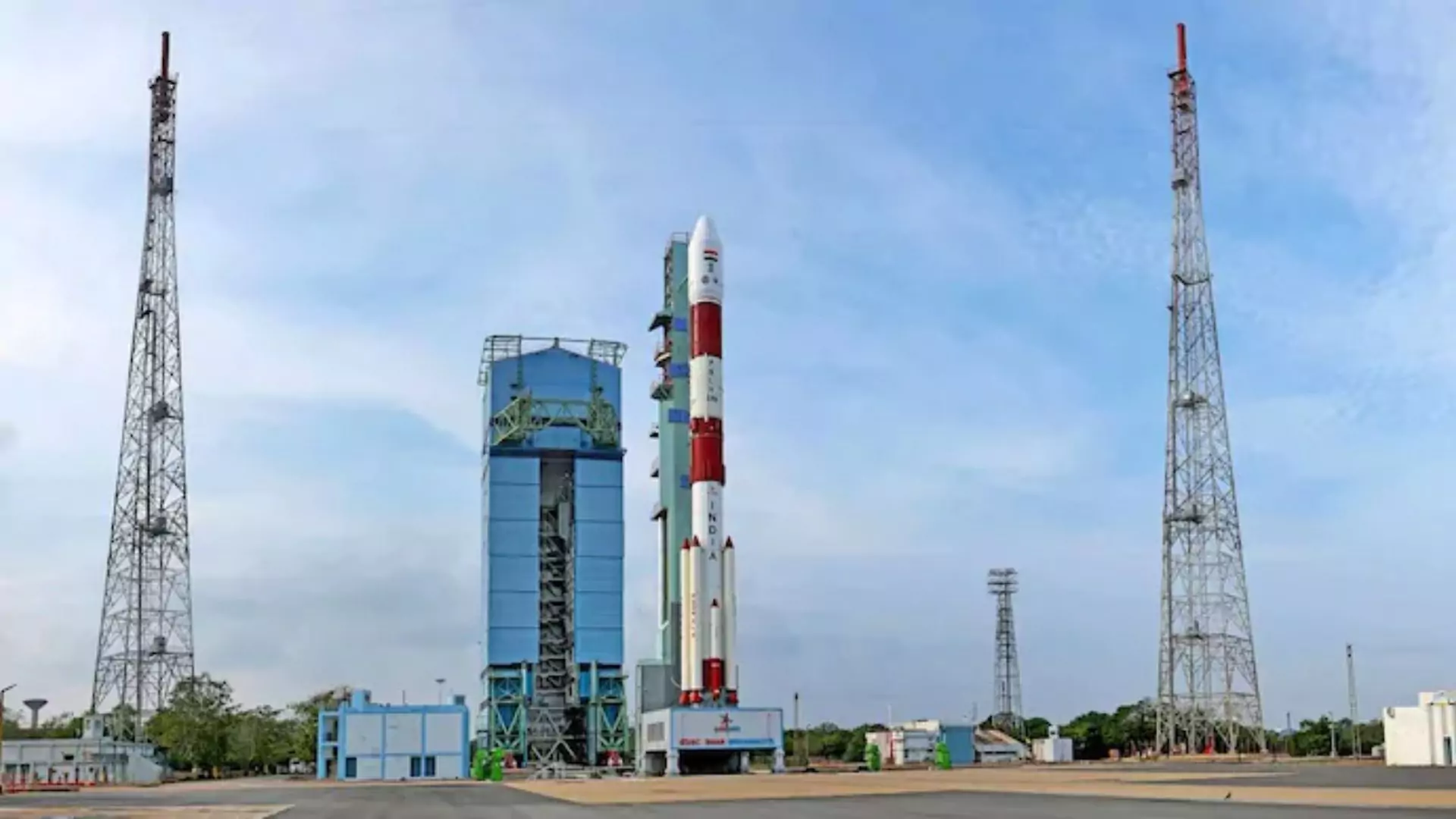
A historic mission by the European Space Agency (ESA) is set to launch today, December 4, 2024, with two advanced satellites that will work together to create artificial eclipses. The Proba-3 formation-flying mission will be launched from India’s Satish Dhawan Space Centre aboard the Polar Satellite Launch Vehicle (PSLV-C59). This mission aims to provide unprecedented insights into the Sun’s corona, marking a significant step forward in solar research.

Live Streaming and Launch Details
The Proba-3 satellites are scheduled to lift off at 4:08 PM IST. This remarkable event will be broadcast live, and space enthusiasts around the world can watch the launch via ISRO’s official YouTube channel. The Indian Space Research Organisation (ISRO) will also offer real-time updates through their social media channels, ensuring that followers can stay informed about the mission’s progress and key moments throughout the launch.

About the Proba-3 Mission
The Proba-3 mission involves two satellites flying in tandem to simulate a solar eclipse, allowing scientists to study the Sun’s outermost layer—the corona. This innovative formation flying technique will offer new opportunities for observing solar phenomena that are typically obscured by the Sun’s intense light. The Proba-3 satellites, which are equipped with advanced instruments, will gather crucial data that could help further our understanding of space weather and solar activity.

What to Expect from the Launch
The launch of the Proba-3 satellites represents not only a leap forward in solar research but also a continuation of the strong collaboration between ESA and ISRO. As India continues to make strides in space exploration, today’s launch highlights the country’s growing role in global space missions. Fans of space exploration can follow along with the live coverage to witness this exciting milestone in real-time.
ISRO’s PSLV-C59 Set to Launch ESA’s Proba-3 Mission for Solar Corona Exploration

ISRO’s PSLV-C59 Gears Up for ESA’s Proba-3 Solar Corona Mission
The Indian Space Research Organisation (ISRO) is set to launch the PSLV-C59 rocket on December 4, 2024, at 4:08 PM IST, carrying the European Space Agency’s (ESA) Proba-3 mission. This commercial launch, managed by NewSpace India Limited (NSIL), will take place from the First Launch Pad at the Satish Dhawan Space Centre, Sriharikota. Notably, this will mark the 61st mission of ISRO’s workhorse Polar Satellite Launch Vehicle (PSLV) and the 21st instance of its XL configuration being deployed.

Proba-3: A Unique Formation-Flying Demonstration
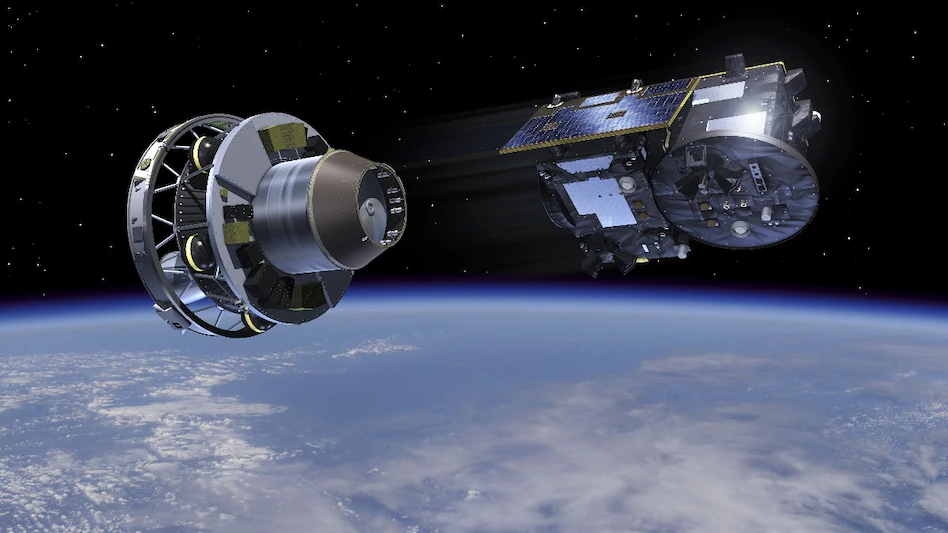
The Proba-3 mission represents an In-Orbit Demonstration (IOD) initiative by ESA, focused on precision formation flying. The spacecraft comprises two components: the Coronagraph Spacecraft (CSC) and the Occulter Spacecraft (OSC), which will function in a coordinated manner. Launched as a single unit, the satellites will separate in orbit and maintain an exact distance of 150 meters to replicate an artificial solar eclipse. This innovative arrangement will enable unprecedented observations of the Sun’s corona by blocking its direct light with the occulter.

Exploring the Mysteries of the Sun’s Corona
The mission’s primary goal is to study the Sun’s corona, the outermost layer of its atmosphere, which plays a crucial role in influencing solar dynamics and space weather. The corona is difficult to observe from Earth due to the Sun’s intense brightness, but Proba-3’s advanced instruments will overcome this challenge. Using the occulter to shield direct sunlight, the spacecraft will allow scientists to conduct continuous corona observations for up to six hours, capturing detailed data on solar eruptions, magnetic field interactions, and plasma behavior.

Global Collaboration in Space Science
The Proba-3 mission underscores the growing importance of international collaboration in advancing space science. By partnering with ESA, ISRO continues to demonstrate its capability to support complex missions requiring precision and innovation. The data collected by Proba-3 is expected to benefit not just solar physics research but also global efforts to improve predictions of space weather, which can impact satellite operations, communication systems, and power grids on Earth. This launch marks another milestone in India’s expanding role in the global space industry.

Solar Orbiter Captures Record-Breaking Images of the Sun’s Surface

Unveiling the Sun’s Secrets

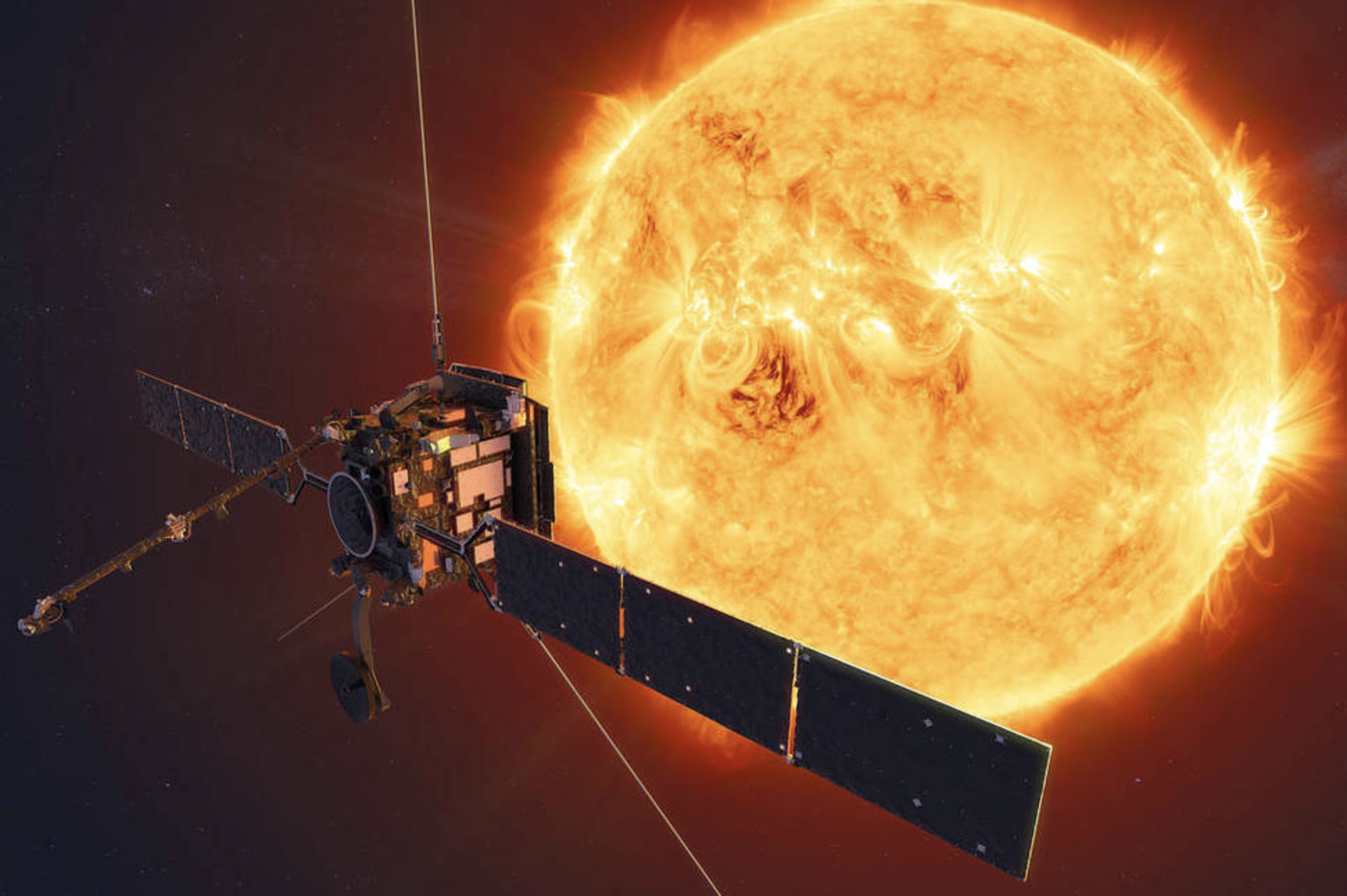
The Solar Orbiter mission has captured the highest-resolution images of the sun’s surface, offering unprecedented insights into the dynamics of our star. These stunning visuals reveal intricate details of sunspots, plasma movements, and the magnetic fields that govern solar activity, providing scientists with valuable data to further understand solar phenomena.

The images, taken on March 22, 2023, and released this week, were captured using the spacecraft’s Extreme Ultraviolet Imager (EUI) and Polarimetric and Helioseismic Imager (PHI). Positioned 46 million miles from the sun, the Solar Orbiter, a joint mission by the European Space Agency (ESA) and NASA, captured these extraordinary views, marking a significant leap in heliophysics research.

Cutting-Edge Observations

The Solar Orbiter’s PHI instrument produced the sharpest full-surface views of the sun’s photosphere, where temperatures range between 8,132°F and 10,832°F (4,500°C and 6,000°C). These images reveal sunspots, dark regions caused by the sun’s strong magnetic fields, which disrupt convection and make the spots cooler and darker than their surroundings.

The PHI also created detailed magnetic maps, or magnetograms, showing magnetic field concentrations in sunspot areas. A velocity map, or tachogram, highlighted the speed and direction of plasma flows across the surface, with blue regions indicating movement toward the spacecraft and red regions moving away.

Meanwhile, the EUI focused on the sun’s corona, its outermost atmosphere, where temperatures soar to 1.8 million degrees Fahrenheit (1 million degrees Celsius). The corona’s glowing plasma structures, protruding from sunspot regions, were vividly captured, helping scientists probe why this layer is significantly hotter than the surface below.

Each image released by the Solar Orbiter is a mosaic of 25 individual shots, meticulously pieced together due to the spacecraft’s need to rotate while capturing the sun’s entire face.

Complementing Parker Solar Probe

While NASA’s Parker Solar Probe will soon make its closest approach to the sun, coming within 3.86 million miles on December 24, its mission lacks imaging capabilities due to its proximity to extreme heat. Solar Orbiter’s imaging instruments, however, are filling this gap, offering complementary data for scientists studying the sun’s magnetic field, solar winds, and other phenomena.

“The closer we look, the more we see,” said Mark Miesch, a NOAA scientist. “These high-resolution images bring us closer to understanding the sun’s intricate interplay of magnetic fields and plasma flows.”

Solar Activity Peaks

Solar Orbiter’s observations come at an opportune time, as the sun has reached its solar maximum — the peak of activity in its 11-year cycle. During this phase, sunspots proliferate, magnetic poles flip, and solar activity increases, generating phenomena such as flares and coronal mass ejections (CMEs). These events produce space weather that can affect Earth’s power grids, satellites, and communication systems.

The sun’s heightened activity also creates spectacular auroras, with charged particles from CMEs interacting with Earth’s atmosphere to produce the northern and southern lights.

Solar Orbiter’s mission aligns with this dynamic period, allowing scientists to correlate its high-resolution imagery with real-time solar activity.

Paving the Way for Solar Science

With its groundbreaking instruments, Solar Orbiter is helping answer fundamental questions about the sun, such as the origin of solar winds and the reason behind the corona’s extreme temperatures. Together with the Parker Solar Probe, these missions are reshaping our understanding of the sun’s impact on the solar system and Earth.