Yazılar

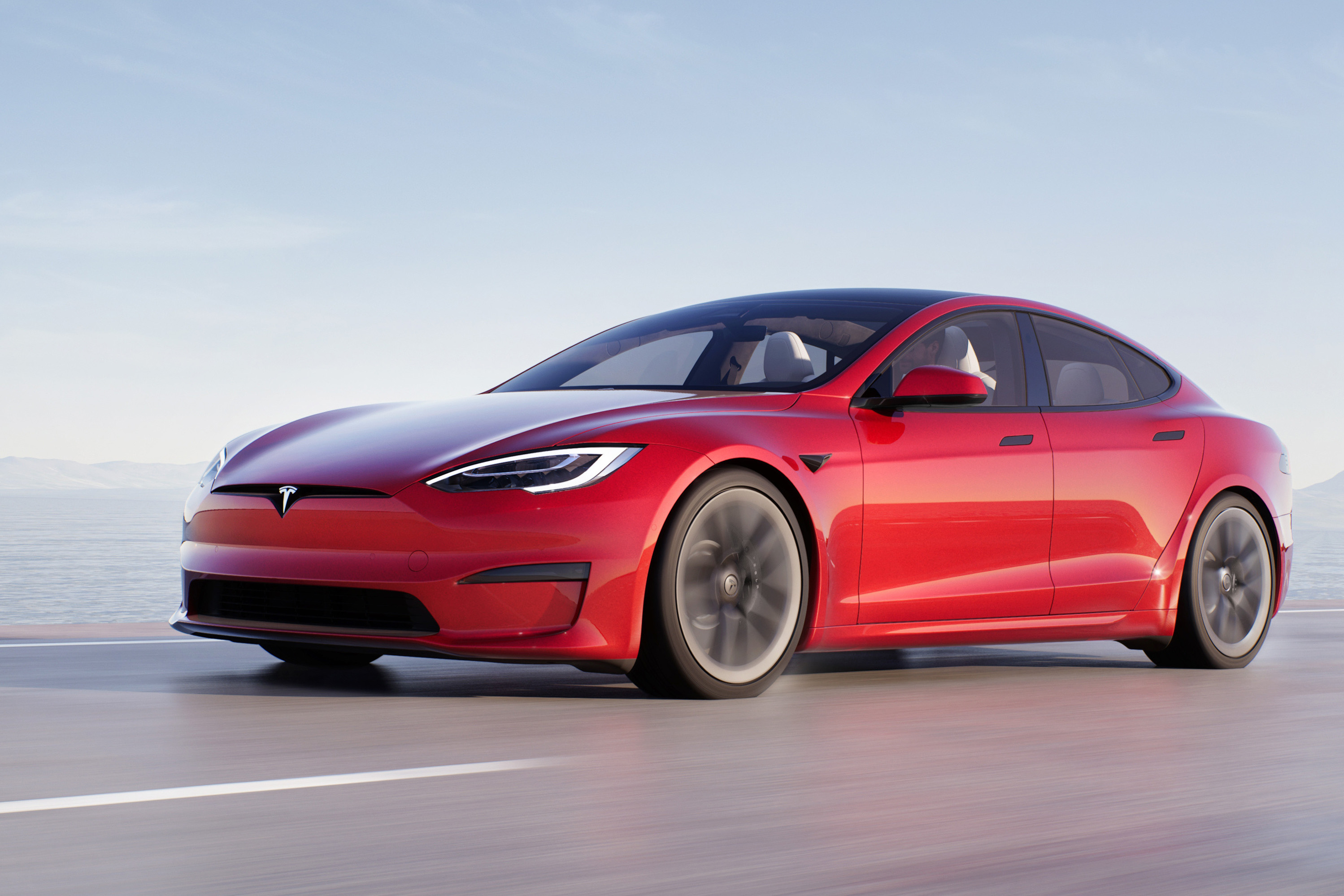
Tesla Achieves Record China Sales in 2024 Amid Global Decline

Tesla’s performance in China hit a new high in 2024, with sales rising 8.8% to over 657,000 vehicles, even as global deliveries fell for the first time in the company’s history. In December, Tesla China recorded its highest monthly sales of 83,000 units, marking a 12.8% increase from the previous month. China accounted for 36.7% of Tesla’s total deliveries, solidifying its position as the company’s second-largest market.

Despite Tesla’s strong performance in China, global deliveries slipped by 1.1%, falling short of CEO Elon Musk’s earlier prediction of slight growth. Contributing factors included a 24% drop in exports from China, reduced subsidies in Europe, increased competition from Chinese EV makers like BYD, and a growing U.S. preference for lower-priced hybrid vehicles.

Tesla’s Shanghai plant, the company’s most productive factory, saw a 3.3% decline in sales of its China-made Model 3 and Model Y vehicles, including domestic and export markets. Total exports from China fell to 260,000 units, the lowest since 2021. Exports to Europe were particularly affected by the EU’s subsidy investigation into Chinese EVs, resulting in an October tariff of 7.8% on Tesla cars from China.

China Leads Global EV Growth

China remained the only major market with robust EV growth in 2024, accounting for 70% of global EV and hybrid sales. Over 90% of the increase in global EV sales originated in China, underscoring the country’s dominance in the electric vehicle sector. John Zeng, head of market forecasting at GlobalData, noted that China’s growth starkly contrasts with stagnation or decline in other markets.

Tesla maintained a narrow lead in global sales, delivering 1.79 million cars, just ahead of BYD’s 1.76 million units. However, BYD outpaced Tesla in growth, with a 12.1% increase in EV sales globally and a 41% surge in total passenger vehicle sales, reaching over 4.25 million units. BYD’s overseas sales rose 71.9% to 417,204 units, though it fell short of its 450,000-unit export target due to a 17% EU tariff.

Tesla’s Strategic Adjustments

Amid fierce competition and an ongoing price war in China, Tesla has extended a 10,000-yuan ($1,369.99) discount for loans on its Model Y and offered zero-interest financing for up to five years on some Model 3 and Model Y cars. These incentives aim to maintain Tesla’s competitive edge in a market dominated by aggressive cost-cutting strategies from rivals like BYD.

Challenges and Investigations

Tesla downsized its global workforce in response to declining demand and heightened competition. Similarly, BYD faced challenges, including an investigation by Brazilian authorities into the working conditions of Chinese laborers at a construction site for a BYD factory in Brazil. Nearly 20% of BYD’s overseas sales came from Brazil, highlighting its importance as a growing market despite these setbacks.
 

China’s Car Sales Surge in November, EVs Lead the Charge

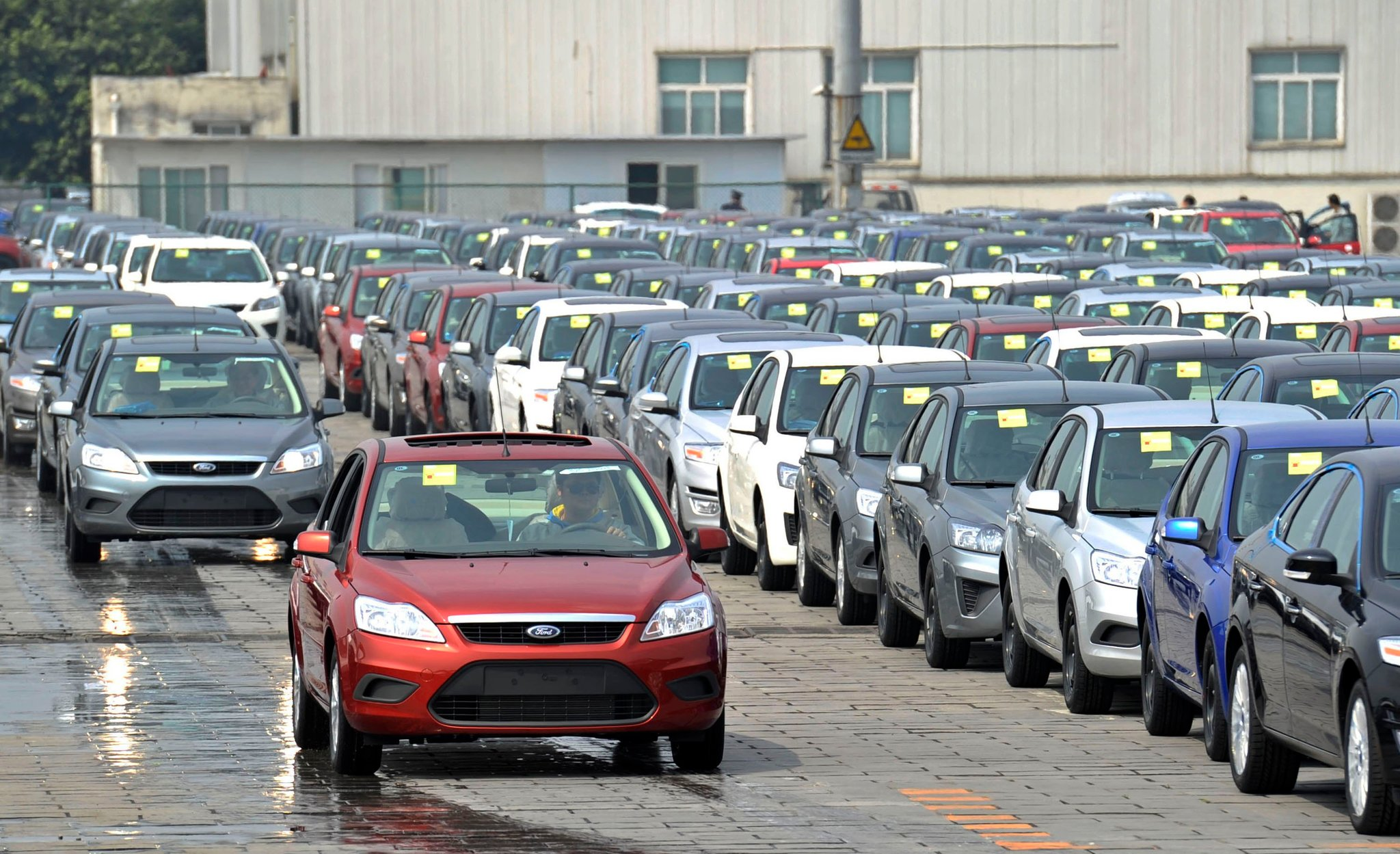
China’s car sales surged 16.6% in November compared to the same period last year, marking the fastest growth since January. This increase, which saw a total of 2.45 million vehicles sold, is driven by a rise in government-subsidized auto trade-ins as the year draws to a close. For the first 11 months of 2024, total car sales have increased by 4.4% year-on-year, reflecting a steady recovery in the market.


Electric Vehicles Dominate

Electric vehicles (EVs), plug-in hybrids, and extended-range vehicles saw a remarkable 50.5% increase in sales, now accounting for 51.8% of total car sales in the country. This marks the fifth consecutive month that battery-powered cars, including plug-ins, have outsold traditional gasoline-powered vehicles in China, the world’s largest car market.

GM to Sell Stake in Battery Cell Plant to LG Energy Solution for $1 Billion

General Motors (GM) has announced its decision to sell its stake in a $2.6 billion electric vehicle (EV) battery cell plant in Lansing, Michigan, to its joint venture partner, LG Energy Solution (LGES). The Detroit-based automaker expects to recoup approximately $1 billion from the sale, which is part of a nonbinding agreement between the two companies. This transaction is expected to be completed in the first quarter of 2024.

The Lansing facility, a 2.8 million-square-foot plant, is nearly finished and was initially planned to be the third battery cell production site for their joint venture, Ultium Cells LLC, following operational plants in Ohio and Tennessee. The plant was first announced in January 2022, and GM and LGES formed their partnership five years ago.

GM’s decision to sell its stake is driven by the need to adjust production to meet current EV market conditions, including slower-than-expected consumer demand and uncertainties surrounding federal incentives for EV manufacturing and sales in the U.S. under President-elect Donald Trump. However, GM emphasized that the sale would not affect its overall stake in the joint venture or its plans for a separate joint venture with LGES competitor Samsung SDI.

Paul Jacobson, GM’s Chief Financial Officer, expressed confidence that the deal would enable the automaker to continue growing in the EV market efficiently. He stated, “We believe we have the right cell and manufacturing capabilities in place to grow with the EV market in a capital efficient manner.” Jacobson added that the sale would also help LG Energy Solution meet growing demand by utilizing the nearly ready Lansing facility.

Following the sale, LGES will gain immediate access to the Lansing plant to begin installing equipment, as the facility prepares for operations, expected by the end of 2023. The plant currently employs around 100 people.

In addition to the sale, GM also revealed it is extending its 14-year battery technology partnership with LGES to develop prismatic cells, an emerging battery form factor. Prismatic cells, which are flat and rectangular, offer more efficient space utilization within battery modules and packs. GM highlighted that these cells could reduce the weight and cost of EVs while simplifying the manufacturing process.

Kurt Kelty, GM’s vice president of battery cell and pack, noted, “We’re focused on optimizing our battery technology by developing the right battery chemistries and form factors to improve EV performance, enhance safety, and reduce costs.” The expansion of GM’s battery technologies will also include prismatic cells in addition to its current Ultium pouch-style cells.