
Yazılar

US Asks Nvidia to Investigate Unauthorized Exports of AI Chips to China

The U.S. Department of Commerce has reportedly asked Nvidia to investigate how the company’s artificial intelligence (AI) chips have ended up in China over the past year, according to a Thursday report by The Information. The investigation follows concerns over the potential unauthorized diversion of Nvidia products to Chinese entities, despite U.S. export restrictions.

Investigation into Distribution Channels

Nvidia has enlisted major distributors, including Super Micro Computer and Dell Technologies, to conduct spot checks of their customers in Southeast Asia. Nvidia’s AI chips are embedded in servers made by Super Micro and Dell, and the company is reportedly looking into how these chips may have been redirected to China without the required licenses.

The report suggests that multiple individuals involved in smuggling Nvidia chips have managed to evade detection during recent inspections conducted by Super Micro. The smuggling tactics reportedly involved duplicating serial numbers from Nvidia servers or altering them within the server’s operating system to disguise their origin.

Nvidia’s Response and Policies

In response, an Nvidia spokesperson reiterated the company’s commitment to adhering to U.S. export control regulations, stressing that any unauthorized diversion of its products would be detrimental to its business. Nvidia also insisted that its customers and partners must strictly follow these regulations, including prohibitions on grey market resales.

Both Dell and Super Micro have also emphasized their compliance with U.S. export laws. Dell stated that it requires all distributors and resellers to follow export controls and would sever relationships with any partner found to be non-compliant. Super Micro similarly asserted that it investigates and acts against any unauthorized exports, affirming its commitment to U.S. regulations.

Broader Context: U.S. Crackdown on Chinese Exports

This investigation comes as the Biden administration intensifies its crackdown on Chinese access to high-end AI chips. The U.S. government has already broadened its ban on the sale of advanced AI chips to China, including a move to limit semiconductor exports to 140 companies, including chip equipment makers, earlier this month. Despite these restrictions, there have been reports that Chinese universities and research institutions have still been able to procure Nvidia chips through resellers.
 

U.S. Implements New Restrictions on China’s Semiconductor Industry

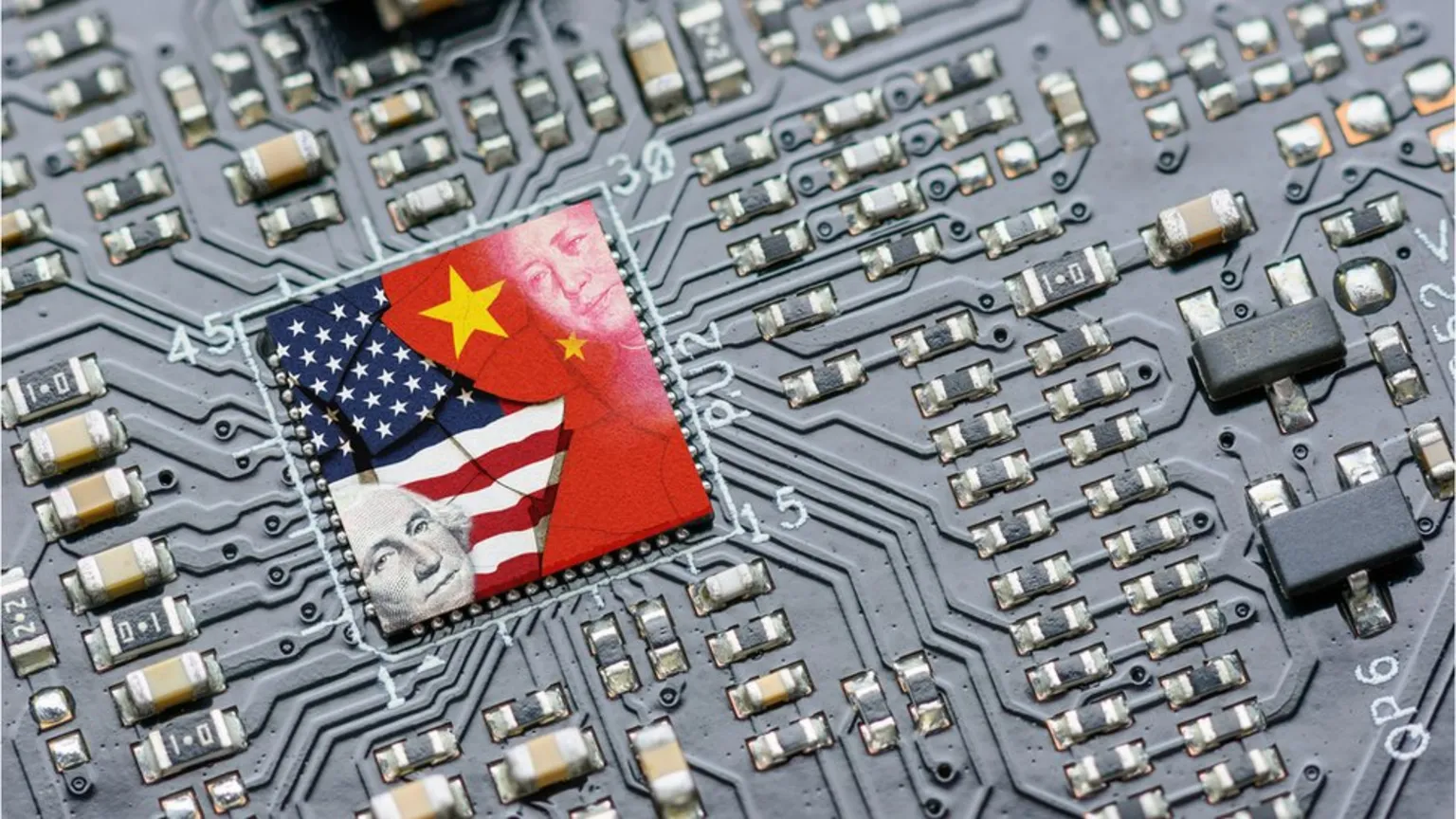
The United States unveiled a new wave of export controls on Monday targeting China’s semiconductor sector. The measures aim to restrict access to advanced chipmaking technologies that could bolster China’s AI and military capabilities. This marks the third significant U.S. crackdown on China’s semiconductor ambitions in three years.

Key Components of the New Restrictions

  1. Expanded Export Controls
    • New Targets: The U.S. added 140 entities, including Naura Technology Group, Piotech, and SiCarrier Technology, to its export restriction list.
    • High Bandwidth Memory (HBM) Chips: Restrictions now apply to advanced HBM chips critical for AI applications.
    • Tool and Equipment Curbs: New controls affect 24 chipmaking tools and three software tools essential for semiconductor production.
  2. Impacted Companies
    • Chinese Firms: Companies such as Swaysure Technology, Qingdao SiEn, and Shenzhen Pensun Technology were added to the Entity List, barring them from receiving U.S. shipments without special licenses.
    • International Suppliers: Major players like Lam Research, KLA, Applied Materials, and Dutch firm ASM International are likely to be affected.
  3. Foreign Direct Product Rule
    • Scope Expansion: The U.S. will regulate foreign-made equipment containing any U.S. chips, with exemptions for Japan and the Netherlands.
    • Affected Regions: Equipment from countries like Israel, South Korea, Taiwan, and Singapore will fall under U.S. controls.
  4. Investment Restrictions
    • For the first time, private equity and tech investment firms, including Wise Road Capital and Wingtech Technology, are included in the Entity List.

U.S. Objectives and Global Implications

The Biden administration aims to stymie China’s ability to produce advanced chips, particularly those used in artificial intelligence and defense. The move underscores bipartisan U.S. concerns over China’s tech ambitions, which are viewed as a national security threat.

China’s Response

Chinese officials criticized the measures, accusing the U.S. of undermining global trade and disrupting supply chains. Beijing vowed to protect the rights of its companies but did not provide specifics on retaliatory actions.

Industry Impact

  • Chinese Semiconductor Industry: The restrictions intensify challenges for China, which is striving for self-reliance in chipmaking but lags behind global leaders like Nvidia and ASML.
  • International Suppliers: Companies like Samsung, SK Hynix, and Micron may face disruptions, particularly in sales of HBM chips to China. Analysts estimate that China accounts for 30% of Samsung’s HBM chip sales.

Historical Context

The latest restrictions build on prior U.S. measures, including sweeping controls introduced in October 2022. These represent the most significant shifts in U.S. tech policy toward China since the 1990s.


U.S. Orders TSMC to Halt AI Chip Shipments to China Amid Escalating Tech Export Controls

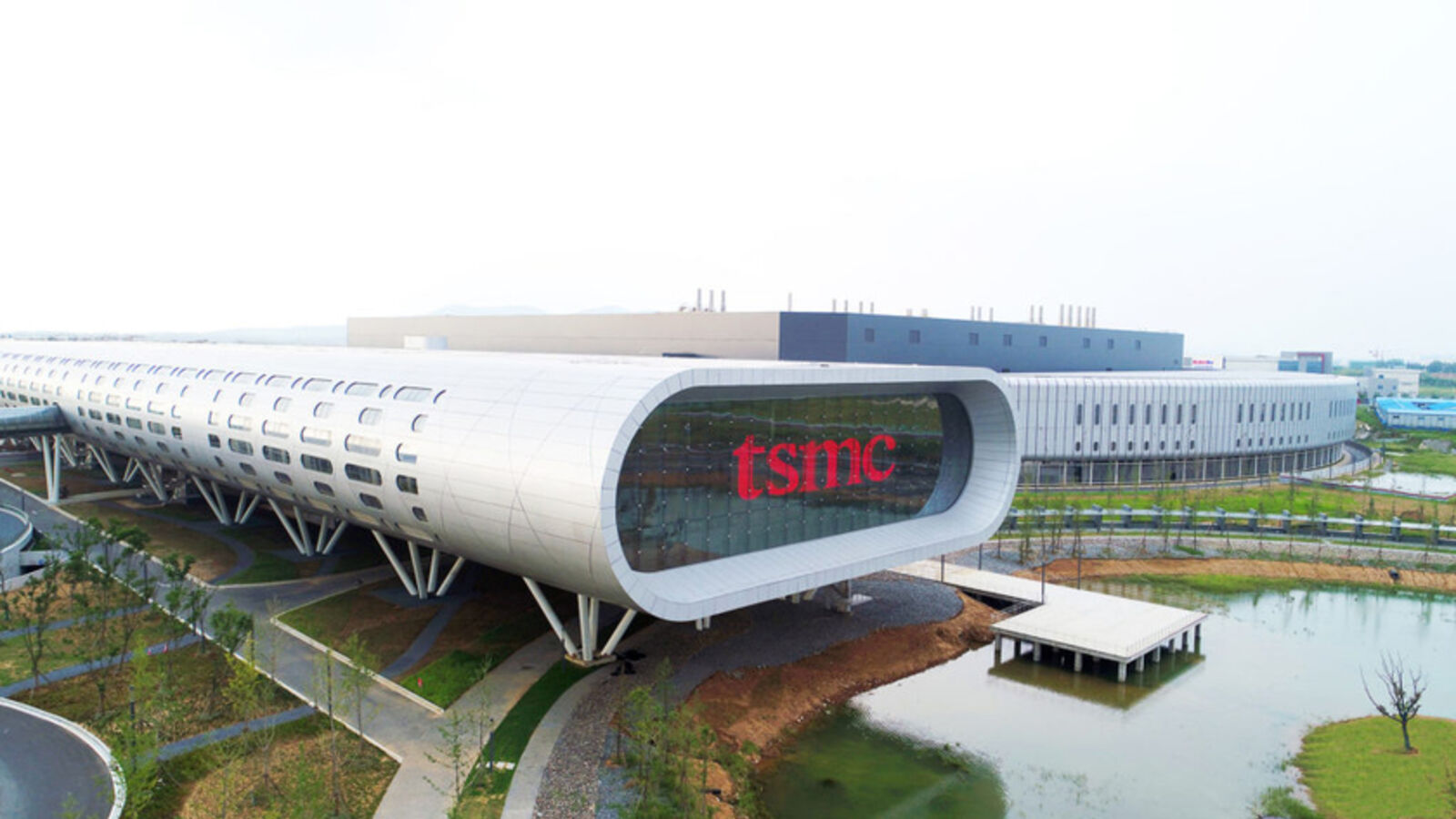
The U.S. government has directed Taiwan Semiconductor Manufacturing Co. (TSMC) to cease shipments of advanced chips used in artificial intelligence (AI) applications to Chinese customers as of Monday. According to a source familiar with the order, the U.S. Department of Commerce issued a notice to TSMC restricting the export of specific advanced chips, including 7-nanometer designs and below, often deployed in AI accelerators and GPUs, to Chinese entities.

This new export restriction follows recent revelations by TSMC regarding one of its chips found within a Huawei AI processor. Tech Insights, a technology research firm, had disassembled the Huawei processor and discovered TSMC’s involvement, potentially indicating an export control breach. Huawei, which is on the U.S. restricted trade list, is required to secure special licensing for any U.S.-derived technology imports. Such licenses are unlikely to be granted if they would benefit Huawei’s AI capabilities.

In response to the U.S. directive, TSMC has begun notifying Chinese clients affected by the suspension of AI and GPU chip shipments, including Sophgo, a China-based chip designer that used similar TSMC technology in a Huawei product. It remains unclear how the chip ended up in Huawei’s Ascend 910B AI processor, one of China’s most advanced AI chips.

The latest U.S. clampdown comes as lawmakers on both sides of the aisle have voiced concerns about the efficacy and enforcement of export controls on China. In recent years, the Commerce Department has issued similar restrictions to companies like Nvidia, AMD, and several chip equipment manufacturers to limit AI-related technology exports to China. Restrictions initially introduced via “is-informed” letters, like those now sent to TSMC, were later formalized into broader regulatory rules affecting additional companies.

This move reflects Washington’s continuing strategy to limit China’s access to advanced AI and chipmaking technologies. The Biden administration has drafted new export control rules targeting Chinese chipmaking and related companies and aimed to update the Commerce Department’s entity list, which would include over 120 Chinese companies. However, despite these plans, the proposed rules remain delayed, missing anticipated release dates earlier this year.