
Yazılar

Semiconductor Groups Criticize Biden Administration’s New Export Controls

A coalition of semiconductor and manufacturing trade groups has expressed concern over new export control regulations announced by the Biden administration, claiming they were rushed through without proper industry consultation. In a private letter dated January 13 and addressed to U.S. President Joe Biden, groups such as the Semiconductor Industry Association (SIA) and SEMI voiced objections to new rules that could affect the global distribution of advanced computing chips.

The Biden administration’s regulations, released on Monday, introduced a three-tier system governing the placement of U.S.-made chips, including those from companies like Nvidia, in AI data centers. These rules mandate that most countries will need to obtain licenses to use these chips in such projects.

In their letter, the trade groups expressed concerns over an additional rule expected to be announced soon, which would impose even stricter controls on high-bandwidth memory, a critical component for AI chips. The groups argued that these regulations were being implemented without adequate input from industry stakeholders, raising fears about the impact on U.S. companies and the potential to shift market share to international competitors.

High-bandwidth memory is primarily produced by U.S. and South Korean firms, and the new rules could limit its sale to China. A source familiar with the upcoming regulations indicated that the measures might also reverse a previous interpretation, potentially reducing revenue for companies like Lam Research, which supplies chip-making equipment to China. Lam Research has yet to comment.

Netherlands to Expand Export Controls on Semiconductor Equipment

The Dutch government has announced an expansion of its export controls on advanced semiconductor equipment, effective from April 1. The new measures, which build on restrictions first introduced in 2023 under U.S. pressure, will require companies to seek export licenses for a narrow set of technologies. These include equipment used for measuring and inspecting semiconductor wafers, which play a critical role in the chipmaking process.

Despite the expansion of export controls, Dutch chip equipment company ASML has stated that the new regulations are not expected to affect its business. ASML maintained that the updated rules, which were outlined in the Netherlands’ state legal newspaper, align with previous guidance it issued in December. This guidance followed new restrictions announced by the U.S. government targeting semiconductor exports to China.

The Dutch trade ministry highlighted that such rule adjustments may occur periodically due to ongoing technical developments in the semiconductor industry.


US Targets Chinese Companies Over AI Chips and Military Concerns

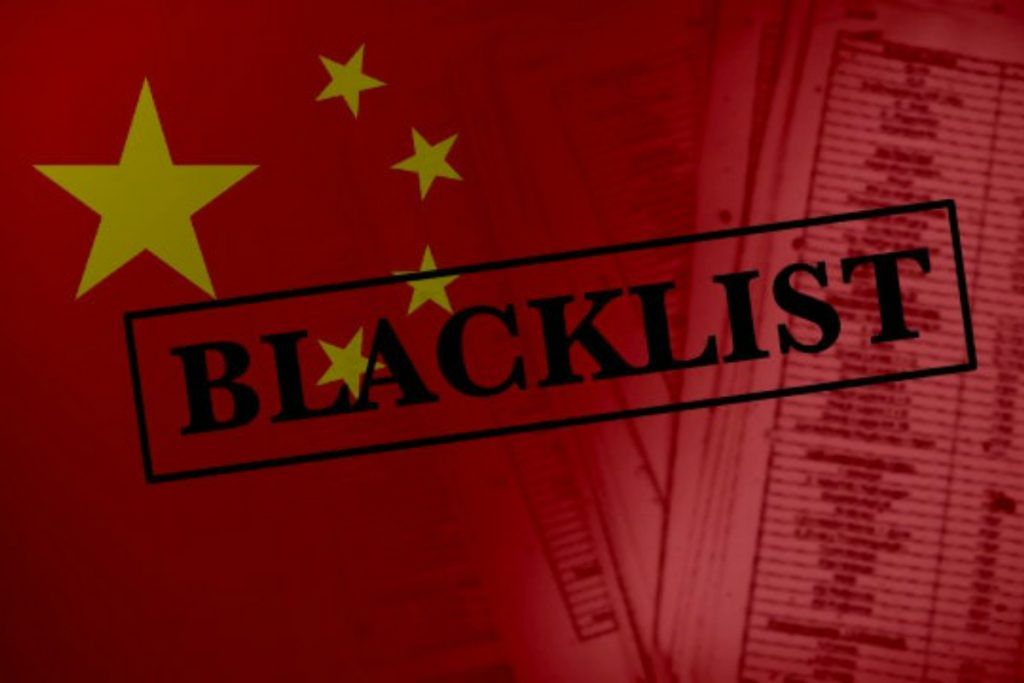
The Biden administration has blacklisted more than two dozen Chinese entities, including Zhipu AI, a prominent developer of large language models, and Sophgo, a company implicated in using Taiwan Semiconductor Manufacturing Company (TSMC) chips for Huawei’s AI processors. This move is part of the U.S.’s ongoing efforts to curb China’s access to advanced technology, particularly in the fields of artificial intelligence (AI) and military applications.

The U.S. Commerce Department added 25 Chinese companies, along with two Singapore-based companies, to its Entity List, effectively restricting their access to U.S. goods and technology without special licenses, which are typically denied. Zhipu AI, backed by major investors like Alibaba and Tencent, was blacklisted for its involvement in advancing China’s military AI capabilities. Sophgo, which supplied a chip found in Huawei’s Ascend 910B AI system, also came under scrutiny for its role in supporting Huawei’s AI ambitions, a company already restricted since 2019.

In response, Zhipu AI denied the allegations, claiming the decision lacked factual basis and wouldn’t significantly impact its operations. Similarly, Sophgo, an affiliate of Bitmain, a leading bitcoin mining equipment supplier, also rejected claims of any direct ties with Huawei.

The U.S. also implemented stricter rules for the export of semiconductors, specifically those used in AI applications, particularly targeting advanced chips at or below 14 or 16 nanometer nodes. The new regulations aim to prevent these chips from being used in military technologies or high-tech surveillance systems, further tightening restrictions on Chinese companies like Changxin Memory Technologies, a major DRAM producer.

The expanded controls also hold chipmakers accountable for ensuring that their products do not end up in the hands of restricted entities, including companies potentially linked to Huawei’s operations.

These moves are part of broader efforts by the U.S. to limit China’s access to critical technology, especially in areas like AI and advanced military systems, and to curtail the risk of sensitive technologies being diverted to entities like Huawei.