Yazılar

Meta Allegedly Preparing to Integrate ‘Hundreds of Thousands’ of AI Users into Facebook and Instagram

Meta is reportedly preparing to introduce a significant change to its social media platforms by adding artificial intelligence (AI) bots that will behave like regular user accounts. According to recent reports, the tech company aims to deploy AI-powered characters that can perform actions typically carried out by human users, such as posting, liking, sharing, and interacting with content. These AI bots are expected to be integrated into both Facebook and Instagram, further expanding the role of AI in social media.

The plan follows Meta’s earlier efforts to introduce AI features, with the company already allowing users to create AI characters since last July. However, this feature has been limited to the United States, and the AI characters created by users cannot be made public. The move to introduce AI-powered accounts as part of a broader vision is seen as a significant step toward fully integrating AI into the social media experience, something Meta has been working toward for some time.

Meta has already taken initial steps to weave AI into its platforms in various ways. The company has rolled out the Meta AI chatbot, integrated AI writing tools for Instagram DMs, and introduced AI avatars for influencers and content creators. The next major development, according to Connor Hayes, Meta’s Vice President of Product for Generative AI, is the launch of AI-powered user accounts. He explained that these accounts will be designed to function similarly to human profiles, with bios, profile pictures, and the ability to generate and share content across the platforms.

The vision behind these AI accounts is to make them an organic part of the social media experience, blending seamlessly with real user accounts. As AI technology continues to evolve, Meta’s integration of AI characters could redefine user engagement on Facebook and Instagram, offering new possibilities for content creation and interaction. While details about the rollout are still emerging, the move represents Meta’s commitment to enhancing its platforms with cutting-edge AI features.

Meta Appoints Joel Kaplan as Chief Global Affairs Officer, Replacing Nick Clegg

Meta Platforms has named Joel Kaplan, a prominent Republican and long-time executive at the company, as its new Chief Global Affairs Officer, replacing Nick Clegg. The leadership change comes as Meta navigates its relationship with President-elect Donald Trump, who has criticized the company’s handling of political content and threatened legal actions against its CEO, Mark Zuckerberg.

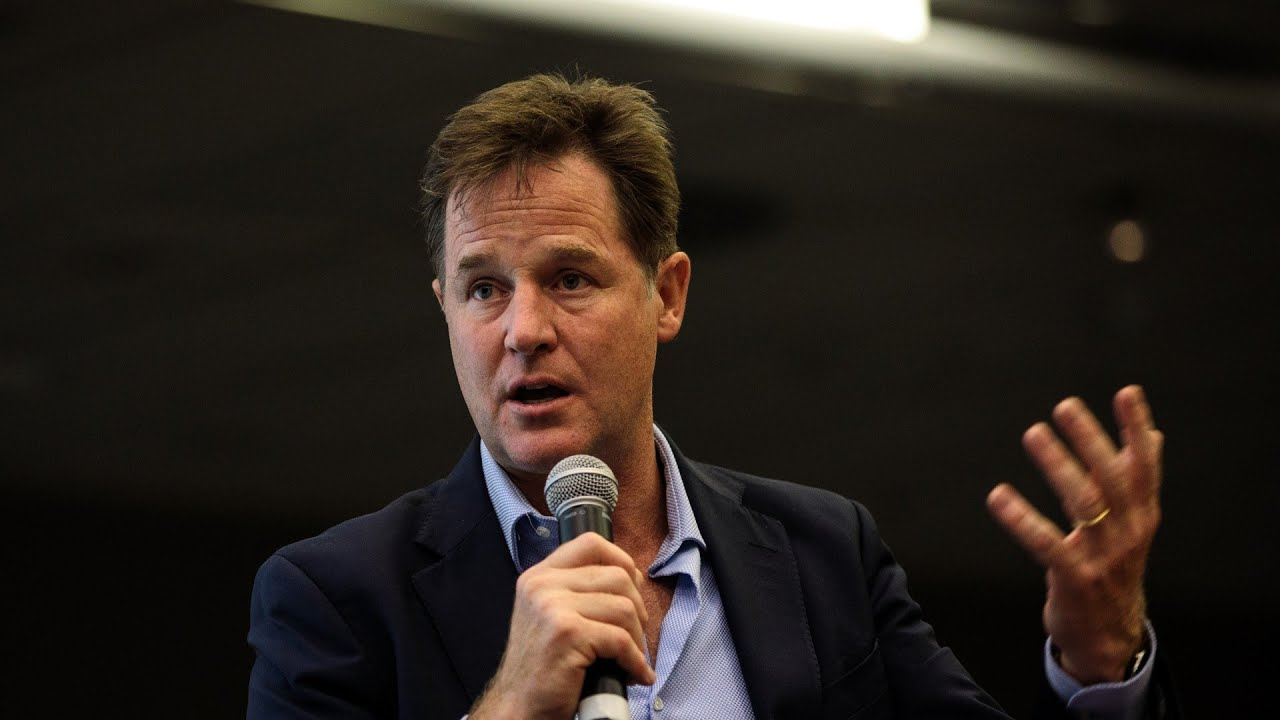
Nick Clegg, who joined Meta in 2018 after serving as the British deputy prime minister and leader of the Liberal Democrats, announced his decision to step down from his role on social media. Clegg stated, “Joel is quite clearly the right person for the right job at the right time—ideally placed to shape the company’s strategy as societal and political expectations around technology continue to evolve.”

Kaplan’s Background and Controversies

Kaplan, who has been with Meta since 2011, previously served as Deputy Chief of Staff for Policy under former Republican President George W. Bush. During his tenure at Meta, Kaplan has been a controversial figure. He has faced accusations of promoting a conservative agenda while advocating for political neutrality. Internal company documents leaked by a whistleblower in 2021 revealed claims that Kaplan had influenced Meta’s content moderation policies to favor Republican political figures, a charge the company has denied.

Kaplan’s attendance at a Senate hearing in 2018 supporting Brett Kavanaugh, a Supreme Court nominee accused of sexual assault, further fueled employee discontent. Meta later admitted to “mistakes handling the events” surrounding Kaplan’s public stance.

Despite these controversies, Kaplan is seen as a strategic choice to lead Meta’s global policy and communications teams as the company works to align its approach with evolving political expectations. Kevin Martin, another Meta executive with Republican ties, will succeed Kaplan as head of global policy.

Meta’s Relationship with the Incoming Trump Administration

The leadership transition coincides with Meta’s efforts to mend relations with President-elect Trump following years of strained interactions. Trump, who was banned from Meta’s platforms in 2021 after the Capitol riots, has accused the company of bias against conservatives and suppressing content critical of Joe Biden during the 2020 election.

Since Trump’s election victory in November, Meta has taken steps to improve its standing with the incoming administration. The company has donated $1 million to Trump’s inaugural fund, breaking from its previous practices, and CEO Mark Zuckerberg has publicly expressed regret over content moderation decisions that alienated conservative users.

Meta’s overtures appear to have softened tensions, with Trump no longer publicly targeting the company as aggressively as in the past. However, critics argue that these moves raise questions about Meta’s commitment to unbiased content moderation and its broader influence on political discourse.

The Road Ahead for Meta

Kaplan’s appointment signals a strategic pivot as Meta faces heightened scrutiny over its role in shaping public opinion and its policies surrounding political content. The company will likely face pressure to balance the expectations of conservative political leaders, internal employee concerns, and the broader public’s demand for transparent and equitable content governance.


Meta’s Irish Division Penalized $264 Million for Data Breach

Meta Fined $264 Million Over 2018 Data Breach Impacting 29 Million Users

Meta Platforms’ Irish division has been fined €251 million ($264 million or approximately Rs. 2,242 crore) by Ireland’s Data Protection Commission (DPC) following two investigations into a 2018 data breach. The breach reportedly exposed the personal data of 29 million Facebook users globally, including full names, email addresses, phone numbers, timeline posts, and group memberships.

Breach Details and Global Impact

The breach was first reported by Meta Platforms Ireland Limited in September 2018. According to the DPC’s findings, the data of around three million users in the European Union and European Economic Area was compromised. The breach occurred due to unauthorized third-party exploitation of user tokens on Facebook. Meta and its US parent company addressed the issue shortly after it was discovered.

GDPR Violations and Findings

The DPC concluded that Meta violated General Data Protection Regulation (GDPR) rules by failing to adequately document details of the breach and the corrective measures taken. Additionally, Meta was found to have breached GDPR’s requirement to ensure that only data necessary for specific purposes is processed by default.

Meta’s Response and Prior Fines

In a statement, a Meta spokesperson highlighted that the company had taken immediate action to address the breach, notified affected users, and implemented measures to prevent future incidents. Earlier this year, the Irish watchdog fined Meta €91 million ($95.6 million or approximately Rs. 812 crore) over an investigation related to password storage practices.