Yazılar

FCC Investigates Chinese Tech and Telecom Firms for Potential Evasion of US Restrictions

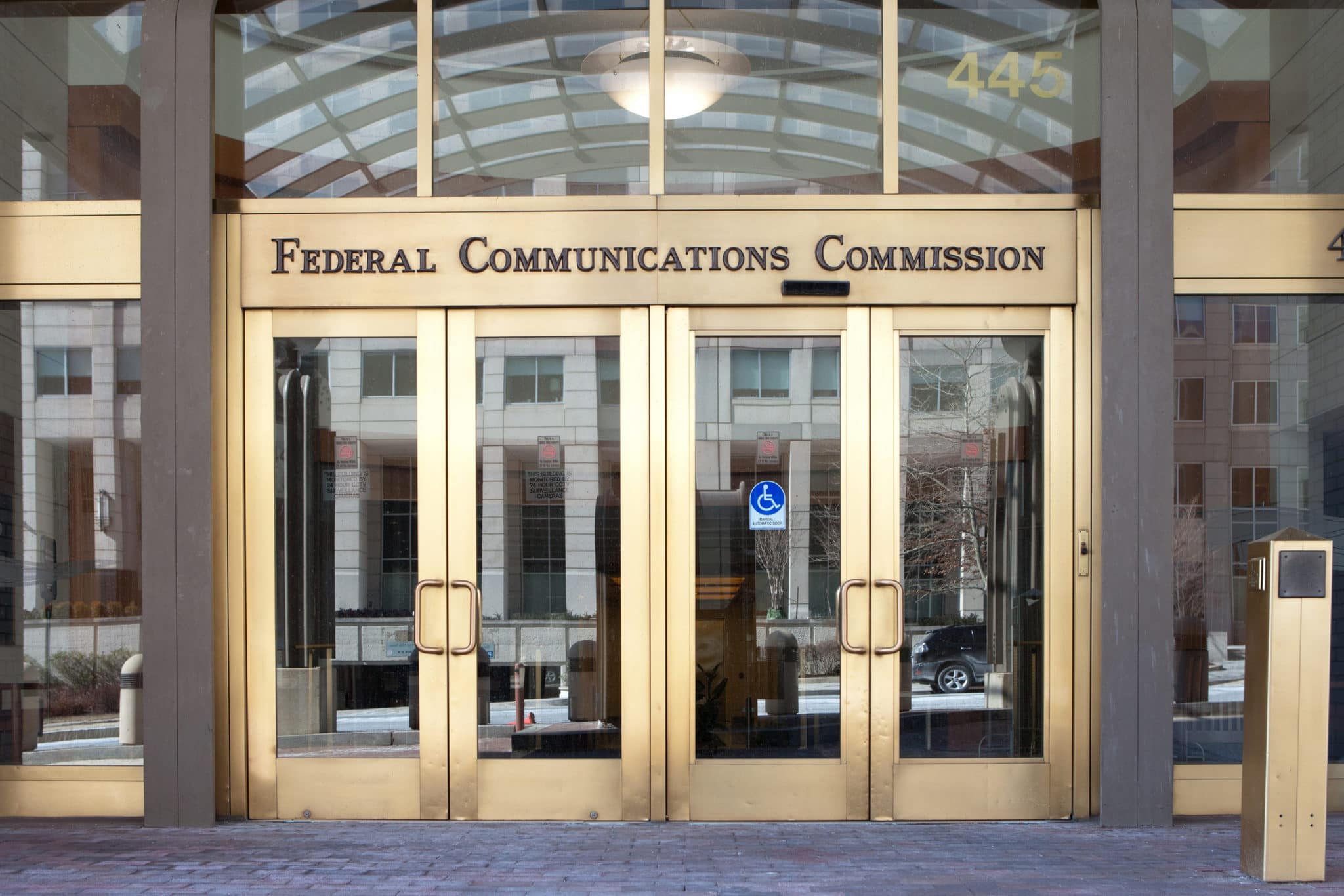
The Federal Communications Commission (FCC) has launched an investigation into nine Chinese companies, including Huawei Technologies, ZTE, Hangzhou Hikvision, China Mobile, China Telecom, and others, to determine whether they are attempting to circumvent U.S. restrictions. These companies are currently listed on the FCC’s “Covered List,” which designates certain communications equipment and services as national security threats.

FCC Chair Brendan Carr stated that the companies may still be operating in the U.S. due to their belief that the FCC’s restrictions do not prohibit certain types of operations. Other companies under scrutiny include Hytera Communications, Dahua Technology, Pacifica Networks/ComNet, and China Unicom (Americas). This investigation is the latest move in a broader U.S. effort to combat perceived national security risks posed by Chinese telecom and technology firms.

The FCC has already barred these companies from providing telecommunications services in the U.S. due to national security concerns. However, Carr expressed concerns that some of the firms may be continuing business in America through private or “unregulated” channels. The FCC is investigating whether these companies are evading the restrictions and is taking steps to close any potential loopholes.

The agency has sent Letters of Inquiry and at least one subpoena to the companies, seeking detailed information about their ongoing activities in the U.S. and any potential assistance from other companies aiding their operations. Last year, the FCC also took steps to enhance the security of the Border Gateway Protocol (BGP) after U.S. agencies accused China Telecom of exploiting BGP vulnerabilities to misroute U.S. internet traffic.
US Lawmakers Demand Chinese Telecoms Detail Ties to Military and Government

The leaders of a U.S. House of Representatives panel have urged top Chinese telecom companies to provide detailed information about any connections to the Chinese military and government, citing national security concerns over their operations in the U.S. Representatives Raja Krishnamoorthi, the top Democrat on the House Select Committee on China, and Republican John Moolenaar, the committee chair, have sent letters to China Mobile, China Telecom, and China Unicom, requesting responses by March 31.

The lawmakers expressed concerns that the companies could misuse their access to U.S. data through cloud and internet services, potentially sharing sensitive information with the Chinese government. This follows a 2024 Reuters report revealing a U.S. Commerce Department investigation into these companies’ operations in the U.S. and the potential security risks they pose.

In one letter, the committee raised alarms about China Telecom’s operations, particularly its role in internet backbone exchanges and cloud computing. The lawmakers warned that such operations could facilitate unauthorized data access, espionage, or sabotage by the Chinese government. They also highlighted the companies’ documented connections to Chinese intelligence, intensifying national security concerns amid China’s increasing cyber-attacks on U.S. telecommunications infrastructure.

The letters reflect growing bipartisan concern over Chinese telecom firms’ U.S. presence, especially after significant cyber-attacks tied to Chinese state-backed groups. Two prominent cyber incidents—Salt Typhoon and Volt Typhoon—have been linked to Chinese government entities, with the latter described by the FBI as the largest cyber-espionage campaign in U.S. history. Beijing has denied any involvement in these attacks.

China Telecom, China Mobile, and China Unicom have long been under scrutiny in Washington. The Federal Communications Commission (FCC) denied China Mobile’s application to offer U.S. telecom services in 2019 and revoked China Telecom and China Unicom’s authorizations in 2021 and 2022. In 2024, the FCC moved to bar these companies from offering broadband services, but the decision was blocked by a court. Despite these regulatory actions, the companies still retain the ability to provide cloud services and handle U.S. internet traffic, thus maintaining access to Americans’ data.

FCC to Explore Alternatives to GPS Amid National Security Concerns

The U.S. Federal Communications Commission (FCC) announced on Wednesday that it plans to vote next month on a proposal to explore alternatives to the global positioning system (GPS) due to increasing national security concerns. GPS, essential for positioning, navigation, and timing across various sectors such as aviation, maritime, and automotive industries, has become a critical part of modern life. However, the FCC has raised alarms about the risks of relying solely on one system.

FCC Chair Brendan Carr emphasized the growing need for redundant technologies, stating that continued dependence on GPS exposes the nation to potential vulnerabilities. Recent reports indicate a rise in GPS interference, including spoofing incidents, particularly since 2023. Spoofing involves manipulating GPS signals, which could lead to accidents, such as planes deviating off course.

Carr pointed out that disruptions to GPS could have severe economic and national security consequences. Both President Donald Trump and bipartisan lawmakers have long urged for action to address these risks. As part of the inquiry, the FCC aims to evaluate other Positioning, Navigation, and Timing (PNT) systems that could complement or replace GPS.

The FCC’s vote on March 27 will begin a broader effort to engage stakeholders from both government and industry in developing alternative PNT technologies. The aviation industry, in particular, is heavily reliant on GPS for navigation, as it has largely replaced expensive ground-based navigation systems. However, the reliance on satellite signals makes GPS vulnerable to disruptions, prompting the Federal Aviation Administration (FAA) to collaborate with global partners to enhance satellite navigation security.