Yazılar

SpaceX Buys EchoStar Spectrum in $17 Billion Deal to Expand Starlink’s 5G Reach

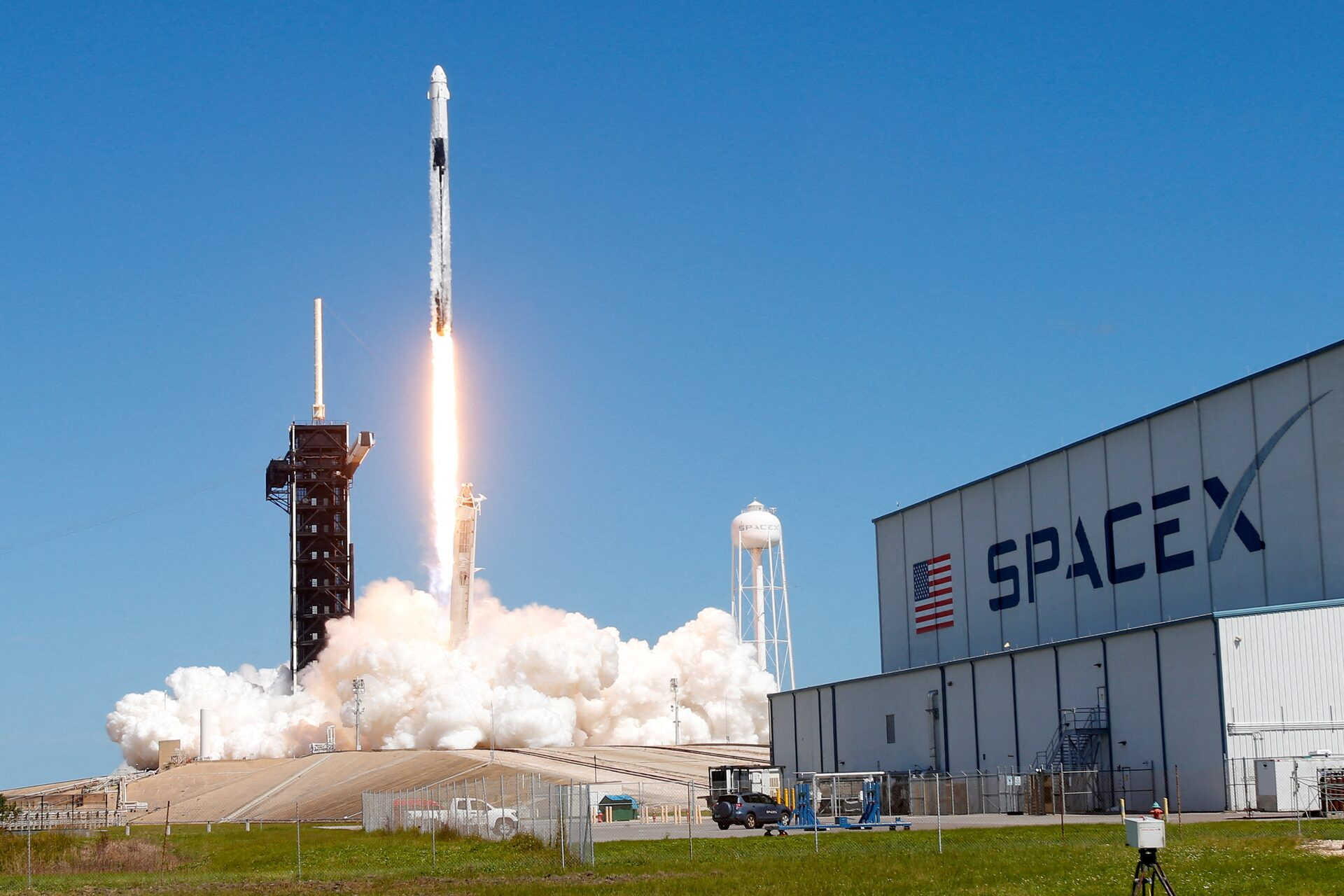
SpaceX announced Monday that it will purchase wireless spectrum licenses from EchoStar for about $17 billion, a move designed to accelerate Starlink’s expansion into the 5G mobile connectivity business. The deal also allows EchoStar’s Boost Mobile subscribers to access Starlink’s direct-to-cell satellite service, extending coverage to underserved regions.

The acquisition gives SpaceX exclusive rights to critical mid-band spectrum, enabling it to build upgraded, laser-linked Starlink satellites that could expand network capacity by over 100 times. “With exclusive spectrum, SpaceX will develop next-generation Starlink Direct to Cell satellites… to end mobile dead zones around the world,” said SpaceX President Gwynne Shotwell.

The deal boosted EchoStar’s shares by 19%, while U.S. carriers AT&T, T-Mobile and Verizon fell 2–3% amid investor concerns over heightened competition. Americans’ mobile data usage surged 35% in 2024 to a record 132 trillion MB, underscoring the need for expanded capacity.

Since 2020, SpaceX has launched more than 8,000 Starlink satellites, with about 600 “cell towers in space” deployed in 2024 alone for direct-to-cell services. Its giant Starship rocket, now in advanced testing, will play a key role in launching the next generation of larger satellites, with operational missions expected in 2026.

The FCC, which had questioned EchoStar’s spectrum obligations, welcomed the SpaceX deal, calling it an opportunity to “supercharge competition” and extend connectivity. EchoStar recently sold $23 billion in spectrum licenses to AT&T, and the SpaceX transaction is expected to resolve regulatory inquiries.

The purchase structure includes $8.5 billion in cash, $8.5 billion in SpaceX stock, and $2 billion in debt interest coverage. EchoStar will continue to operate its Dish TV, Sling, Hughes internet service and Boost Mobile brands.

The deal marks a major win for Elon Musk’s push to control spectrum for Starlink, shifting from leasing agreements with carriers like T-Mobile to operating on frequencies SpaceX owns outright.
Trump-Musk Clash Triggers Scrutiny Fears Across Tesla, SpaceX, and Other Ventures

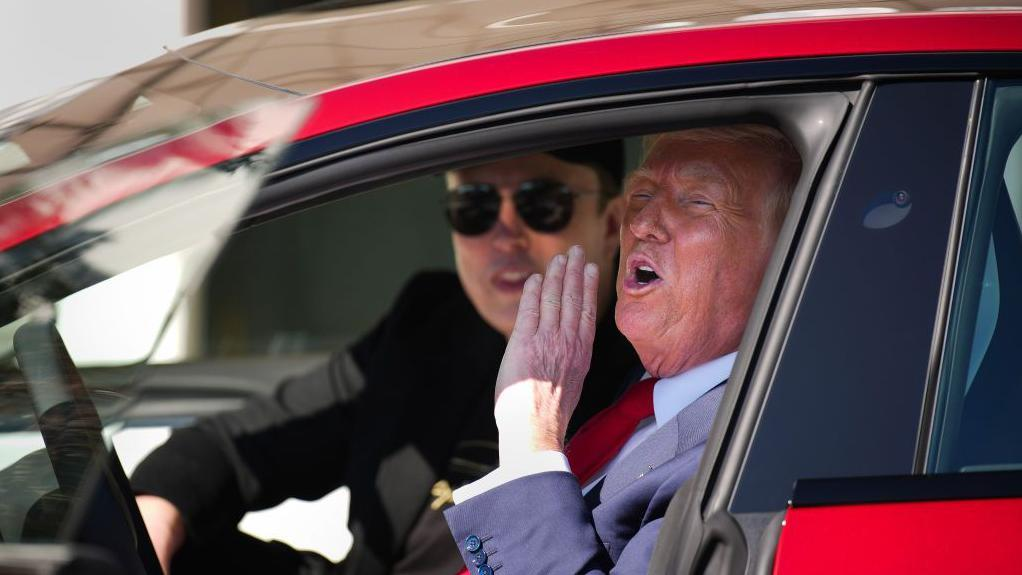
Former U.S. President Donald Trump’s call to review subsidies awarded to Elon Musk’s companies has sparked concerns of heightened regulatory scrutiny across the billionaire’s business empire, which spans automotive, space, energy, brain tech, and social media. The threat of government intervention may disrupt operations or stall innovation in several of Musk’s ventures. Here’s a breakdown of the U.S. agencies involved:

National Highway Traffic Safety Administration (NHTSA)
Tesla is under continued investigation by the NHTSA, especially concerning its advanced driver assistance systems. The agency is reviewing incidents involving Tesla’s robotaxi service in Austin, including videos showing vehicles misbehaving in traffic and in adverse weather. These inquiries extend broader probes into Tesla’s Full Self-Driving (FSD) technology, particularly related to safety during poor visibility.

Federal Communications Commission (FCC)
The FCC has begun reviewing its spectrum sharing policies, which could affect SpaceX’s Starlink satellite internet service. SpaceX is seeking new spectrum access to expand satellite coverage, but decades-old limits on signal power remain a barrier. The review could influence future Starlink deployments and broadband expansion goals.

Food and Drug Administration (FDA)
Neuralink, Musk’s brain implant startup, falls under the FDA’s oversight. After an initial rejection due to safety concerns, the FDA granted clearance for clinical trials, which are currently underway in the U.S. Neuralink is also exploring trials in Canada. The FDA will decide if Neuralink’s implants can eventually be marketed.

Environmental Protection Agency (EPA)
The EPA monitors SpaceX’s wastewater output at its Texas launch site and coordinates with other federal agencies under the National Environmental Policy Act. SpaceX’s rocket activities must pass environmental impact assessments to ensure compliance with land, water, and wildlife protection standards.

Federal Aviation Administration (FAA)
In September, the FAA proposed a $633,000 fine against SpaceX for violating licensing requirements before two 2023 launches. The FAA continues to investigate the company’s safety compliance, especially after repeated rocket explosions. Additional restrictions may follow.

Securities and Exchange Commission (SEC)
Musk is facing litigation from the SEC related to his 2022 acquisition of Twitter (now X). The agency has also probed Neuralink’s compliance and transparency, according to a December 2023 letter from Musk’s attorney, posted on X.

Federal Trade Commission (FTC)
The FTC oversees data and privacy protections at Musk’s social media platform, X. The agency is also investigating antitrust allegations, reviewing whether media watchdog groups coordinated an advertiser boycott that Musk claims is illegal.

Regulatory Risk Outlook
Trump’s renewed focus on Musk’s government support could pave the way for increased enforcement or changes to existing subsidies, affecting growth trajectories across his enterprises. With Musk already under the microscope at multiple agencies, the political escalation adds another layer of complexity.

EchoStar Shares Jump 50% After Trump Reportedly Urges FCC Deal

EchoStar’s stock soared as much as 50% on Monday, following a Bloomberg report late Friday that former U.S. President Donald Trump had intervened in talks over the company’s wireless spectrum licenses. Trump reportedly urged EchoStar Chairman Charlie Ergen and Federal Communications Commission (FCC) Chair Brendan Carr to reach an agreement over the future of the company’s spectrum holdings.

The report said Trump met with Ergen on Thursday and called Carr, who then joined them at the White House. EchoStar has not commented publicly on the meeting.

The FCC began investigating EchoStar in May over concerns that it had not fulfilled its obligations to deploy 5G services, raising the possibility that its valuable wireless spectrum licenses could be revoked. The company has acknowledged missing about $500 million in interest payments and attributed some of the financial strain to regulatory uncertainty.

The market reacted swiftly to the news, with shares hitting an intraday high of $25.29 on Monday—up from $16.84 at Friday’s close. The surge marked a sharp reversal for EchoStar, whose stock had lost about 30% of its value since the FCC’s probe was disclosed.

Analysts at UBS noted in a Sunday briefing that the new developments could reduce the risk of EchoStar losing its airwaves and may renew interest in its spectrum assets. They cited the potential for partnerships or acquisitions from major wireless players such as T-Mobile US and AT&T, given the current scarcity of available spectrum.

Despite the rally, UBS maintained a “neutral” rating on the stock, citing ongoing regulatory uncertainty until a definitive resolution is reached.