Yazılar

Elon Musk Endorses Plan for Presidential Influence Over Federal Reserve Following Trump’s Election Win

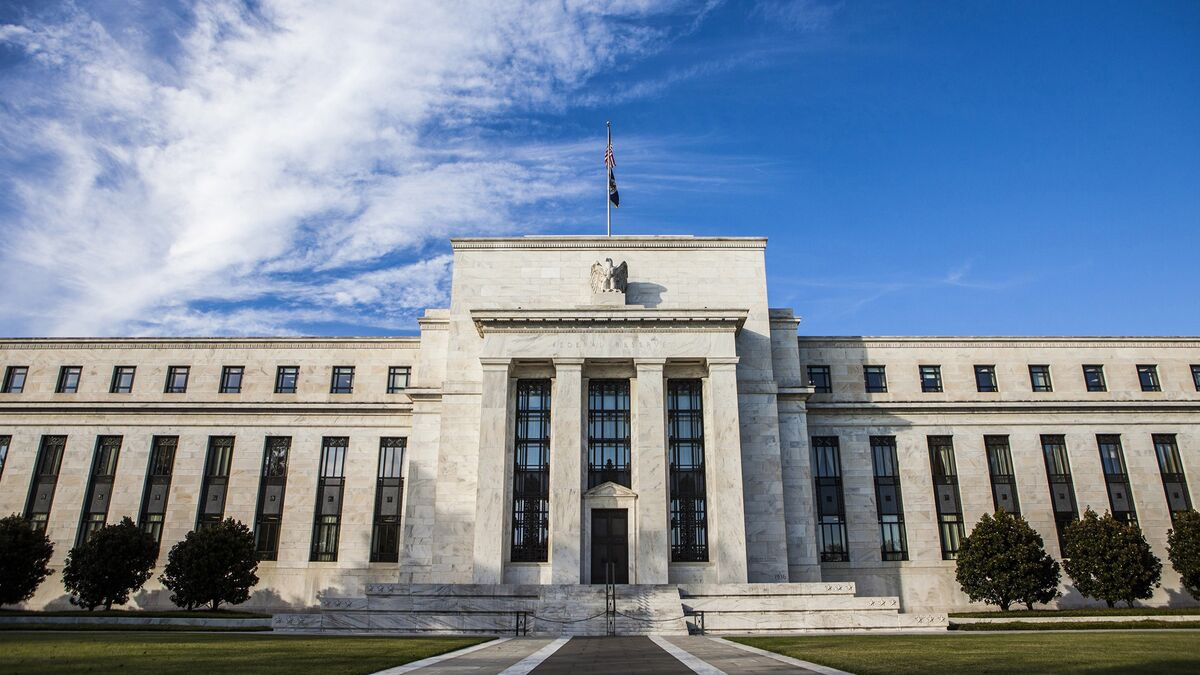
Elon Musk, CEO of Tesla and SpaceX, has publicly supported the notion of allowing presidents to influence the Federal Reserve’s policy decisions, following Donald Trump’s recent presidential election victory. Musk’s endorsement came on Friday in response to a social media post by Republican Senator Mike Lee of Utah, who proposed the Fed should be under the president’s control and used the hashtag “#EndtheFed.” Musk replied to the post with a “100” emoji, signaling his agreement.

The exchange highlights a renewed interest in challenging the Federal Reserve’s traditional independence. This move aligns with Trump’s past stance on the issue; during his first presidential term, he openly criticized Fed Chair Jerome Powell and suggested that the president should have a voice in the central bank’s monetary policies. Trump, who frequently expressed frustration with Fed decisions, argued he had “better instincts” regarding economic policy than some Federal Reserve officials, given his business success.

Federal Reserve independence is a principle established to enable monetary policy decisions, like setting interest rates, based on economic projections rather than political motivations. This separation is intended to promote economic stability, shielding the central bank from political cycles. Nevertheless, Trump has repeatedly voiced his preference for executive influence over the Fed, particularly during his 2024 campaign, asserting in August that presidential input would benefit the economy.

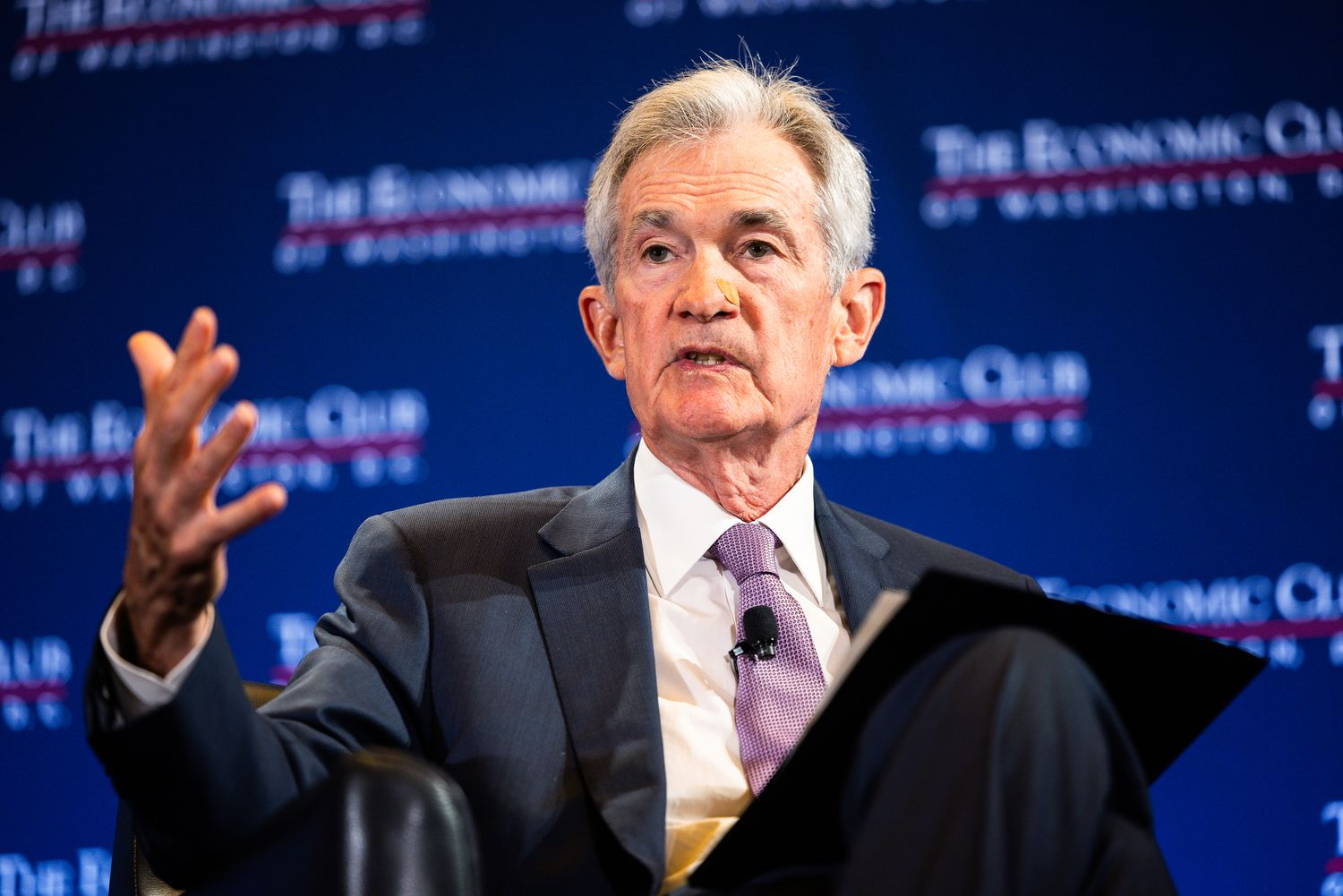
On Thursday, in the wake of Trump’s election victory, Powell emphasized his commitment to maintaining Fed independence, stating he would not step down if asked by the president. Powell’s stance suggests that the Trump administration’s potential pressure on the Fed could reignite tensions over the independence of U.S. monetary policy.
 

Treasury Yields Drop as Investors Evaluate Economic Outlook Post Fed Rate Cut

On Friday, U.S. Treasury yields fell as investors assessed the Federal Reserve’s recent rate cut and its implications for the economic outlook. The yield on the 10-year Treasury dropped approximately three basis points to 4.3131%, while the 2-year Treasury yield fell over three basis points, settling at 4.1849% as of 3:43 a.m. ET. Treasury yields, which move inversely to prices, respond in basis points—each representing 0.01%.

The drop in yields followed Thursday’s announcement by the Federal Reserve of a 25-basis-point rate cut, bringing the target range to 4.50%-4.75%. The move, while anticipated, marked a continuation of the Fed’s gradual rate-reduction approach, which began with a 50-basis-point cut in September.

Investors closely examined Fed Chairman Jerome Powell’s comments in the post-meeting press conference for hints on future policy direction. Powell reiterated the Fed’s commitment to a flexible approach, stating decisions would be made on a “meeting by meeting” basis, with no predetermined path for monetary policy. Despite recent economic pressures, Powell expressed confidence, noting he was “feeling good” about the current economic landscape.

Looking ahead, market participants are focusing on the December 17-18 Fed meeting, where the CME Group’s FedWatch tool indicates a 75% probability of another rate cut. Friday’s investor attention also turns to upcoming consumer sentiment data, which could provide further insight into economic conditions. The October inflation report, set for release next week, is also expected to be a critical indicator for future Fed actions.


Wall Street Reaches Record Highs Following Trump’s Presidential Election Win

Wall Street surged to record levels on Wednesday as Donald Trump’s election victory propelled key U.S. market indexes higher. In a comeback that restores him to the White House four years after his first term ended, Trump’s win sparked optimism for tax cuts and deregulation, although market watchers noted potential challenges from possible tariff hikes, which could drive up inflation and the federal deficit.

Trump’s victory spurred a rally in “Trump trades,” with U.S. Treasury yields rising, the dollar strengthening, and Bitcoin hitting a record high. “The market response indicates that a Trump victory was not fully priced in, reflecting an extension of the ‘Trump trade’ that assumes Republicans will control both the House and Senate,” noted Candice Bangsund, a portfolio manager at Fiera Capital.

Domestic-focused stocks surged on the news, especially in the small-cap Russell 2000 index, which jumped 4.7% to a nearly three-year high. Small-cap stocks are expected to benefit from lower regulatory burdens, favorable tax policies, and minimal exposure to potential import tariffs. “Small caps are poised for a strong catch-up trade over the next 6-12 months,” said Sean Gallagher, Lazard’s global head of Small Cap Equity.

The market volatility index (VIX) dropped nearly five points, reaching its lowest level since September, as investors embraced the likelihood of a stable policy environment.

In individual market performance, the Dow Jones Industrial Average rose 1,345 points (3.19%) to reach 43,566.98, the S&P 500 climbed by 120.78 points (2.1%) to 5,903.45, and the Nasdaq Composite rose 436.48 points (2.37%) to 18,875.65. Financials led the S&P 500’s gains with a 5.5% surge, while the KBW Bank Index recorded its best day in four years. Energy, Industrials, and Consumer Discretionary sectors each gained around 3%, while rate-sensitive sectors like Real Estate and Utilities saw declines due to concerns that Trump’s policies might increase inflation, reducing the likelihood of future rate cuts—a significant driver of recent rallies.

The Federal Reserve is anticipated to reduce interest rates by 25 basis points on Thursday. However, with Trump’s policies expected to increase inflationary pressure, traders have begun lowering their expectations for additional rate cuts next year. Bangsund commented, “The sharp rise in Treasury yields may weigh on stock valuations.”

Stocks projected to benefit under Trump’s second term posted strong gains, including Trump Media & Technology Group, which rose 9.3%. Tesla also jumped 14%, likely influenced by Elon Musk’s vocal support for Trump’s campaign. Gains extended to cryptocurrency companies, energy stocks, and prison operators, while renewable energy stocks experienced declines.

Attention has now turned to whether Republicans will retain their newly gained majority in the Senate and potentially secure the House of Representatives, an outcome that could further shape the market’s trajectory over the next four years.