Yazılar

European Retailers Urge Crackdown on Visa and Mastercard Fees

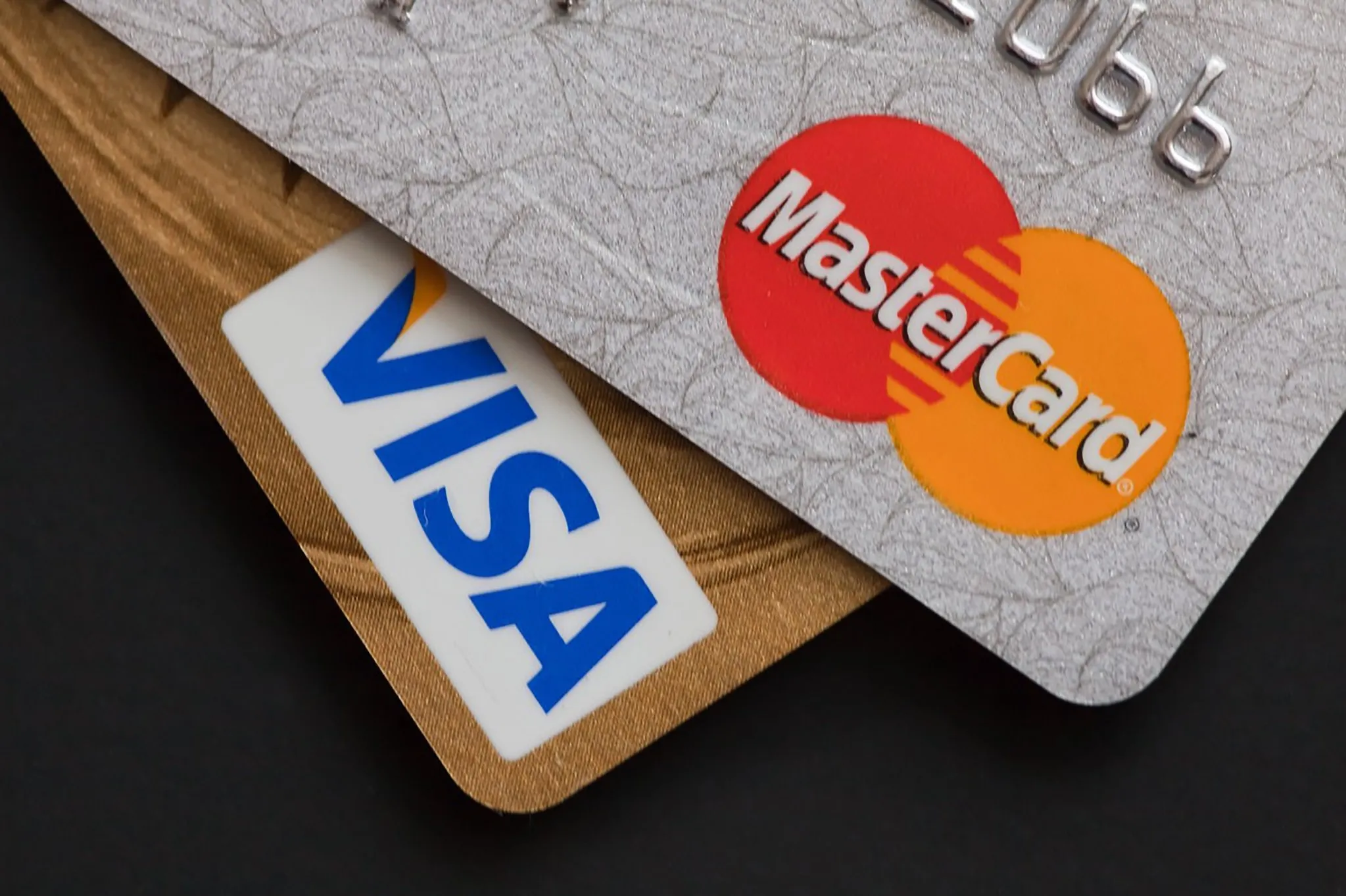
Leading European retailers and e-commerce platforms have appealed to the European Commission to address what they describe as excessive and opaque fees imposed by Visa and Mastercard, alleging the charges undermine the EU’s competitiveness and hurt alternative payment systems.

In a letter dated May 13 and seen by Reuters, major industry groups such as EuroCommerce, Ecommerce Europe, and the European Digital Payments Industry Alliance — whose members include Aldi, Amazon, Carrefour, eBay, H&M, Ikea, and Marks & Spencer — asked EU regulators to intervene under antitrust rules. They claim Visa and Mastercard have increased their fees by nearly 34% between 2018 and 2022, with no corresponding improvements in service quality for merchants or consumers.

The retailers argue that the U.S. card giants dominate two-thirds of eurozone card payments and have created a complex, non-transparent fee system that hinders scrutiny or competition. The growing frustration over these practices has also revived interest in EU-backed alternatives like the digital euro, although progress on such initiatives remains slow.

Visa responded by defending its fee structure, saying it reflects high-value services such as fraud protection, operational reliability, and customer support. Mastercard did not issue a comment on the matter.

The letter was addressed to key EU officials, including antitrust chief Teresa Ribera, financial services commissioner Maria Luís Albuquerque, and economy chief Valdis Dombrovskis. The signatories are calling for:

  • Regulatory action under EU antitrust laws,

  • Revised interchange fee rules with price caps,

  • Mandatory transparency and non-discrimination rules for card schemes, and

  • A monitoring tool for regulators to oversee card network practices.

This latest appeal intensifies pressure on Brussels to tackle U.S. dominance in the EU payments sector and promote more equitable digital financial infrastructure across the continent.

CFPB Ends Supervision of Google Payment, Prompting Google to Drop Lawsuit

The U.S. Consumer Financial Protection Bureau (CFPB) has officially withdrawn its supervisory designation over Google Payment Corp, reversing a Biden-era initiative aimed at extending oversight to nonbank financial services provided by Big Tech companies.

The decision, first reported by Bloomberg News and confirmed by a Google spokesperson, ends months of legal conflict between the regulator and Alphabet’s financial unit. In response, Google will drop its lawsuit against the CFPB.

The CFPB initially announced in December 2024 that it would begin supervising Google Payment, claiming that the company’s financial services posed risks to consumers. Google promptly challenged the move in court, arguing that the claims were based on a discontinued peer-to-peer (P2P) payment product and a small number of unsubstantiated complaints.

Russell Vought, acting director of the CFPB under the Trump administration, defended the reversal in a May 7 memo, calling the supervision “an unwarranted use of the Bureau’s powers and resources.”

Google spokesperson José Castañeda welcomed the decision, stating:

It didn’t make sense for the CFPB to supervise a product that never posed any risks and is no longer available in the U.S. We appreciate their common-sense decision to drop this issue.”

Google discontinued its U.S. version of the Google Pay P2P service in June 2024, citing business reasons, well before the CFPB’s supervisory action was announced.

Under the Biden administration, the CFPB had expanded its focus to include tech-driven financial platforms, citing the growing role of companies like Apple, Google, and PayPal in managing consumer transactions outside traditional banking.

The end of the supervision marks a significant policy shift under the Trump administration, reflecting a broader rollback of regulatory scrutiny over nonbank fintech services.

China to Ease M&A Loan Restrictions for Tech Firms

China’s financial regulator announced a pilot program to ease restrictions on merger and acquisition (M&A) loans for technology enterprises. The initiative, launched by the National Financial Regulatory Administration, aims to support industry growth by providing greater financial flexibility.

Under the new program, M&A loans will be allowed to cover up to 80% of a firm’s total transaction value, an increase from the current 60% limit. Additionally, loan terms will be extended to a maximum of 10 years, up from the previous seven-year cap.

The pilot program will be implemented in 18 cities, including key financial hubs such as Shanghai and Beijing. The policy shift aligns with China’s broader efforts to bolster its technology sector and enhance corporate financing options amid global economic uncertainties.