Yazılar

Crypto Lobbying Risks Regulatory Capture, South African Central Bank Head Says at Davos

During a panel at the World Economic Forum in Davos, South Africa’s central bank governor Lesetja Kganyago criticized the growing influence of the cryptocurrency industry on U.S. financial regulation. He warned that crypto lobbying risks “regulatory capture,” a situation where regulations are shaped to benefit powerful industry players at the expense of broader public interest.

Key Points:

  • Regulatory Capture Concerns: Kganyago expressed concerns that the push for government-held bitcoin reserves and other crypto-friendly regulations were being heavily influenced by the industry’s lobbyists, pointing out the dangers of letting money dictate regulatory decisions.
  • Criticism of Bitcoin as a Reserve Asset: He likened the idea of holding bitcoin as a reserve asset to holding assets like beef or apples, arguing that it lacked the historical and economic grounding of assets like gold.
  • Trump’s Crypto Policies: The panel also discussed the potential effects of President Trump’s crypto-friendly policies, including the creation of a U.S. government bitcoin stockpile. Proponents like Coinbase’s CEO, Brian Armstrong, argued that Trump’s presidency could be a major boon for the industry, pointing to the initial rise in bitcoin’s price after his election.
  • Lobbying Influence: The crypto sector has spent heavily on lobbying, with major firms like Coinbase and Ripple backing pro-crypto congressional candidates, which Kganyago believes could lead to skewed regulatory outcomes.
  • Need for Regulation: Jennifer Johnson, CEO of Franklin Templeton, noted that institutional investors were hesitant to enter the crypto market without clear regulatory guidance, which she described as crucial for enabling large-scale investment in the sector.

Bank of England Pushes Decision on Digital Pound to 2025 or Later

The Bank of England (BoE) announced on Tuesday that no decision will be made for at least two years regarding the introduction of a central bank digital currency (CBDC) for the British public. This effectively delays the timeline for the so-called “digital pound,” a project initially championed by former Prime Minister Rishi Sunak during his tenure as finance minister in 2021.

While the idea of a digital pound gained early momentum, public consultations revealed widespread concerns about privacy, leading to a more cautious approach by the BoE and the current government. In October, BoE Governor Andrew Bailey expressed skepticism about the necessity of a digital currency, stating that it was “not my preferred option.” However, he acknowledged that it might become essential if traditional banks fail to provide competitive payment systems compared to less regulated tech companies.

The BoE confirmed it is collaborating with Britain’s finance ministry on exploring a potential design for the digital currency. This work aligns with earlier consultation plans and will take into account broader developments in the payments landscape.

“After completing the design phase over the next couple of years, the Bank and government will evaluate the policy case for a digital pound and decide whether to proceed,” the BoE stated. A decision is not expected before 2025.

The government has stressed that a digital pound would prioritize privacy but would not offer full anonymity, unlike physical cash. Similar to bank accounts and credit card payments, authorities would retain the ability to monitor transactions in cases of suspected money laundering or terrorism financing.

The BoE emphasized that legislation would ensure user privacy protections. “Neither the Bank nor the government could access users’ personal information or control how households and businesses use their money,” the central bank assured.

Vanguard Reaches Agreement with FDIC on Bank Stake Control

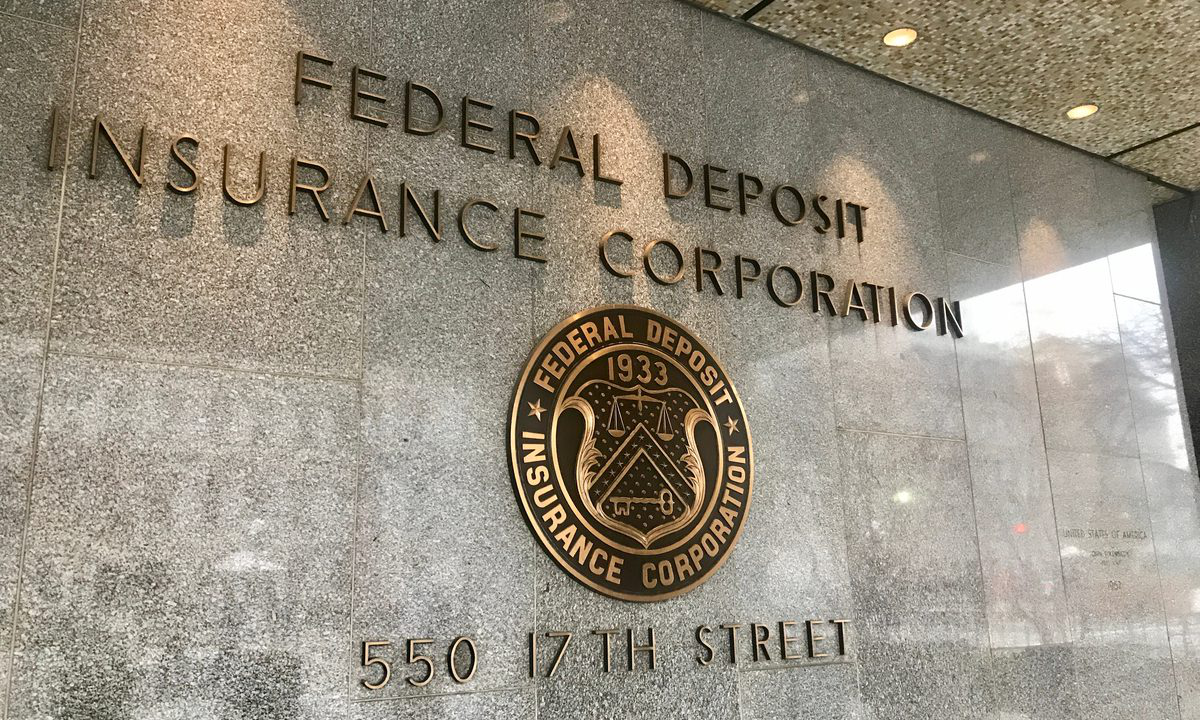
The U.S. Federal Deposit Insurance Corporation (FDIC) has reached an agreement with Vanguard to implement stricter rules regarding the firm’s ability to take large stakes in U.S. financial institutions. This deal, made public on Friday, strengthens the FDIC’s ability to monitor Vanguard’s investment activities, ensuring that the firm’s passive investment strategy in FDIC-supervised banks does not lead to undue influence over the banks’ operations.

The agreement is designed to prevent the largest asset management firms, such as Vanguard and BlackRock, from affecting the decision-making processes of major U.S. banks, even when they acquire significant stakes through passive investment funds. In a statement, Jonathan McKernan, an FDIC director, highlighted academic concerns regarding the risks of concentrated ownership and the concentration of power among institutional investors.

Under the terms of the agreement, Vanguard is prohibited from engaging in activities that could influence the management or policies of FDIC-regulated banks or their subsidiaries. Vanguard confirmed that this prohibition aligns with its existing practices, as the firm is built around passive investing and has long pledged to maintain a non-interfering approach.

To ensure compliance, Vanguard will be monitored by the FDIC, particularly regarding any informal interactions it might have with the management of FDIC-regulated banks. The deal with Vanguard does not mention a similar arrangement with BlackRock, and BlackRock has not yet responded to requests for comment.