Yazılar

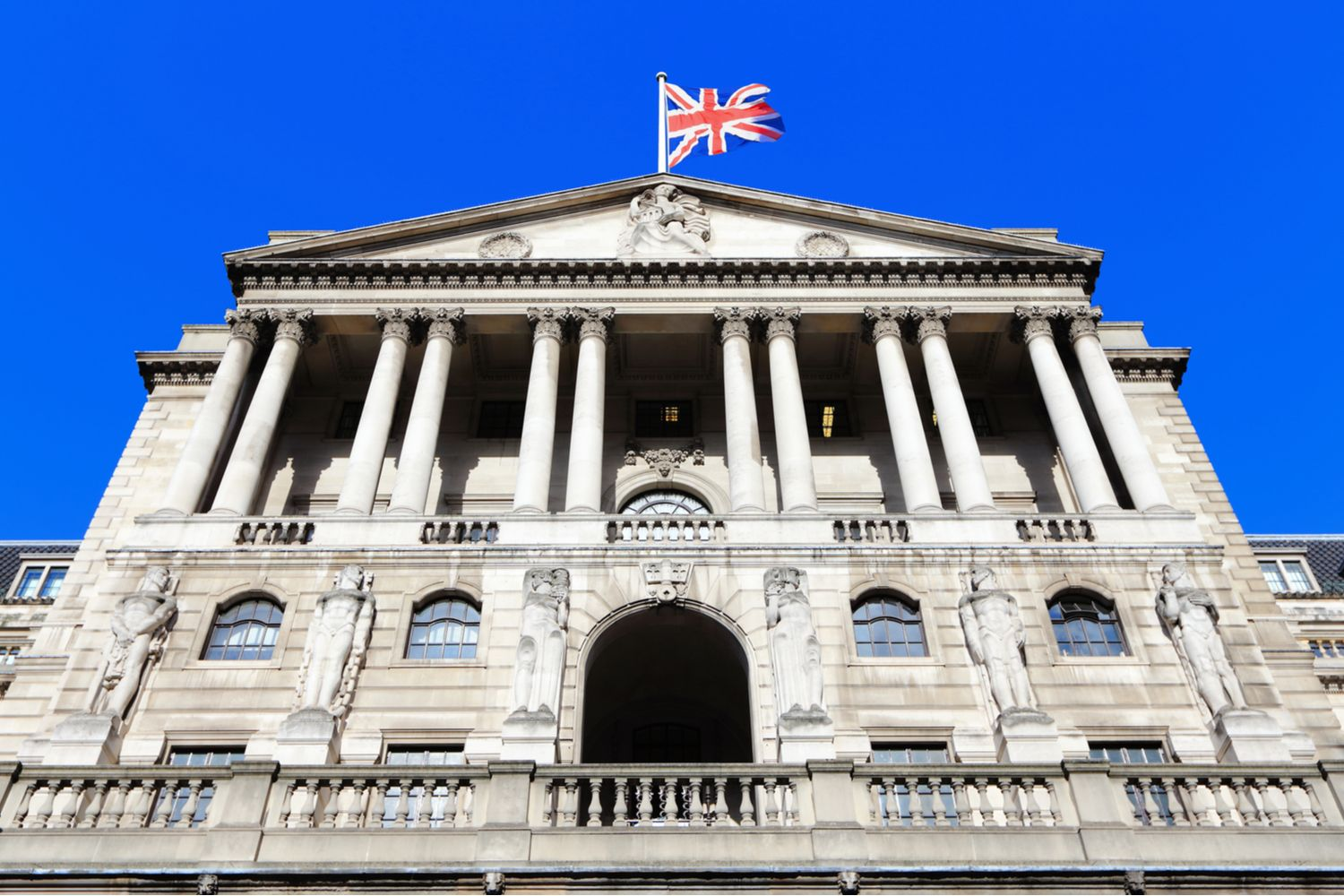
Bank of England Eases Stablecoin Rules, Allowing Investment in Government Debt

The Bank of England (BoE) has proposed a more flexible regulatory framework for stablecoins, allowing issuers to invest up to 60% of their backing assets in government debt, a move that marks a softer stance toward the rapidly growing digital asset sector.

The proposal, part of a package of rules expected to take effect next year, represents a shift from the BoE’s earlier, stricter approach, which required stablecoin issuers to hold all their reserves in non-interest-bearing central bank accounts — a move that critics said would have stifled the industry’s development in the UK.

The new plan reduces that requirement to 40%, allowing the remaining portion to be invested in interest-bearing assets such as short-term government securities.

“Today’s proposals mark a pivotal step towards implementing the UK’s stablecoin regime next year,” said Sarah Breeden, the BoE’s deputy governor for financial stability. “We’ve listened carefully to feedback and amended our proposals for achieving this, including on how stablecoin issuers interact with the Bank of England.”

The central bank confirmed it will supervise only those stablecoins intended for widespread payment use, while non-systemic tokens — those primarily used for crypto trading — will fall under the Financial Conduct Authority (FCA).

However, the BoE maintained its plan to cap holdings at £20,000 ($26,842) for individuals and £10 million for businesses, though large firms such as supermarkets or exchanges could apply for exemptions. The bank said these limits would be temporary, designed to mitigate potential financial stability risks.

In a further step, the BoE is also considering providing liquidity facilities to systemic stablecoin issuers during times of market stress.

Crypto industry figures welcomed the more balanced approach but urged further relaxation. Tom Duff Gordon, vice president of international policy at Coinbase, said the BoE “could have allowed up to 80% of assets to be invested in government bonds” and called for “clearer timelines” on when the caps would be lifted.

The consultation period for the proposals runs until February 10, 2026.
Brazil Central Bank Tightens Cryptocurrency Rules to Curb Fraud and Illicit Payments

Brazil’s central bank has issued long-awaited regulations for virtual assets and cryptocurrencies, introducing stricter controls aimed at preventing money laundering, fraud, and terrorism financing.

The new framework, which takes effect in February 2026, extends traditional financial-sector safeguards to virtual-asset service providers (VASPs), including brokers, distributors, and exchanges operating in the country.

“New rules will reduce the scope for scams, fraud, and the use of virtual asset markets for money laundering,” said Gilneu Vivan, the bank’s director of regulation, during a press conference in Brasília.

Brazil, Latin America’s largest economy, approved its first legal framework for cryptocurrencies in 2022, but the rollout had been delayed pending regulatory guidance from the central bank. Authorities conducted four public consultations before finalizing the new rules.

Under the regulations, all virtual-asset transactions pegged to fiat currencies — such as the U.S. dollar or the Brazilian real — will be classified as foreign exchange operations. This also applies to international payments or transfers using cryptocurrencies, including those settled via cards or electronic platforms.

Central bank governor Gabriel Galipolo has voiced concerns over the rapid growth of stablecoins, which he said are increasingly being used as informal payment tools, often to bypass tax and oversight systems.

The new framework also mandates stronger governance, transparency, and internal control standards, as well as customer protection and compliance obligations for all crypto-related firms.

Analysts view the move as a major step in Brazil’s effort to bring digital asset markets under tighter regulatory supervision, as crypto adoption continues to expand across Latin America.

eToro Beats Profit Estimates as Retail Investors Drive Market Momentum

eToro, the stock and cryptocurrency trading platform, reported better-than-expected third-quarter profit on Monday, driven by a surge in retail investor activity and renewed optimism across global markets. The company’s shares rose 7% in afternoon trading following the announcement.

The ongoing equities rally—fueled by steady corporate earnings, cooling inflation expectations, and enthusiasm around the AI-driven tech boom—has prompted investors to reenter riskier assets. Gold has also seen record demand, becoming one of the most sought-after commodities this quarter.

“We have seen the gold craze hitting our customers in October, with gold reaching an all-time high,” said Yoni Assia, eToro’s CEO, in an interview with Reuters. “We also saw some rebalancing in portfolios across U.S. and European equities, and some trimming of tech holdings.”

eToro’s net contribution—which accounts for revenue after deducting crypto costs and margin interest—rose 28% year-on-year to $215 million, while adjusted profit came in at $0.60 per share, beating analysts’ estimates of $0.56 per share (LSEG data).

The company also announced a $150 million share repurchase program, signaling confidence in its growth trajectory.

eToro’s assets under administration jumped 76% year-on-year to $20.8 billion, underscoring strong retail participation supported by accessible trading apps and continuous market volatility.

Looking ahead, eToro plans to expand through acquisitions and enter prediction markets by late 2026. “We’re hungry and we have a large checkbook,” Assia said. “We’ll find the right targets to add value to our customers.”

The firm continues to face fierce competition from rivals such as Robinhood, Charles Schwab, and Morgan Stanley’s E*Trade, but Assia remains confident: “We invented social trading. Copying is the ultimate form of flattery.”