Yazılar

Blue Ghost Lunar Lander Poised for Landmark Moon Touchdown in 2025

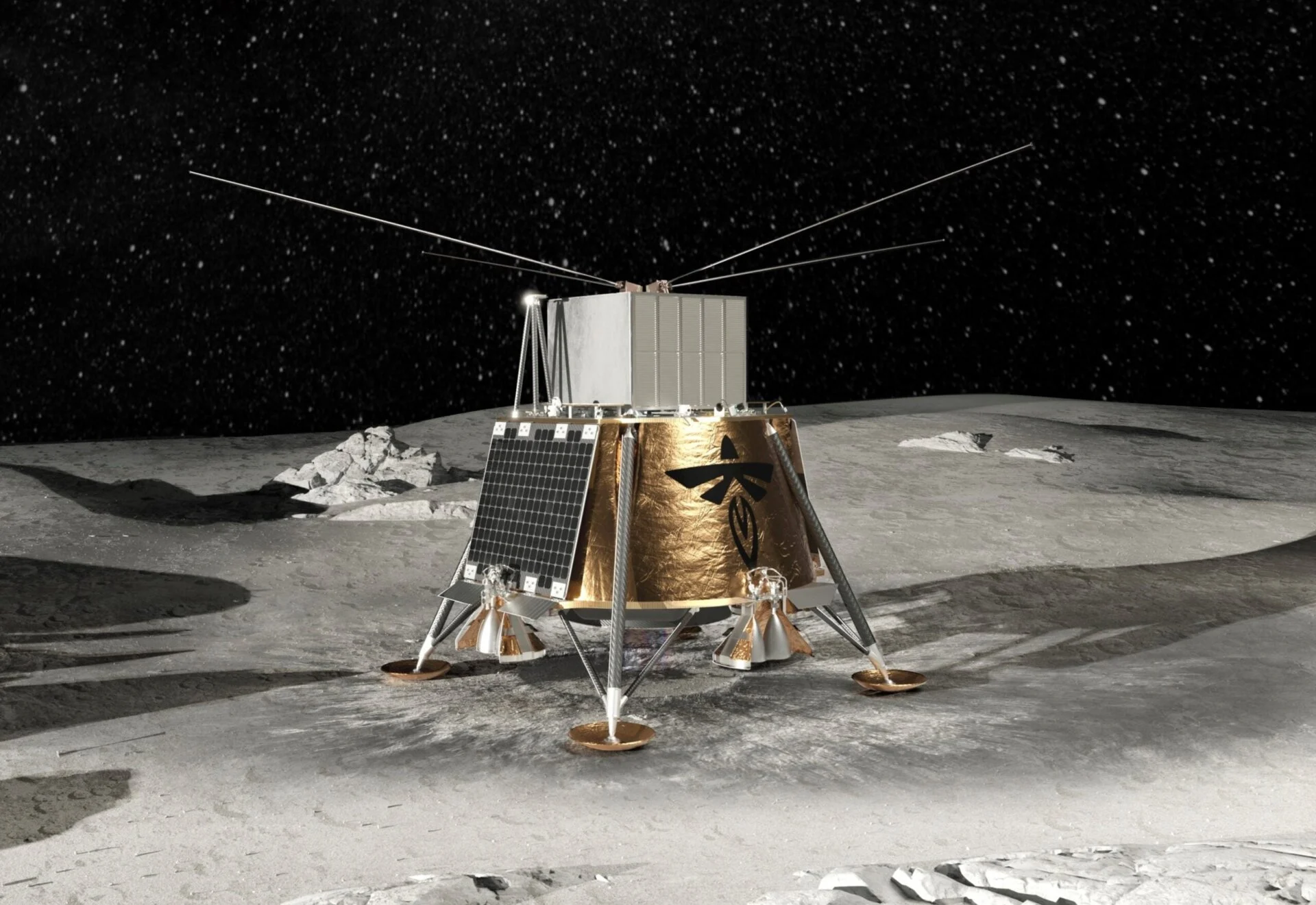
Firefly Aerospace’s Blue Ghost lunar lander is set to make history with its anticipated descent onto the Moon’s surface on March 2, 2025. Scheduled to land no earlier than 3:45 a.m. EST, the spacecraft is targeting Mare Crisium, a vast lunar basin located in the northeastern region of the Moon’s near side. This mission is a critical part of NASA’s Commercial Lunar Payload Services (CLPS) initiative, which supports the Artemis program by delivering scientific instruments and technology demonstrations to the Moon. The data collected will provide valuable insights into the lunar environment and help pave the way for future human exploration.

NASA has announced extensive live coverage of the landing, which will begin at 2:30 a.m. EST on NASA+ and Firefly Aerospace’s YouTube channel. Throughout the descent sequence, real-time updates will be available via NASA’s blog and social media platforms. Accredited media members have been invited to an exclusive viewing event in Austin, Texas, with applications open until February 24. Following the landing, NASA and Firefly Aerospace will hold a joint press briefing to discuss the mission’s results and operational performance.

The Blue Ghost lander was launched on January 15, 2025, at 1:11 a.m. EST aboard a SpaceX Falcon 9 rocket from Kennedy Space Center in Florida. The spacecraft is carrying ten NASA-backed payloads designed to study the lunar surface and test new technologies essential for future crewed missions. These instruments will analyze lunar dust, radiation levels, and thermal properties, helping scientists refine strategies for long-duration space travel and astronaut safety on the Moon and Mars.

This mission represents a significant milestone in NASA’s broader lunar exploration strategy. By leveraging commercial partnerships like Firefly Aerospace, NASA aims to establish a sustainable presence on the Moon and prepare for the next era of deep space exploration. The success of Blue Ghost could lay the groundwork for future lunar landers and play a vital role in shaping the Artemis program’s long-term objectives.

Space Startup Funding Set for Boost from US-China Rivalry in 2025, Report Says

According to a report by Seraphim Space, space startups are expected to see increased funding in 2025, largely driven by the intensifying U.S.-China rivalry. In 2024, investments in the sector reached $8.6 billion, signaling a growing trend of capital flowing into space-based ventures.

U.S.-China Competition Fuels Space Industry Growth

China has been actively expanding its capabilities in satellite production, rocket launches, and other space technologies, aiming to compete with Western countries in areas like satellite-based imaging and data collection. As the demand for space-based intelligence continues to rise, the competition between the U.S. and China is expected to remain a significant factor propelling investment into space startups.

Lucas Bishop, Investment Associate at Seraphim Space, highlighted that these geopolitical tensions will likely continue to drive investments into the capital-intensive sectors of the space industry in 2025. As a result, startups focusing on areas such as satellite communications and space exploration are expected to see more funding opportunities.

Notable Deals and Growth in the Space Sector

The fourth quarter of 2024 saw several significant investments, including Apple’s acquisition of a 20% stake in satellite operator Globalstar for $1.5 billion. Another notable deal was a $1.25 billion secondary sale of SpaceX shares, which raised the company’s valuation to $350 billion from $210 billion earlier in the year.

Firefly Aerospace, a Texas-based rocket manufacturer, raised $175 million in a late-stage funding round, bringing its valuation to over $2 billion. These deals reflect the growing investor interest in the space sector and indicate that private space companies are becoming increasingly valuable.

Impact of U.S. Political Landscape

The funding boost for space startups could also be influenced by the political landscape in the U.S. under the incoming administration of Donald Trump. SpaceX CEO Elon Musk’s influence and the potential confirmation of Jared Isaacman, founder of Shift4 Payments, as the head of NASA, are seen as factors that could direct more funding toward private-sector space solutions. Isaacman’s leadership could align with the U.S. government’s goal to reduce costs and increase efficiency by relying on private space companies.

The U.S. Department of Defense is also expected to expand its Commercial Space Program, which would further boost investment in the sector.

Conclusion

With the rivalry between the U.S. and China continuing to escalate, the space industry stands to benefit from increased funding, particularly in sectors requiring substantial capital investment. The political landscape, both in the U.S. and globally, will likely shape the future trajectory of the space industry in 2025 and beyond.


Japan’s ispace and U.S.’s Firefly Launch Commercial Moon Landers

In a significant development in the global space race, Japan’s ispace and U.S.-based Firefly Aerospace successfully launched their commercial moon landers on Wednesday. The dual launch, carried out by SpaceX, highlights the growing international interest in lunar exploration.

ispace’s Second Attempt and Firefly’s First

ispace, a Japanese moon exploration company, launched its Hakuto-R Mission 2, marking its second attempt to land on the moon. The company’s initial mission in April 2023 failed due to an altitude miscalculation in its final moments. This time, however, ispace is optimistic about its chances. CEO Takeshi Hakamada expressed the company’s determination to make the mission a success, emphasizing that a successful landing would be a significant milestone for the company.

In parallel, Firefly Aerospace, based in Texas, launched its Blue Ghost lander. This mission makes Firefly the third company to send a lander to the moon under NASA’s Commercial Lunar Payload Services (CLPS) program. Both companies’ landers were deployed successfully from SpaceX’s Falcon 9 rocket about an hour apart, with Blue Ghost separating first, followed by ispace’s Resilience.

Missions and Future Goals

Resilience, ispace’s lander, is carrying $16 million worth of payloads, including its in-house “Micro Rover” that will collect lunar samples. The mission is expected to land on the moon around May or June, taking an energy-efficient path with a series of gravity-assisted flybys to steer its trajectory.

Meanwhile, Firefly’s Blue Ghost aims to reach the moon by March 2, carrying 10 payloads from NASA-funded customers and a payload from Blue Origin-owned Honeybee Robotics. Both missions will last a lunar day (approximately two weeks), with both landers expected to cease operations during the harsh lunar night when temperatures can plummet to minus 200 degrees Fahrenheit (-128 Celsius).

Strategic Importance and Geopolitical Context

The increased focus on the moon stems from its potential to host astronaut bases and provide resources for in-space applications, making it a key target in global geopolitical competition. While NASA’s Artemis program plans to return humans to the moon by 2027, China has set its sights on landing crews by 2030 following a series of robotic missions.

In addition to the government-led initiatives, private companies like Firefly and ispace are taking steps to establish a presence on the moon, with CLPS missions designed to study the moon’s surface and stimulate private lunar demand.