
Yazılar

Japan’s New Prime Minister Faces Uncertain Path as Political Outsider

Shigeru Ishiba, set to become Japan’s next prime minister, has long been known for his dissent from party orthodoxy, particularly as a critic of former Prime Minister Shinzo Abe’s economic policies. Despite his outsider status and differing views, experts question whether Ishiba will be able to govern in line with his past stances, especially in the face of entrenched party dynamics.

Ishiba, who won his fifth attempt to lead the ruling Liberal Democratic Party (LDP), has consistently opposed Abe’s “Abenomics,” which promoted loose monetary policies and economic stimulus. Instead, Ishiba has advocated for fiscal tightening and tax increases, opposing the Bank of Japan’s (BOJ) policy of negative interest rates. His victory in the recent runoff against Sanae Takaichi, a proponent of Abenomics, marks a shift in party leadership, but analysts are uncertain whether it will lead to significant policy changes.

Experts like Tobias Harris, founder of Japan Foresight, emphasize that Abe’s legacy remains influential, making it difficult for any new leader to break away from his policies. The central question is whether Japan is ready to “course correct” from Abenomics. Sayuri Shirai, an economist and professor at Keio University, believes Ishiba represents a fresh perspective but warns that his ability to implement outsider policies remains unclear.

Shortly after his election, Ishiba hinted at maintaining an accommodative monetary stance, signaling a potential softening of his previous views on interest rate hikes. His approach seems to align more closely with outgoing Prime Minister Fumio Kishida’s policies, which have focused on pulling Japan out of prolonged deflation. While Japan reported a 3% inflation rate in August, the country’s struggles with low domestic demand continue to weigh heavily on economic decision-making.

Japan’s stock markets reacted negatively to the leadership change, with the Nikkei 225 index logging its worst day since 1987 following the BOJ’s rate hike in July. Market experts have warned that economic uncertainty could complicate Ishiba’s plans for raising interest rates. According to a recent BOJ meeting summary, financial instability may delay further hikes, a view echoed by analysts like Steven Glass of Pella Funds, who argues that Japan’s current economic conditions do not support higher rates.

In addition to monetary policy challenges, Ishiba’s fiscal proposals, which aim to reduce Japan’s budget deficit and provide more support to rural and younger communities, may face resistance. Tax increases, a central part of his fiscal plan, are likely to be unpopular among certain factions within the LDP and broader Japanese society. Previous leaders, including Kishida, have backtracked on similar proposals due to market backlash and political opposition.

Political analysts, like Mio Kato of LightStream Research, caution that individual leaders in Japan’s LDP often struggle to significantly alter the party’s overall direction. Ishiba, despite his history of dissent, may be constrained by the same forces. Keio University’s Shirai notes that Ishiba will need to “sell” potentially unpopular policies, such as tax hikes, to the public, which remains a significant challenge.

Ultimately, Japan Foresight’s Harris remains skeptical that Japan is ready to fully abandon aspects of Abenomics, such as fiscal spending aimed at growing the economy. He argues that there is little appetite for drastic spending cuts or tax increases, suggesting that Ishiba may have to navigate carefully within the bounds of existing economic strategies, despite his critical stance on the policies of the past.
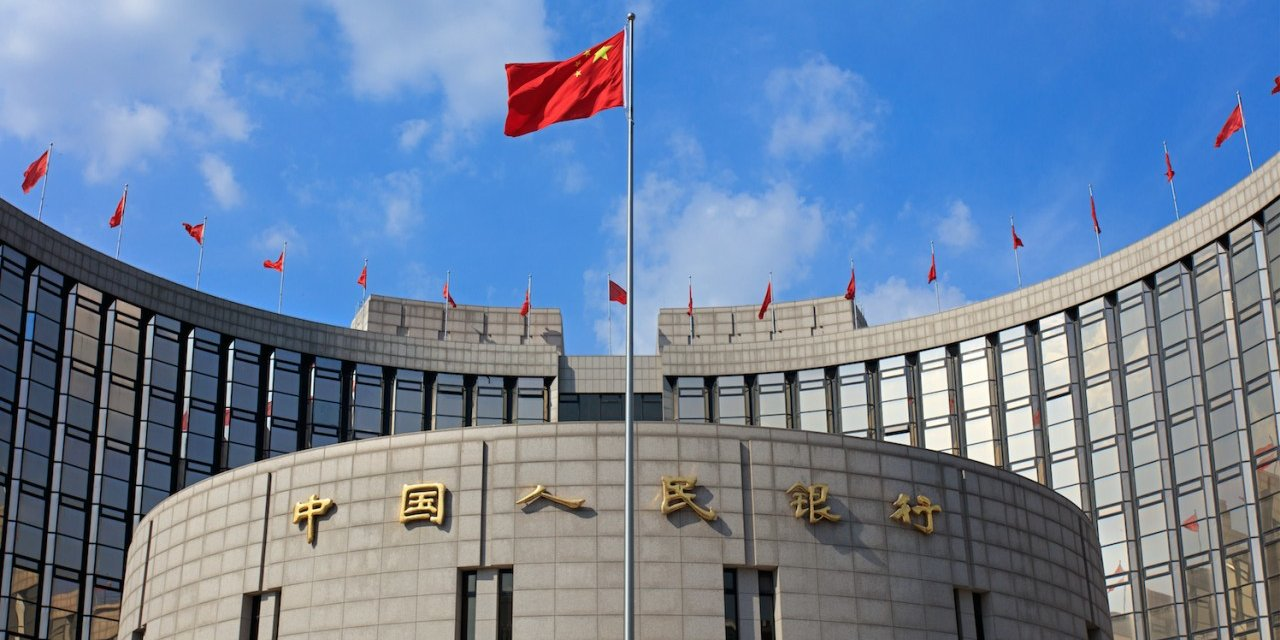

 

China Unveils Broad Stimulus Measures to Revive Economy

China’s central bank announced wide-ranging monetary stimulus and property market measures on Tuesday, aiming to revive an economy facing deflationary pressures and at risk of missing its growth target for the year. The People’s Bank of China (PBOC) revealed plans to lower borrowing costs, increase liquidity, and ease the burden of mortgage repayments for households, marking the latest attempt to restore confidence in the world’s second-largest economy after months of disappointing economic data.

Stocks and bonds in China rallied as Governor Pan Gongsheng outlined the measures, which include cutting banks’ reserve requirement ratios (RRR) by 50 basis points (bps). This move will free up around 1 trillion yuan ($141.93 billion) for new lending, though credit demand remains weak. The PBOC will also lower the seven-day repo rate by 0.2 percentage points to 1.5%, and reduce the medium-term lending facility rate by 30 basis points. Loan prime rates will also see a 20-25 bps cut.

The property market, a major driver of China’s economy, received further support with a 50 bps reduction in average interest rates for existing mortgages and a reduction in the minimum down payment to 15% for all types of homes. China’s property market has been in decline since its peak in 2021, and the crisis has heavily impacted consumer confidence, with 70% of household savings tied to real estate.

Despite earlier efforts to lower mortgage rates and downpayment requirements, demand for homes remains weak, and prices continue to fall. August’s economic data missed expectations, adding urgency to the stimulus package. Analysts warn, however, that these measures may not be sufficient to fully restore growth unless complemented by stronger fiscal policies.

Local governments have accelerated bond issuance to fund infrastructure projects, and analysts expect further support measures in the coming weeks as China aims to meet its roughly 5% growth target for the year. The recent U.S. Federal Reserve rate cut has provided room for the PBOC to ease its own monetary policies without putting too much pressure on the yuan.

Analysts, including those from investment banks such as Goldman Sachs and UBS, have already downgraded their growth forecasts for 2024, but they see Tuesday’s measures as a positive step towards economic recovery. ING’s Chief Economist for Greater China, Lynn Song, believes there is potential for further easing in the coming months, especially if global central banks continue cutting rates.


Calls for China to Stimulate Growth Intensify Amid Economic Challenges

Economists are increasingly advocating for China to implement stimulus measures to boost its economic growth, with calls coming from within the country. Liu Shijin, a former deputy head of China’s Development Research Center, has proposed that China issue at least 10 trillion yuan ($1.42 trillion) in ultra-long government bonds over the next year or two to invest in human capital. In a presentation at Renmin University’s China Macroeconomy Forum, Liu emphasized that China should avoid copying the stimulus strategies of developed nations, such as cutting interest rates, as it has not yet reached that level of economic deceleration.

China’s recovery following the COVID-19 pandemic has been slower than expected, with ongoing challenges such as a real estate slump and low consumer confidence. Manufacturing growth has also decelerated, and major financial institutions like Goldman Sachs have lowered their 2024 growth forecasts for China. Goldman Sachs cut its growth estimate to 4.7%, citing weaker-than-expected data and the delayed impact of fiscal policies.

Despite Beijing’s efforts to address economic concerns, such as targeted subsidies for consumer goods, the effects have been limited. Retail sales in August saw minimal growth, rising only 2.1% year-on-year, one of the slowest rates since the post-pandemic recovery. Meanwhile, the ongoing real estate slump, which once accounted for over a quarter of the Chinese economy, remains a significant drag on growth.

Economist Xu Gao of Bank of China International highlighted the real estate market as a key issue, pointing out that consumer demand exists, but concerns over property developers failing to complete pre-sold units have deterred homebuyers. Xu urged the government to take more robust measures, including bailing out property owners, to stabilize the housing market.

While China’s leadership has prioritized advanced manufacturing and technological development in the face of U.S. restrictions, experts argue that the country needs to focus on fiscal reforms to address immediate economic challenges. Former People’s Bank of China governor Yi Gang recently called for proactive fiscal policy to combat deflationary pressure. However, Yi’s influence on current economic policy is limited, as noted by Gabriel Wildau, managing director at consulting firm Teneo.

China’s economic data from the first half of 2024 showed 5% growth, but local governments are facing fiscal constraints, limiting the effectiveness of infrastructure investment. Ting Lu, Nomura’s Chief China Economist, warned of potential secondary shocks to the economy, suggesting that fiscal policies and reforms should take precedence over monetary policies. Lu also advocated for direct government intervention to stabilize the property market and support local governments struggling under tight financial conditions.

Despite these challenges, some officials remain optimistic. Former vice finance minister Zhu Guangyao expressed confidence that China could achieve its 2024 growth target of around 5%, with long-term GDP growth projected to remain between 4% and 5% annually over the next decade.