Yazılar

China’s Consumer Inflation Rises in August as Producer Price Deflation Deepens, Driven by Weather Disruptions

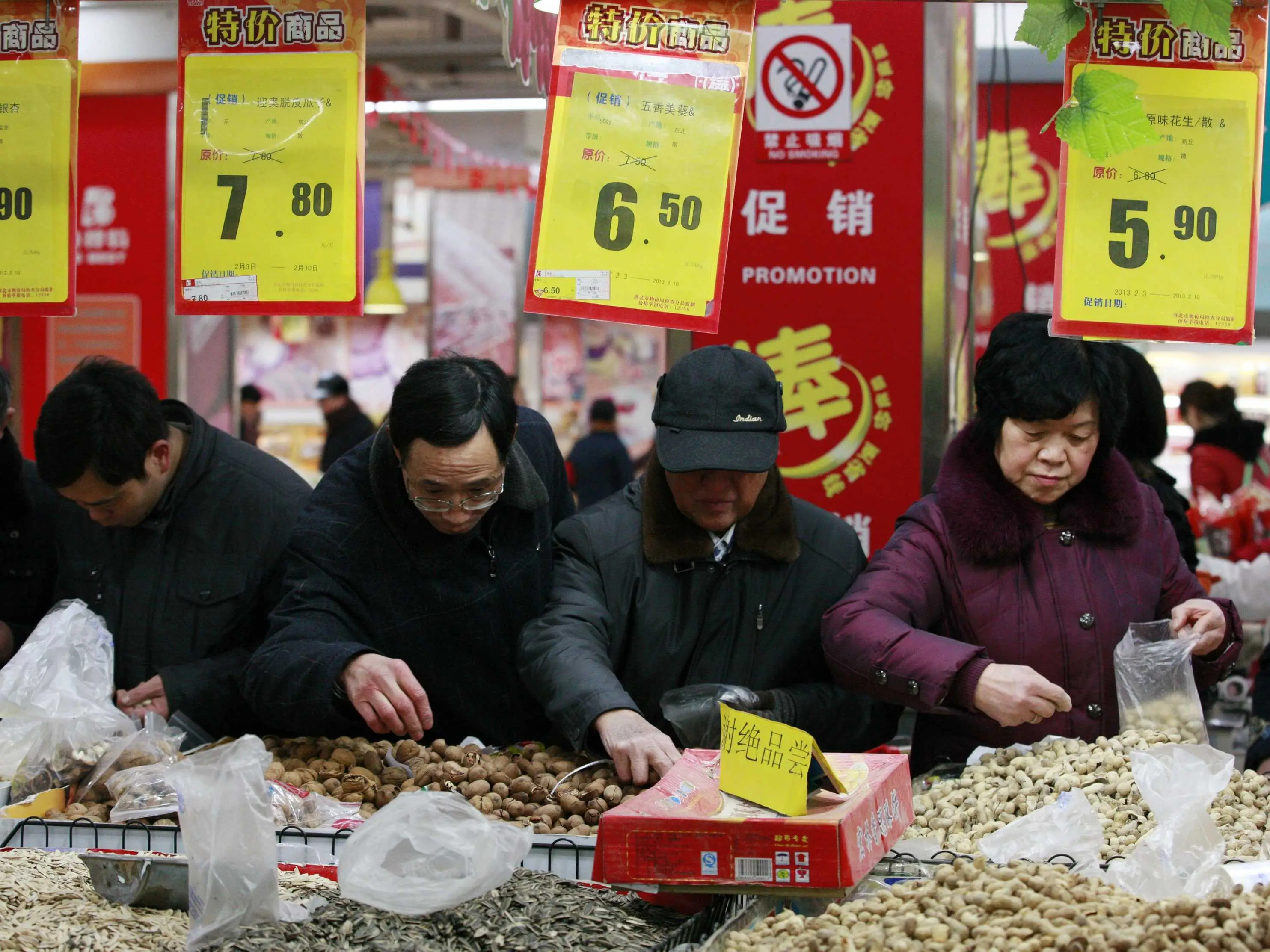
China’s consumer inflation rose in August to its highest rate in six months, primarily driven by rising food costs due to extreme weather conditions, including floods and heatwaves, rather than a recovery in domestic demand. The consumer price index (CPI) increased by 0.6% year-on-year in August, slightly up from July’s 0.5%, but fell short of economists’ forecasts of 0.7%. The spike in food prices, which surged 2.8% from the previous year, was attributed to weather-related disruptions affecting 1.46 million hectares of crops, according to the National Bureau of Statistics (NBS). Despite the increase in CPI, core inflation, which excludes volatile food and fuel prices, dropped to its lowest level in nearly three and a half years, signaling underlying deflationary concerns. The producer price index (PPI), a key gauge of industrial profitability, fell by 1.8% in August, marking the largest decline in four months and exacerbating concerns about deflationary pressures. Economists attribute this to a persistent production surplus and weak demand. China’s yuan weakened and stock markets fell as economic worries intensified. Calls for further fiscal and monetary easing are growing, as analysts warn that existing policies, including a $41 billion national campaign to boost consumer confidence, have so far been insufficient to stimulate demand.

Saudi Arabia’s Fiscal Breakeven Oil Price Rises as Vision 2030 Drives Massive Spending

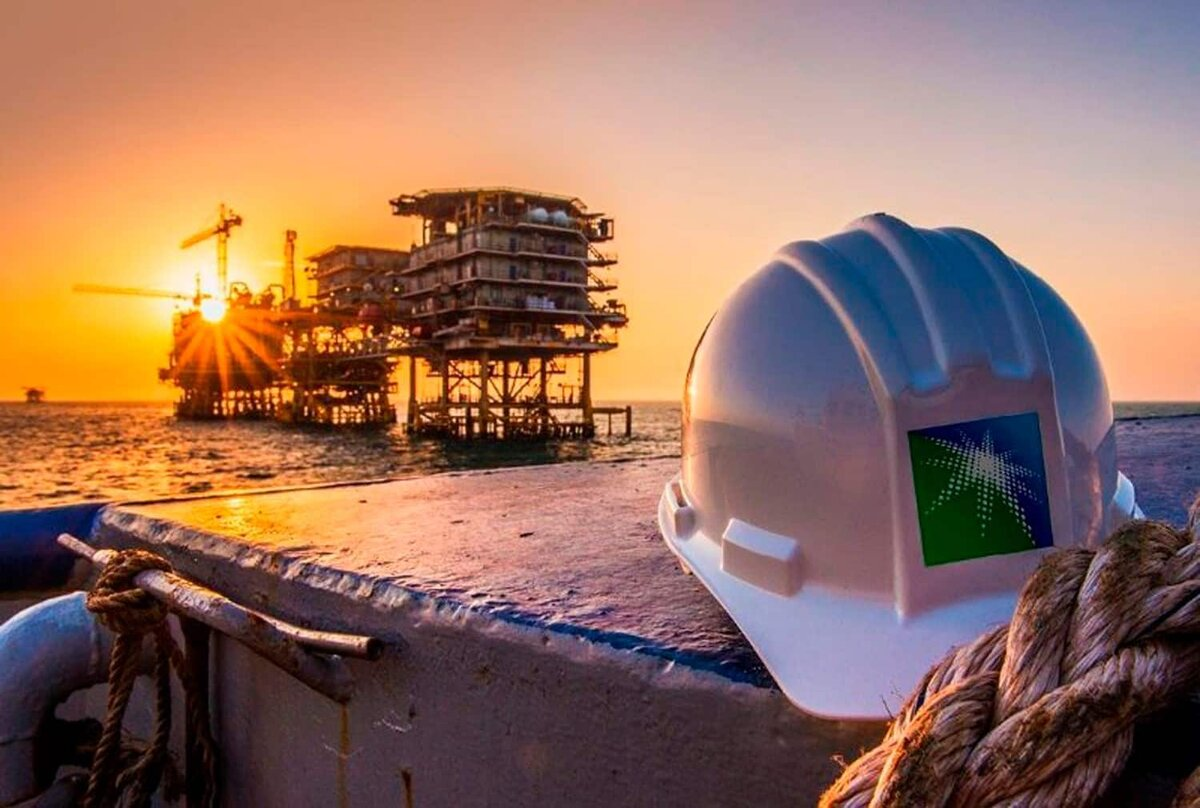
Saudi Arabia, the world’s largest crude oil exporter with production costs as low as $10 per barrel, is facing rising fiscal breakeven oil prices due to its ambitious Vision 2030 plans, which aim to modernize the economy and reduce dependence on oil revenue. With oil accounting for 75% of its fiscal revenue, the kingdom’s budget has become increasingly strained. The International Monetary Fund (IMF) forecasted Saudi Arabia’s breakeven oil price at $80.90 per barrel in 2023, but that figure is expected to rise to $96.20 in 2024 as the country invests heavily in major projects and prepares to host global events like the World Cup 2034 and Expo 2030. Some analysts believe the breakeven price could reach $100 or higher, including the financial demands of the kingdom’s Public Investment Fund (PIF) for multitrillion-dollar projects like NEOM. Despite the challenges, Saudi Arabia’s strong foreign currency reserves, low public debt relative to international standards, and bond market access give it flexibility to manage deficits. While risks such as potential global economic slowdowns and increasing oil supply from non-OPEC+ countries remain, the kingdom’s focus on economic diversification has shown promise, with non-oil sectors growing and job creation on the rise. The newly approved investment law is expected to further enhance foreign investment, although uncertainties surrounding global oil demand persist, especially in light of geopolitical tensions and trade wars between major economies.