Yazılar

France Blames Britain for Channel Migrant Crisis as Deaths Continue

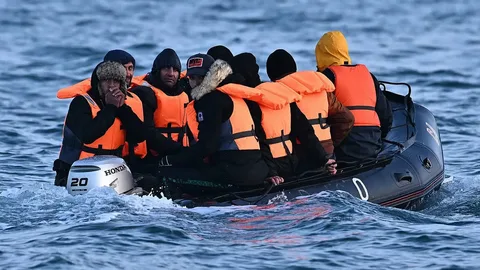
In the wake of recent migrant deaths in the Channel, French officials and locals have shifted their focus from the criminal smuggling gangs to what they perceive as the root cause of the crisis: Britain’s appeal as a destination for migrants. French rescue teams, having dealt with another tragedy, quickly cleared the scene, leaving behind a somber reminder of the ongoing crisis. Boulogne’s mayor, Frederic Cuvillier, expressed deep frustration over the loss of lives, highlighting the tragic irony of migrants seeking a better life only to perish en route.

The French and British responses to these incidents diverge significantly. While the UK primarily condemns the smuggling networks responsible for the dangerous crossings, France’s emphasis has increasingly been on Britain’s role in attracting migrants. French officials argue that Britain’s less regulated job market acts as a magnet for migrants from various regions, including Eritrea, Sudan, Afghanistan, Syria, and Iraq. This view is echoed by French Interior Minister Gerald Darmanin, who has called for a new migrant treaty between Britain and the European Union to address the issue.

Locals along France’s northern coast share this sentiment, feeling that their communities have been unduly burdened by what they see as a problem driven by Britain’s policies. They resent the transformation of their local environment due to the ongoing migrant crisis, which they believe is exacerbated by Britain’s relatively open labor market.

The French government has ramped up its efforts to combat the smuggling gangs, using increased manpower, advanced surveillance technology, and expanded patrols. However, smugglers are adapting by launching boats from more remote locations and employing increasingly dangerous tactics. The violence against French police on the beaches and the use of overcrowded, unsafe boats reflect the escalating risks faced by migrants and authorities alike.

Despite these efforts, the French media and public seem less focused on the immediate crisis, with recent deaths in the Channel barely making headlines amidst the country’s political challenges. The prevailing sentiment in France is that without addressing the underlying draw of Britain’s job market, efforts to curb the crisis will be insufficient.

The Millau Viaduct: How the World’s Tallest Bridge Transformed the Map of Europe

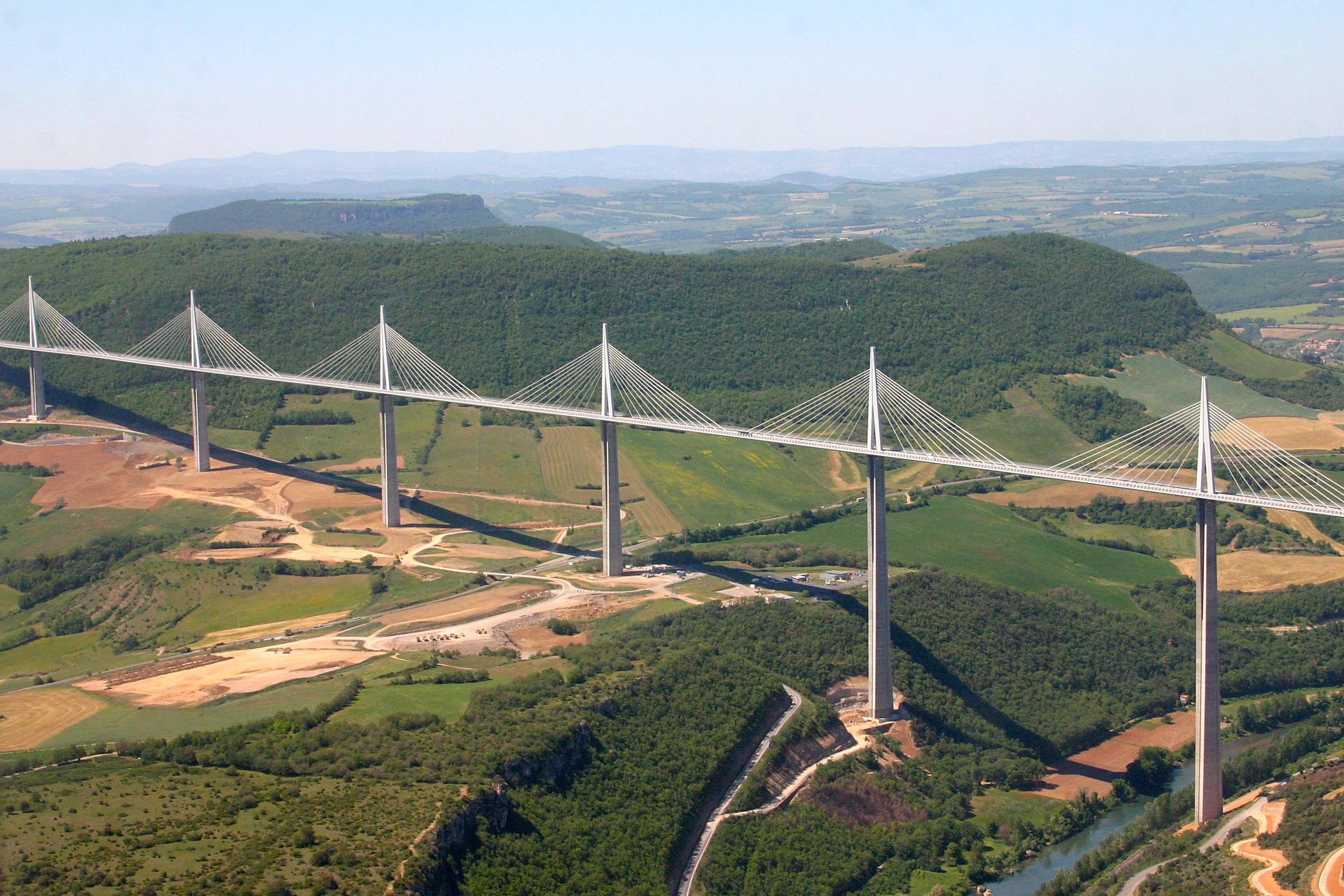
The Millau Viaduct, a stunning feat of engineering and design, has significantly reshaped Europe’s landscape and transportation network. Spanning the Tarn gorge in southern France, this bridge stands as the world’s tallest, with a structural height of 336.4 meters (1,104 feet), and stretches 2,460 meters (8,070 feet) in length. Its striking presence is so notable that it can be seen from space and has become a major destination for tourists.

Unlike traditional bridges that connect points of similar elevation, the Millau Viaduct arches gracefully across a valley, its seven piers ranging from 78 to 245 meters (256 to 804 feet) in height. The bridge’s design includes expansive 342-meter (1,122-foot) spans, allowing it to elegantly navigate the undulating terrain. Its road deck, weighing 36,000 tons and measuring about 14 feet thick, is supported by steel pylons and cable stays that ensure stability and smoothness for travelers.

The viaduct’s creation was driven by the need to alleviate traffic congestion in Millau and improve north-south travel across France. The region’s challenging geography, characterized by deep valleys and highlands, made the project both complex and critical. The French government, aiming to enhance the road network and resolve severe traffic issues, initiated the project in the 1980s.

The design phase, led by engineer Michel Virlogeux and architect Norman Foster, involved overcoming significant challenges. The team decided on a cable-stayed bridge to balance aesthetic beauty with structural efficiency. The viaduct’s slender, elegant design was intended to blend with the natural landscape rather than dominate it.

Construction began in October 2001 and was completed in December 2004, costing approximately 400 million euros ($437 million). Despite initial local opposition fearing the bridge would mar the scenic beauty of the area, the viaduct ultimately enhanced the landscape and attracted tourists. Its creation resolved long-standing traffic issues and transformed Millau into a prominent destination.

The viaduct not only improved travel efficiency but also contributed to environmental benefits by reducing CO2 emissions from heavy vehicles. As it nears its 20th anniversary, the Millau Viaduct remains a testament to modern engineering and design, continuing to captivate visitors and stand as a symbol of innovative infrastructure.

Coinbase Secures License as Virtual Asset Services Provider in France

Coinbase, a prominent US-based cryptocurrency exchange, has achieved a significant milestone by securing a license to function as a virtual asset service provider (VASP) in France. This recent development marks Coinbase’s official registration with the Autorité des marchés financiers (AMF), France’s financial markets authority. While Binance has garnered approvals across numerous international jurisdictions, excluding the US, Coinbase seems to be charting a similar path, especially in light of heightened scrutiny from the US Securities and Exchange Commission (SEC).

Devamını Oku