Yazılar

STMicroelectronics Considers Job Cuts in France and Italy Amid Restructuring

STMicroelectronics, the French-Italian semiconductor company, is reportedly planning to reduce its workforce by up to 3,000 jobs, or approximately 6% of its employees, across its French and Italian plants. This move is part of a broader restructuring initiative aimed at cost reduction, as reported by Bloomberg News. While the company did not confirm the exact number of job cuts, CEO Jean-Marc Chery mentioned during the company’s fourth-quarter earnings call that talks with unions would begin regarding voluntary headcount reductions, as part of a $300 million cost-saving program.

Union leaders have raised concerns, with FIOM CGIL union officials in both Brianza and Catania, where STMicroelectronics operates plants, seeking reassurance from the Italian government on maintaining current job levels and ensuring new investments and hiring. The company recently introduced an early retirement program, offering one position for every three workers retiring.

Despite these concerns, the company is continuing to receive significant support, including a €2 billion grant from the Italian government for building a new microchip plant that will create 3,000 jobs.


French Prime Minister Michel Barnier Resigns Amid Deepening Political Crisis

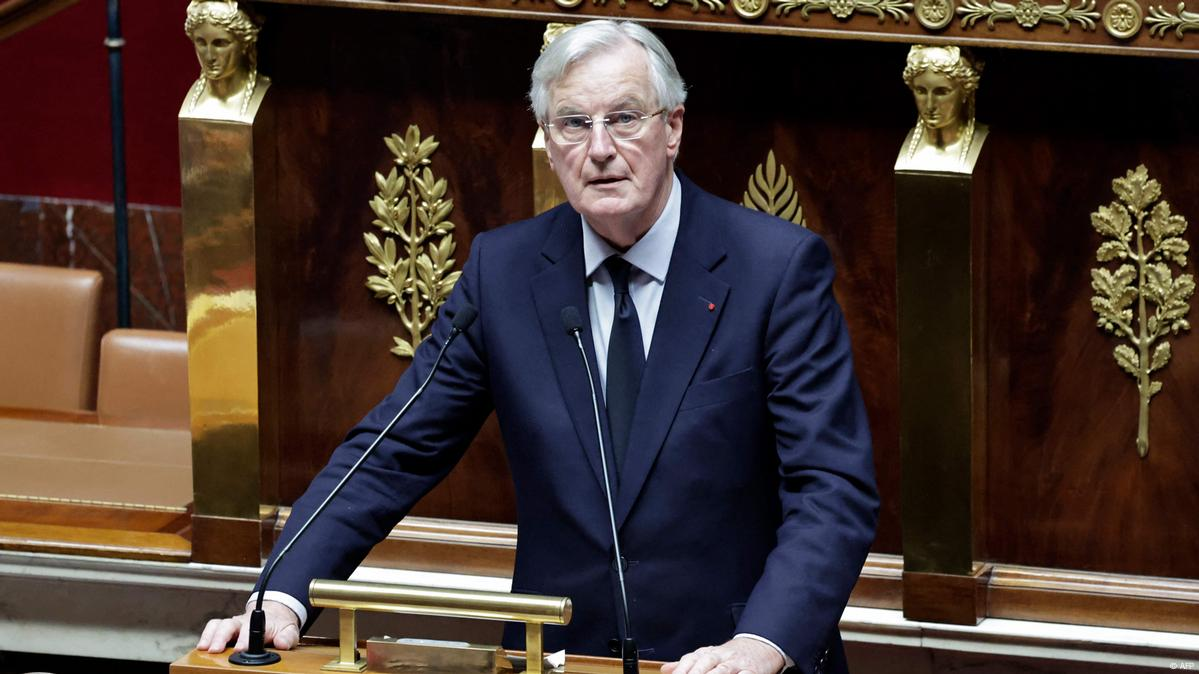
French Prime Minister Michel Barnier announced his resignation on Thursday following a no-confidence vote by far-right and left-wing lawmakers, further plunging France into political turmoil. His tenure will be the shortest in modern French history, ending as he formally submits his resignation at 10 a.m. local time (0900 GMT).

The no-confidence vote was a response to Barnier’s attempt to push through a controversial budget proposal without parliamentary approval. The proposed budget aimed to cut €60 billion ($63 billion) to reduce France’s widening deficit, a move criticized by Marine Le Pen’s far-right National Rally for disproportionately impacting working-class citizens.

A Crisis in Leadership

Barnier’s resignation marks a historic political moment, with no French government losing a confidence vote since Georges Pompidou’s administration in 1962. The crisis highlights growing divisions within French politics, as well as the diminished authority of President Emmanuel Macron, who has faced mounting calls to step down. An online poll conducted after the vote revealed that 64% of voters believe Macron should resign, though his mandate extends until 2027, and he cannot be forced out of office.

The political chaos stems from Macron’s contentious decision to call a snap election in June, leaving the current parliament fractured and unruly. Marine Le Pen blamed Macron for the ongoing instability, saying, “The dissolution [of parliament] and censorship [of the government] are the consequence of his policies and the considerable divide between him and the French.”

Economic and Political Fallout

The no-confidence vote has left France without a stable government or an approved budget for 2025. While the constitution allows for special measures to prevent a government shutdown, uncertainty over leadership is expected to weigh heavily on the economy. French sovereign bonds and stocks have already felt the impact, with the risk premium on French debt reaching its highest level in over 12 years.

Analysts at Société Générale warned that prolonged political uncertainty could dampen investment and consumer spending. “Until potential new elections, ongoing political uncertainty is likely to keep the risk premium on French assets elevated,” the analysts noted.

Xavier Bertrand, a prominent conservative politician, expressed frustration over the situation. “It’s as if the two extremes, [the hard-left] France Unbowed and the National Rally, have become the center of political life,” he remarked.

A Race to Restore Stability

President Macron is reportedly aiming to appoint a new prime minister swiftly, with sources suggesting an announcement could come before Saturday’s Notre-Dame Cathedral reopening ceremony, which U.S. President-elect Donald Trump is scheduled to attend. However, any new premier will face the same challenges in navigating a deeply divided parliament, where new elections cannot be held until July.

The broader implications extend beyond France, as the political upheaval adds to the European Union’s existing challenges, including Germany’s coalition government collapse. With critical economic policies on hold and widespread voter dissatisfaction, the crisis underscores the growing polarization in France’s political landscape.

EU Governments Set to Vote on Chinese EV Tariffs Amid Concerns Over Retaliation

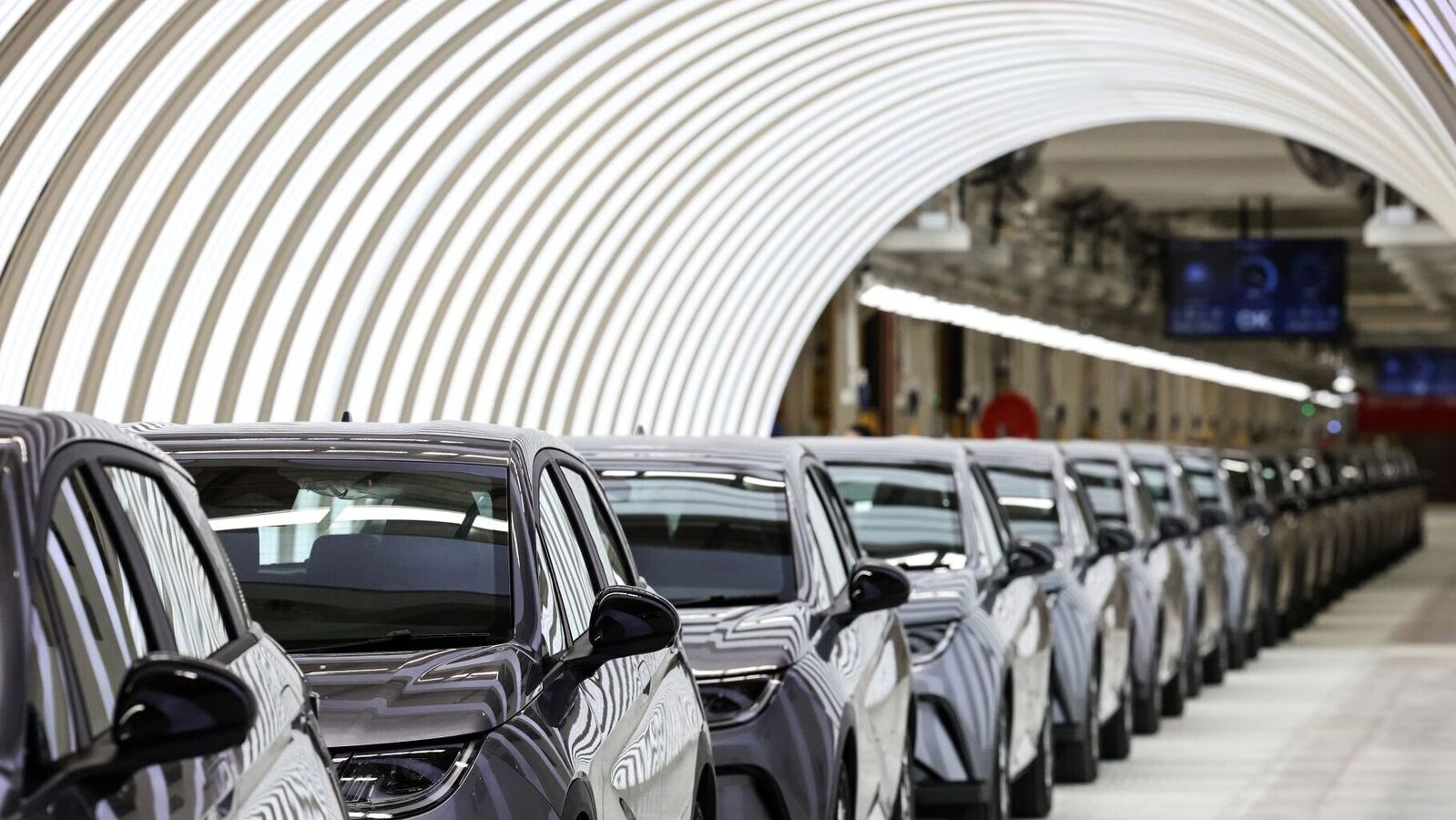
European Union member states are preparing for a crucial vote on Friday to determine whether to impose tariffs of up to 45% on Chinese-made electric vehicles (EVs). The proposed tariffs follow a year-long anti-subsidy investigation, which concluded that Chinese EVs benefit from unfair government subsidies, distorting competition within the EU market. The vote comes amid concerns of potential retaliation from Beijing, which has already initiated its own probes into European imports.

The European Commission, which manages trade policy for the bloc, has proposed the tariffs for the next five years. However, under EU rules, the decision requires a qualified majority, meaning 15 EU countries representing 65% of the bloc’s population must support or reject the proposal. If the vote is split, the Commission can still move forward with the tariffs but may also opt to amend the proposal to gain broader support.

France, Italy, Greece, and Poland have reportedly voiced their support for the tariffs, ensuring there won’t be a blocking majority against the measures. Meanwhile, Germany, the EU’s largest economy and a major car producer, is expected to vote against the tariffs. German automakers, such as Volkswagen, have expressed strong opposition, citing the significant share of their sales that come from the Chinese market, which accounts for almost a third of their global revenue. Volkswagen has labeled the proposed tariffs as “the wrong approach.”

The stance of Spain has shifted in recent days. Previously in favor of tariffs, Spanish officials have now called for a continuation of negotiations rather than imposing immediate duties. In a letter to European Commission Vice President Valdis Dombrovskis, Spain’s economy minister suggested seeking a deal on prices and relocating battery production to the EU. Spanish Prime Minister Pedro Sanchez had also indicated a desire to reconsider the EU’s position during his visit to China.

While some EU countries remain cautious of China’s reaction, the bloc’s relationship with China has become more complex over the past five years. The EU now views China not only as a partner but also as a competitor and systemic rival. In light of China’s 3 million surplus EV production capacity — double the size of the EU market — Europe has emerged as the most viable market for Chinese exports, especially given the 100% tariffs imposed by the United States and Canada on Chinese EVs.

The Commission remains open to further negotiations with China, considering alternatives to tariffs. A possible solution could involve setting minimum import prices based on various criteria, including EV range, battery performance, and vehicle specifications. The current tariff proposal includes additional duties of 7.8% for Tesla and 35.3% for SAIC and other non-cooperating companies, on top of the EU’s standard 10% import duty for cars.

As the EU prepares for this pivotal vote, the outcome will likely have far-reaching consequences for EU-China trade relations, the European automotive market, and the broader global EV supply chain.