Yazılar

Albania TikTok Ban Sparks Debate Over Freedom of Speech

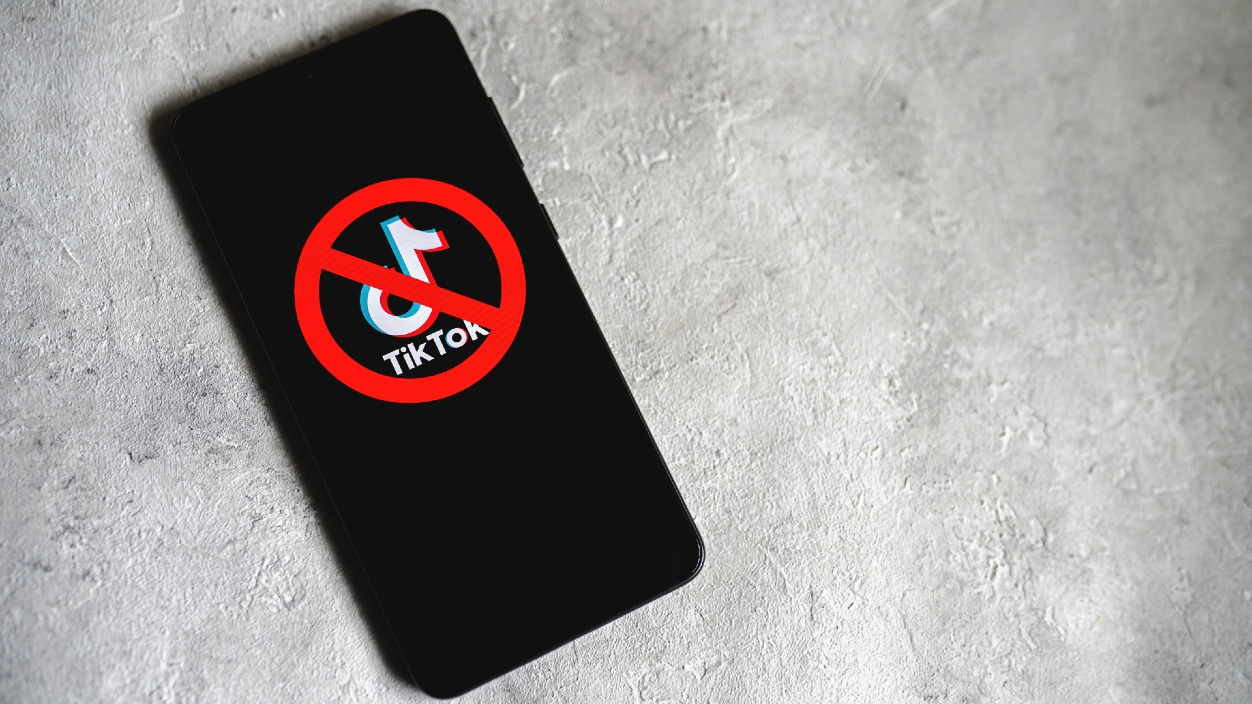
Albania’s recent decision to impose a year-long ban on TikTok has ignited a heated debate about freedom of speech and its potential impact on business operations. The ban, announced by Prime Minister Edi Rama on December 21, follows the stabbing death of a 14-year-old boy in November, which was reportedly linked to online clashes between students. The government claims the move is aimed at reducing youth violence, but critics argue it threatens both commerce and civil liberties ahead of the country’s May elections.

For small business owners like Ergus Katiaj, who uses TikTok to promote his shop in Tirana, the ban could have a significant financial impact. Katiaj relies on the app to attract customers for late-night deliveries of potato chips, cigarettes, and alcohol, with TikTok’s free marketing adding roughly 1,000 euros to his monthly earnings. He expressed concerns about the loss of this tool, emphasizing how TikTok has become essential for local businesses.

The ban comes amid growing concerns globally about the potential harms of TikTok, particularly in relation to security issues tied to its owner, China-based ByteDance, and its connection to the Chinese government. More than 20 countries have already imposed bans or restrictions on the app, citing concerns about inappropriate content or data privacy risks. However, critics in Albania view the move as part of a broader effort by Rama to stifle political dissent, especially after a year of unrest marked by violent protests against the imprisonment of opposition leaders.

Rights groups and opposition politicians have voiced concerns that the ban is a dangerous precedent that could lead to governments shutting down other platforms at will. Orkidea Xhaferaj of the Tirana-based think tank SCiDEV warned that such actions could limit citizens’ ability to freely communicate and organize, particularly as TikTok has become a powerful tool for opposition groups to spread their message.

TikTok itself has questioned the Albanian government’s decision, stating that reports suggest the violent videos leading up to the incident were posted on another platform, not TikTok. The company is seeking clarification from the government about the basis for the ban.

In addition to concerns over free speech, the decision has sparked fears that it may be a move to curtail opposition communication ahead of the upcoming elections. Arlind Qori, leader of the opposition party Bashke, argued that the ban would undermine the ability of political opponents to reach voters, calling it an attempt to silence dissent.

Prime Minister Rama, however, has defended the ban as a protective measure for young people. He reiterated that the Albanian version of TikTok would not showcase harmful content, unlike the international version, which he described as a platform for “scum and scoundrels.” Rama emphasized the need to protect youth from such influences.

 

Trump Asks Supreme Court to Delay TikTok Ban for Potential Political Resolution

President-elect Donald Trump has called on the U.S. Supreme Court to delay the implementation of a law that would ban the popular social media app TikTok or compel its Chinese parent company, ByteDance, to sell the platform to a U.S. entity. The law, set to take effect on January 19, 2025, would force divestment or result in a nationwide ban on TikTok, which has over 170 million users in the United States.

The Supreme Court is scheduled to hear arguments on the case on January 10, but Trump’s legal team has requested a stay on the law’s deadline to allow his incoming administration time to explore a political resolution to the matter. “President Trump takes no position on the underlying merits of this dispute,” said his lawyer, D. John Sauer, who is also the president-elect’s nominee for U.S. solicitor general. “Instead, he respectfully requests that the Court consider staying the Act’s deadline… to permit President Trump’s incoming administration the opportunity to pursue a political resolution.”

This stance represents a reversal from Trump’s earlier position in 2020 when he attempted to ban TikTok and force its sale due to concerns about its Chinese ownership. However, during his presidential campaign, Trump appeared to soften his approach, meeting with TikTok CEO Shou Zi Chew in December and expressing a “warm spot” for the app. Trump even credited TikTok with helping him gain billions of views during his campaign.

TikTok and ByteDance have contested the law, arguing that the U.S. government has mischaracterized their ties to China. The company maintains that U.S. user data and content moderation decisions are handled domestically, with data stored on Oracle-operated servers in the United States. Despite these assurances, the U.S. Justice Department and most lawmakers argue that Chinese control of TikTok poses a national security risk.

Opponents of the ban, including free speech advocates, have voiced concerns that the legislation echoes censorship practices of authoritarian regimes. However, Montana Attorney General Austin Knudsen, supported by 22 state attorneys general, filed an amicus brief urging the Supreme Court to uphold the law, emphasizing the importance of addressing national security risks associated with Chinese influence over the app.

The outcome of this case could have significant implications for U.S.-China relations, free speech, and the future of TikTok in America. For now, Trump’s request seeks to buy time for a potential diplomatic or legislative resolution as the nation awaits the Court’s decision.

U.S. Court Denies TikTok’s Request to Delay Pending Ban

A U.S. appeals court on Friday rejected TikTok’s emergency motion to temporarily halt enforcement of a law requiring its Chinese parent company, ByteDance, to divest the app by January 19, leaving TikTok with limited options to prevent a potential shutdown in the United States.

TikTok and ByteDance had filed the motion earlier in the week with the U.S. Court of Appeals for the District of Columbia, seeking more time to prepare their case for the Supreme Court. The companies argued that the law would effectively ban TikTok, a platform with over 170 million monthly users in the U.S., and significantly harm free speech.

The appeals court denied the request, noting that TikTok and ByteDance failed to cite precedent for a court enjoining a congressional act while awaiting Supreme Court review. “We find no case in which such action has been taken,” the court said in its unanimous order.

Following the ruling, TikTok announced plans to escalate the matter to the Supreme Court. A TikTok spokesperson emphasized the platform’s role as a critical speech platform and expressed confidence in the Court’s history of upholding free speech protections.

The law in question mandates that ByteDance divest its ownership of TikTok by January 19 or face a U.S. ban on the app. It also empowers the government to prohibit other foreign-owned apps deemed a national security risk due to data collection practices.

The U.S. Justice Department has defended the law, asserting that ByteDance’s control of TikTok poses “a continuing threat to national security.” TikTok disputes this claim, highlighting that U.S. user data and content moderation are managed domestically, with data stored on Oracle-operated cloud servers.

If the Supreme Court does not overturn the ruling, the app’s fate will hinge on decisions by President Joe Biden and his successor, President-elect Donald Trump. Biden must determine whether to grant a 90-day extension to the January 19 deadline, while Trump, who takes office the following day, has historically opposed a TikTok ban. However, Trump recently indicated he would not pursue the ban if elected.

On a related front, members of the U.S. House of Representatives committee on China have urged Alphabet (Google’s parent) and Apple to prepare to remove TikTok from their app stores if the law takes effect on January 19.