Yazılar

US Supports Musk’s Argument in Lawsuit Against OpenAI

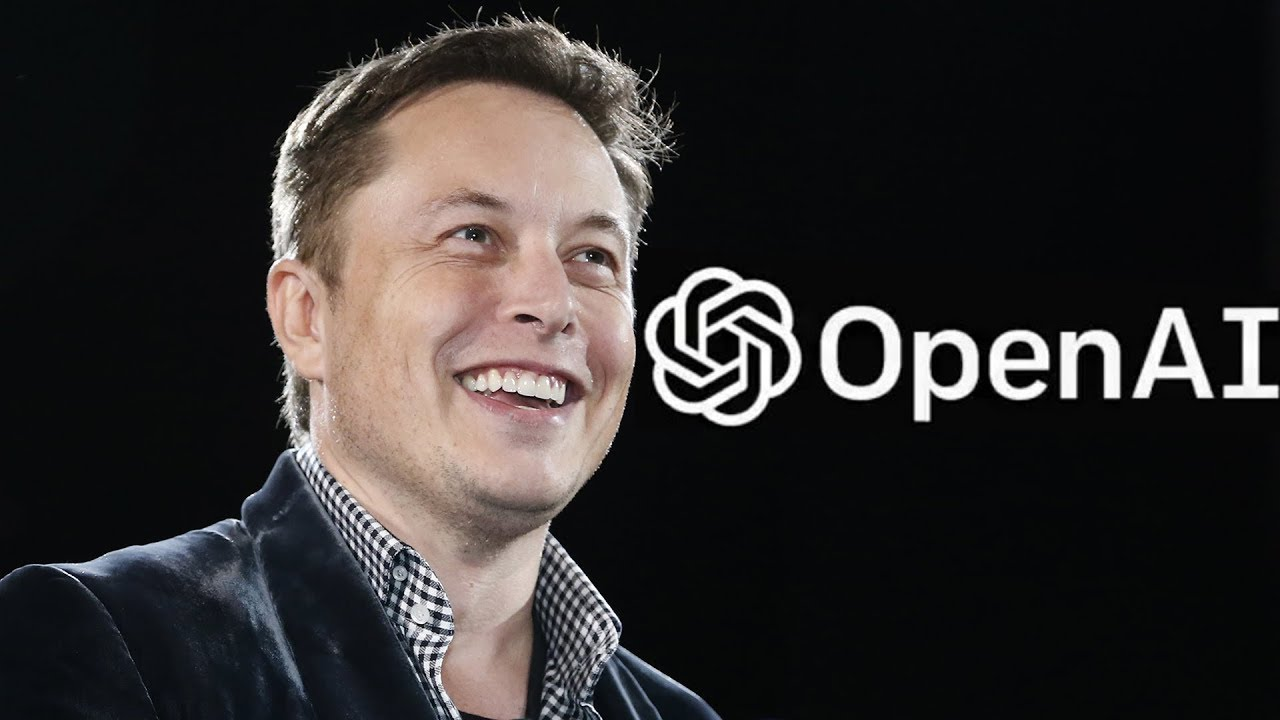
U.S. antitrust regulators have weighed in on Elon Musk’s lawsuit seeking to block OpenAI’s transition into a public company, reinforcing his claims that OpenAI and Microsoft engaged in anticompetitive practices. Although the Federal Trade Commission (FTC) and the Department of Justice (DOJ) did not express a direct opinion on the lawsuit, they provided legal analysis that backs Musk’s argument ahead of a crucial hearing in Oakland, California.

Musk, who co-founded OpenAI and owns AI startup xAI, alleges that OpenAI violated antitrust laws by requiring investors to avoid funding rival artificial intelligence companies and by sharing board members with Microsoft, which is also named in the lawsuit. The lawsuit asserts that these actions harmed competition in the AI market.

In response, OpenAI dismissed the lawsuit, claiming that Musk’s allegations lack evidence and are merely harassment. The company also argued that the claims regarding board member affiliations were irrelevant, as two former Microsoft-affiliated board members—Reid Hoffman and Deannah Templeton—are no longer associated with OpenAI.

However, the FTC and DOJ emphasized that even former board members could still possess sensitive competitive information, which could have implications for antitrust law violations. The authorities also stated that a group investor boycott, as Musk alleges, could be illegal even if the organizer was not a direct investor, reinforcing Musk’s claims of anticompetitive conduct.

The FTC is currently investigating partnerships in AI, including the collaboration between OpenAI and Microsoft, to determine if there have been violations of antitrust or consumer protection laws.

Regulatory Conditions Cleared for Novo Holdings’ $16.5 Billion Catalent Acquisition

Novo Holdings announced on Saturday that all regulatory conditions for its $16.5 billion acquisition of U.S. contract drug manufacturer Catalent have been fulfilled. The companies anticipate completing the transaction in the coming days.

The acquisition, initially agreed upon in February, is part of Novo Holdings’ strategy to increase production of the blockbuster weight-loss drug Wegovy, developed by its affiliate Novo Nordisk. As part of the agreement, Novo Holdings will sell three of Catalent’s factories located in Italy, Belgium, and the United States to Novo Nordisk for $11 billion. These facilities specialize in filling injection pens under sterile conditions.

Novo Holdings is the controlling shareholder of Novo Nordisk, the Danish pharmaceutical giant behind the popular GLP-1 injectable drug Wegovy. Novo Nordisk stated that while the acquisition aligns with its strategic goals, it is expected to have a mid single-digit negative impact on operating profit growth in 2025. Consequently, the company does not plan to initiate a share buyback program for the year.

Regulatory and Antitrust Scrutiny

The deal has faced close regulatory scrutiny. Earlier in December, the European Commission granted EU antitrust approval, stating that the merger posed no competition concerns within the European Economic Area (EEA).

In the United States, the acquisition drew criticism from consumer groups, labor unions, and policymakers. U.S. Senator Elizabeth Warren urged the Federal Trade Commission (FTC) to scrutinize the deal, citing potential concerns. The FTC had requested additional information on the acquisition in May, but no further updates have been issued.

Strategic Implications

The transaction underscores Novo Holdings’ commitment to expanding its role in the manufacturing and distribution of high-demand pharmaceuticals. By integrating Catalent’s production capabilities, Novo Holdings aims to meet the growing demand for weight-loss treatments while maintaining compliance with global competition regulations.