Yazılar

US-UAE AI Data Campus Deal Faces Delays Amid Security Concerns

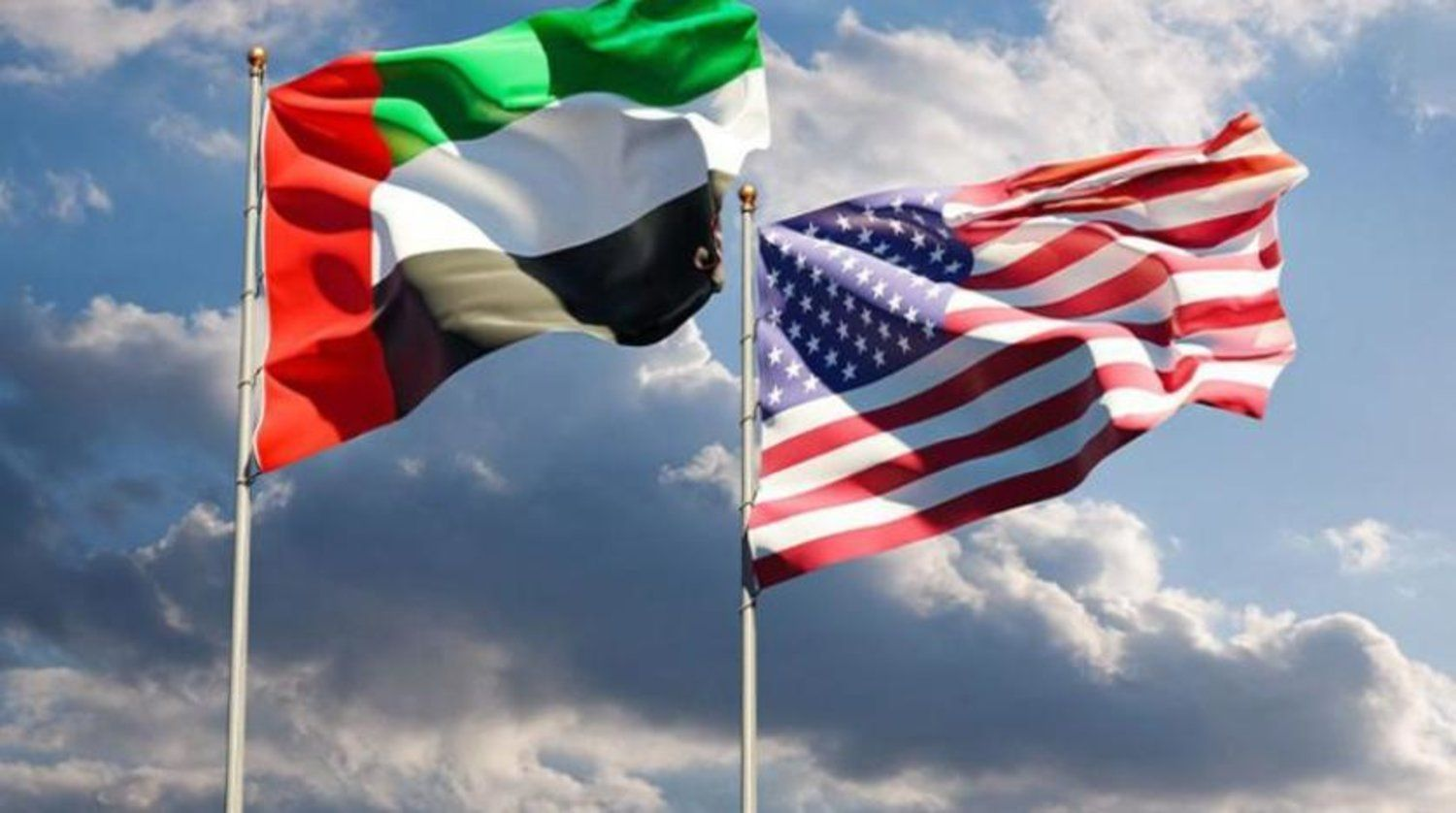
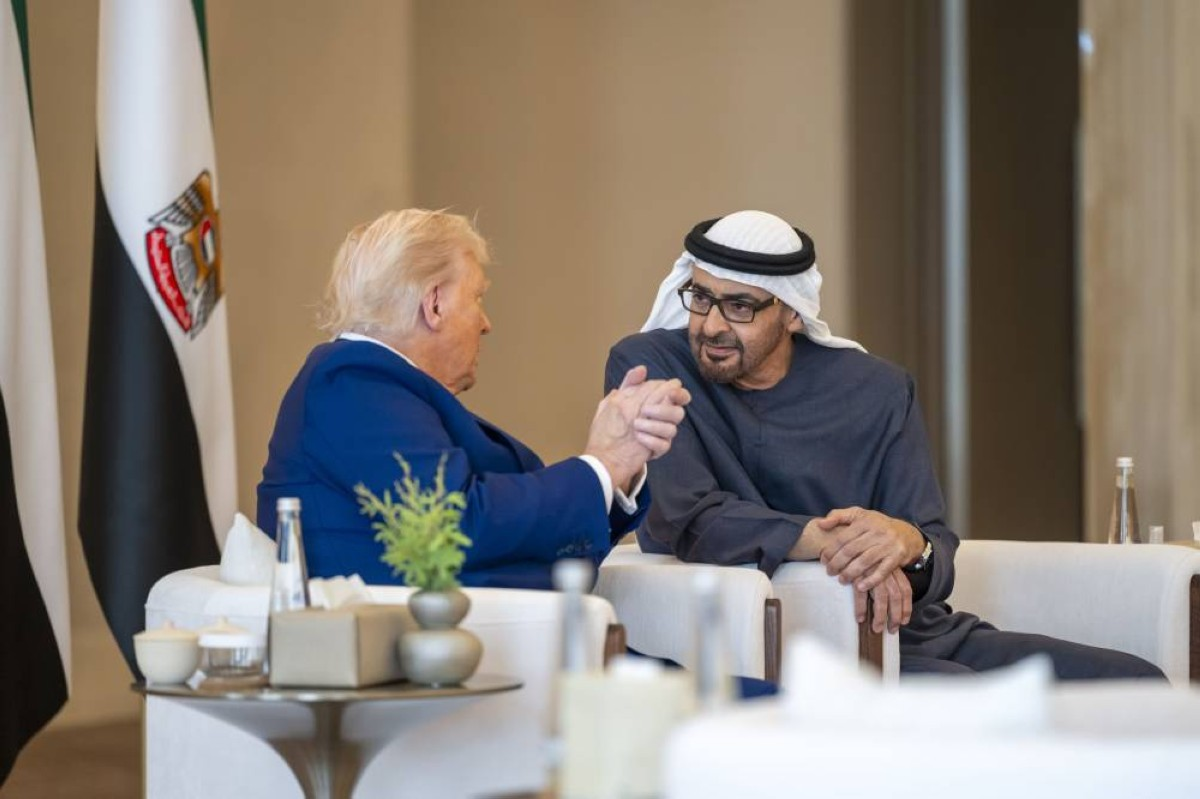
A multi-billion dollar agreement to establish one of the world’s largest artificial intelligence data center hubs in the United Arab Emirates (UAE) remains far from finalized, according to sources familiar with the negotiations. Despite its high-profile announcement during President Donald Trump’s recent visit to Abu Dhabi, persistent U.S. security concerns continue to stall progress.

The planned 10-square-mile AI campus is being spearheaded by G42, an Emirati state-linked technology firm central to the UAE’s AI ambitions. Major U.S. technology firms including Nvidia, OpenAI, Cisco, Oracle, and Japan’s SoftBank have signed on to help develop the first phase, called Stargate UAE, which is scheduled to become operational in 2026.

The project’s backers have touted it as a significant step toward steering Gulf nations toward U.S. technology and away from Chinese alternatives. However, five sources involved in the discussions told Reuters that U.S. officials remain deeply concerned about potential technology transfers to China and the UAE’s ability to enforce strict export controls.

Although the UAE pledged during Trump’s visit to align its national security regulations with Washington — including measures to prevent diversion of U.S.-origin technology — American officials remain cautious. These concerns mirror those raised during both the Biden and Trump administrations, particularly over the UAE’s previous deployment of Huawei 5G infrastructure despite U.S. objections.

Sources indicated that the U.S. Commerce Department has yet to determine the security protocols required for exporting advanced Nvidia AI chips critical to the project. The absence of an agreed enforcement mechanism further complicates the deal, leaving it without a definitive timeline for completion.

Among the likely U.S. conditions are prohibitions on Chinese technology at the site and restrictions on employing Chinese nationals, given ongoing fears of AI chip smuggling and intellectual property leaks to adversaries. While the UAE has dismantled some Chinese partnerships—such as G42 removing Chinese hardware and divesting from certain Chinese holdings under Biden administration pressure—Chinese firms like Huawei and Alibaba Cloud still maintain a strong presence in the country.

Adding to U.S. unease is the UAE’s growing role as a hub for companies circumventing Western sanctions on Russia, further complicating Washington’s strategic calculus. Despite these challenges, both Trump administration officials and some in the current administration remain committed to pursuing the deal, though bipartisan skepticism remains strong in Congress.

Once operational, Stargate UAE is expected to house roughly 100,000 advanced Nvidia Grace Blackwell GB300 AI chips within a 1-gigawatt facility — potentially expanding to 5 gigawatts in the future. The Emirati government has so far not commented on the latest delays, and no final agreement has been reached on technology controls or operational oversight.

UAE’s ‘Stargate’ AI Megaproject to Launch in 2026 with 100,000 Nvidia Chips

A landmark AI infrastructure project in Abu Dhabi, dubbed Stargate UAE, is set to begin operations in 2026, becoming one of the largest and most advanced artificial intelligence data centers outside the United States. The project will be powered by an estimated 100,000 Nvidia chips, marking a significant step in the UAE’s ambition to become a global AI superhub.

The 1-gigawatt first phase is part of a broader 5-gigawatt, 10-square-mile site and represents the first outcome of a U.S.-brokered deal led by President Donald Trump. The partnership involves a collaboration between UAE’s state-backed G42, and major U.S. and Japanese tech firms: OpenAI, Oracle, Nvidia, Cisco Systems, and SoftBank.

Key Highlights:

  • Launch Timeline:

    • First phase (200MW) to be operational by 2026

  • Hardware:

    • Uses Nvidia Grace Blackwell GB300 systems, Nvidia’s most powerful AI chips

    • TrendForce estimates point to 1,400 servers, each with 72 chips, totalling ~100,000 chips

  • Scale:

    • Part of a 5-gigawatt megaproject to house the largest AI infrastructure outside the U.S.

    • Located on a 26 sq-km site in Abu Dhabi

  • Purpose:

    • Will allow UAE government bodies and businesses to access cutting-edge generative AI models

    • Positioned as a “first-in-the-world platform”, according to Oracle’s Larry Ellison

U.S. Policy Reversal

The announcement follows a significant policy shift by the Trump administration, which reversed Biden-era restrictions on exporting advanced AI chips to the UAE due to concerns over the country’s ties to China.

The U.S. Commerce Department will oversee a bilateral working group with the UAE to ensure compliance with:

  • National security standards

  • Ethical AI deployment

  • Global oversight of AI infrastructure

Strategic Implications

  • Geopolitical Impact:

    • The project cements UAE’s growing alignment with U.S. tech interests, even amid global tensions over AI dominance

    • Could challenge China’s AI influence in the Middle East and Africa

  • Commercial Influence:

    • Strengthens partnerships between OpenAI, Nvidia, and Oracle, anchoring them in the Gulf region

    • Offers a new AI deployment and monetization model based on national infrastructure rather than global cloud platforms

  • Regional AI Race:

    • The Stargate initiative follows Saudi Arabia’s recent moves to create its own multimodal Arabic LLMs

    • Marks a regional AI arms race underpinned by state-backed funding and global tech partnerships

UAE to Build World’s Largest AI Campus Outside U.S. Under Landmark Trump-Era Deal

The United Arab Emirates (UAE) and the United States have signed a historic technology agreement to construct the largest artificial intelligence campus outside the U.S., signaling a major policy shift that clears the way for the UAE to access advanced U.S. AI chips, particularly from Nvidia.

Finalized during President Donald Trump’s visit to Abu Dhabi, the deal marks a significant easing of restrictions that previously barred such transfers over U.S. concerns about China’s access to critical technologies.

Key Components of the Agreement:

  • The AI campus, covering 10 square miles (25.9 km²), will be located in Abu Dhabi and have 5 gigawatts of power, enough to support 2.5 million Nvidia B200 chips, per estimates by Rand Corporation analyst Lennart Heim.

  • The facility will be developed by G42, a UAE state-backed firm, but operated and managed by American companies, ensuring compliance with U.S. security protocols.

  • The UAE has committed to build or finance data centers in the U.S. that are at least as powerful as those in the UAE, reinforcing reciprocal investment and security alignment.

Chip Access and U.S. Industry Involvement:

  • Sources say the UAE could be permitted to import up to 500,000 of Nvidia’s most advanced chips annually beginning in 2025.

  • The agreement includes support from U.S. tech giants:

    • Amazon Web Services will collaborate on cybersecurity and cloud adoption.

    • Qualcomm will help establish an AI engineering center in the region.

American companies will operate the data centers and offer American-managed cloud services throughout the region,” said U.S. Secretary of Commerce Howard Lutnick.

Strategic Implications:

The deal represents a recalibration of UAE tech policy, allowing it to:

  • Deepen ties with the U.S. on strategic technologies like compute infrastructure and cloud services

  • Maintain economic ties with China, while minimizing reliance on Chinese hardware in critical infrastructure

It doesn’t mean abandoning China,” said Mohammed Soliman of the Middle East Institute, “but recalibrating tech strategy to align with U.S. standards where it matters most.”

Geopolitical Context:

  • Under Biden, export controls were imposed to prevent chip diversion to China, limiting UAE access.

  • The Trump administration has reversed course, with AI czar David Sacks stating the Biden-era rules were “never intended to capture friends, allies, or strategic partners.”

  • In recent months, G42 and MGX have cut Chinese hardware use and divested from Chinese holdings to meet U.S. compliance conditions.

Still, Huawei and Alibaba Cloud remain active in the UAE, and past AI chip smuggling routes through Singapore, Malaysia, and the UAE have raised flags among U.S. regulators.

This deal marks a strategic turning point not just for U.S.-UAE relations, but for the global AI infrastructure race, cementing the UAE’s ambition to become a top-tier AI superpowerwith Washington’s blessing.