
Yazılar

US Senate Passes Bill to Regulate Stablecoins, Boosting Corporate Adoption Prospects

The U.S. Senate has approved the GENIUS Act, a bill establishing a regulatory framework for stablecoins, marking a significant milestone for the growing segment of cryptocurrency designed to maintain stable value, typically pegged 1:1 to the U.S. dollar. The bill’s passage is seen as a key step toward broader adoption of stablecoins by corporations worldwide.

Stablecoins facilitate crypto traders’ movement of funds between tokens, but clearer regulations have been lacking. The bill now moves to the Republican-controlled House of Representatives, where its version must pass before heading to former President Donald Trump’s desk for signing.

If enacted, the law will require stablecoins to be fully backed by liquid assets—such as U.S. dollars and short-term Treasury bills—and mandate issuers to publicly disclose monthly reserve compositions. Analysts believe this regulatory clarity could unlock wider use by companies across multiple sectors.

Several major firms are already engaged or exploring stablecoin initiatives globally:

  • Major U.S. Banks:
    Bank of America CEO Brian Moynihan has indicated possible stablecoin launches. Morgan Stanley seeks to work with regulators on crypto-related transaction roles. Both remain cautious, focusing on pilot programs or partnerships.

  • Societe Generale (France):
    Plans to issue a publicly tradable, dollar-backed stablecoin via its digital asset subsidiary.

  • Retail Giants Walmart and Amazon:
    Reports suggest recent exploration of stablecoin issuance, though Walmart denies current plans and Amazon has not commented.

  • Banco Santander (Spain):
    Considering digital asset expansion including early-stage stablecoin projects.

  • Crypto and Fintech Firms:
    World Liberty Financial launched a dollar-pegged stablecoin USD1 this year. PayPal released a U.S. dollar stablecoin in August 2023. Circle Internet’s USDC and Paxos’ stablecoins are among the largest. Tether’s USDT remains the largest by market cap, followed by MakerDAO’s DAI.

The GENIUS Act’s passage signals increasing regulatory acceptance of stablecoins, potentially accelerating their integration into mainstream corporate finance and payment systems.
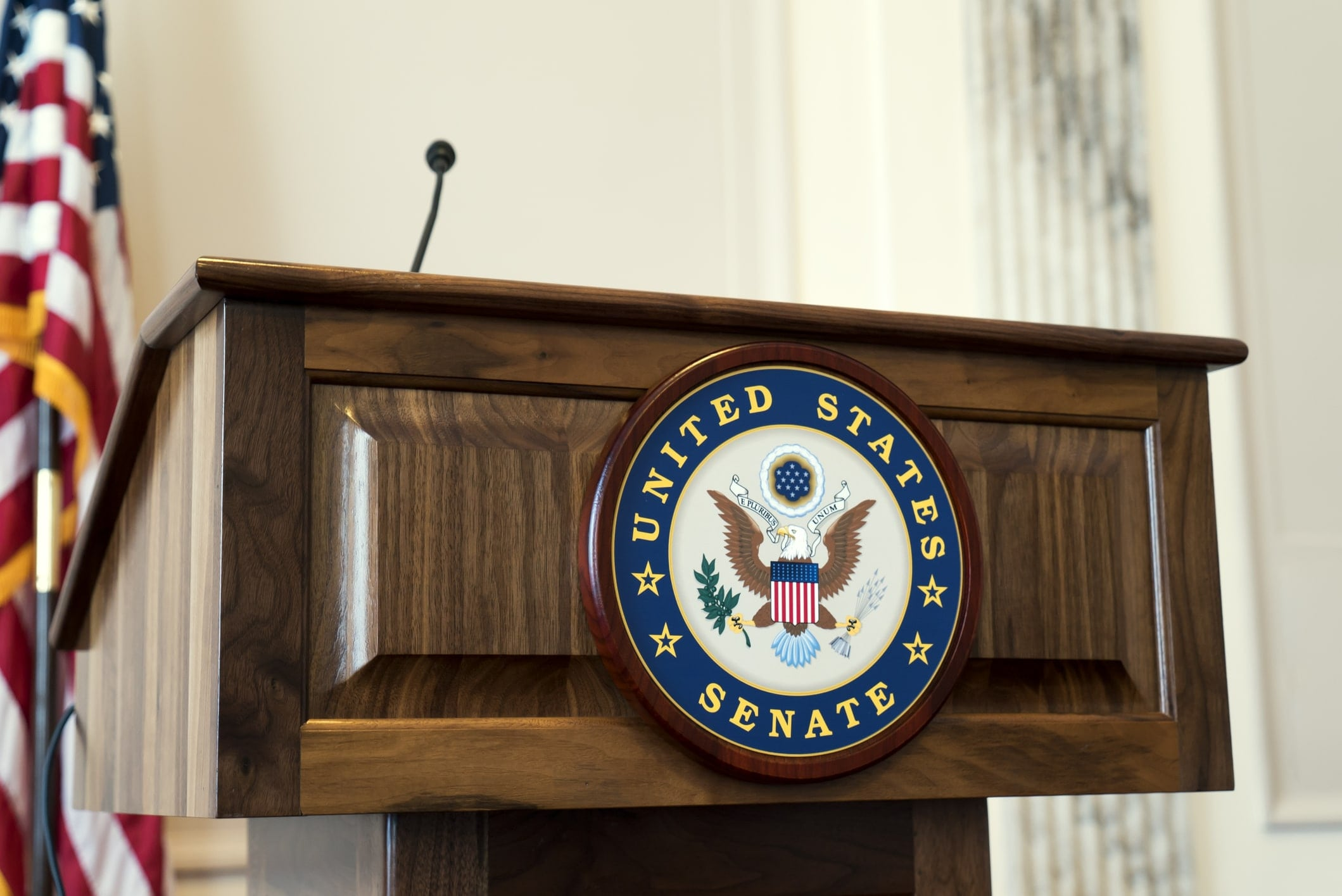

US Senate Passes Stablecoin Bill in Milestone for Crypto Industry

The U.S. Senate on Tuesday approved the GENIUS Act, a bipartisan bill establishing the first federal regulatory framework for stablecoins—cryptocurrency tokens pegged to the U.S. dollar. The bill passed with a vote of 68-30, marking a significant step toward formal oversight of a rapidly growing sector in digital finance.

Stablecoins, which maintain a steady value typically linked 1:1 to the dollar, are widely used by crypto traders for quick transfers between tokens and are increasingly considered for instant payments. If signed into law, the legislation would require stablecoin issuers to back tokens with liquid assets like cash or short-term Treasury bills and publicly disclose reserve compositions monthly.

The crypto industry has advocated for clear regulation, believing it could boost adoption and investor confidence. However, concerns remain among some Democrats and financial watchdogs that the bill could enable big tech firms to issue private stablecoins without sufficient anti-money laundering safeguards or protections against foreign issuers.

The bill now moves to the Republican-controlled House, which must pass its own version before it can be signed by President Donald Trump. Trump’s White House advisers have emphasized a desire to enact stablecoin rules by August.

Critics have also highlighted potential conflicts of interest related to Trump’s own crypto ventures, including a meme coin and a crypto company partly owned by him, though the White House maintains that his assets are held in a trust.

The Conference of State Bank Supervisors has called for amendments to prevent expanding the authority of uninsured banks without state oversight.

Despite these debates, legal experts hail the Senate’s approval as a landmark moment in regulating a fast-evolving financial technology.

U.S. Senate Blocks Stablecoin Bill, Delivering Setback to Crypto Industry

A bill aimed at establishing a U.S. regulatory framework for stablecoins failed to advance in the Senate on Thursday, marking a significant setback for the crypto industry and stalling hopes for near-term federal legislation governing dollar-pegged digital tokens.

Known as the GENIUS Act, the legislation fell short of the 60 votes needed to proceed to a full Senate vote, securing only 49 votes in favor. The failure comes despite months of lobbying by the crypto sector, which poured over $119 million into supporting pro-crypto candidates during last year’s election cycle and framed stablecoin regulation as a bipartisan issue.

Stablecoins — cryptocurrencies designed to maintain a stable 1:1 peg to the U.S. dollar — are widely used in crypto trading and payments, and their mainstream use has grown rapidly. While the industry had hoped the bill would pass this year, Democratic pushback intensified, particularly in light of former President Trump’s growing involvement in crypto ventures.

Two Republican senators — Josh Hawley and Rand Paulvoted against the bill alongside most Democrats, citing unresolved concerns. Senator Mark Warner, a Democrat who had previously backed the bill in committee, explained his opposition during the vote:

The work is not yet complete, and I simply cannot in good conscience ask my colleagues to vote for this legislation when the text isn’t finished.”

A group of Democrats who initially supported the measure accused Republicans of refusing to strengthen the bill’s anti-money laundering safeguards and foreign stablecoin oversight, particularly following news that Trump-affiliated World Liberty Financial would launch a stablecoin to support a $2 billion Abu Dhabi-backed investment in Binance.

Senate Majority Leader John Thune expressed frustration on the floor after the vote, blaming Democrats for halting momentum:

Not every bill that comes to the floor is a final bill… This was a missed opportunity for a bipartisan win.”

With this latest setback, the path forward for stablecoin regulation remains uncertain, and the crypto industry is left grappling with yet another delay in achieving formal legal clarity in the U.S. financial system.