Yazılar

‘God Save the Tsar!’: Putin Celebrates 72nd Birthday Amid Ongoing War in Ukraine

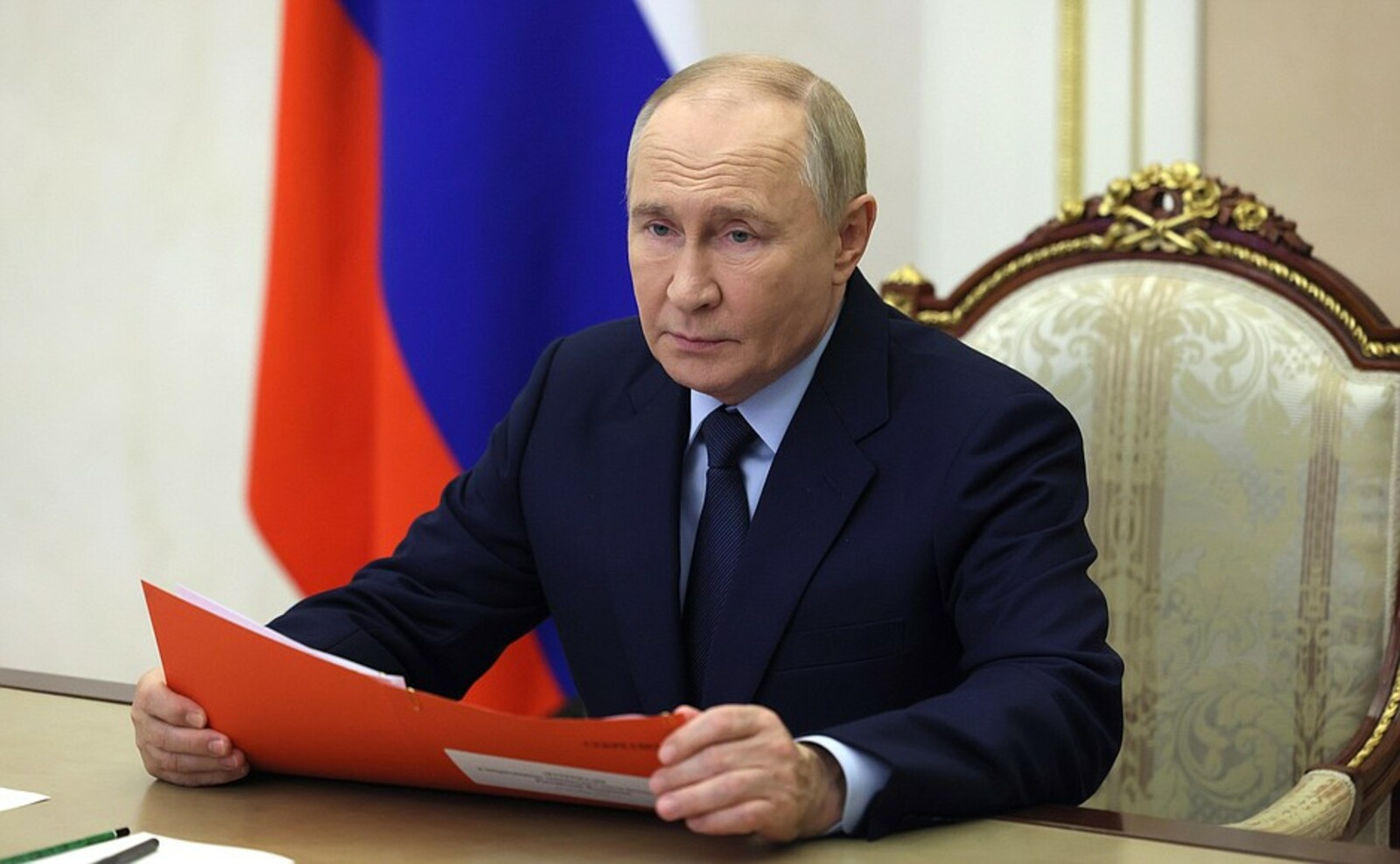
Russian President Vladimir Putin, who has held power for nearly 25 years, celebrated his 72nd birthday on Monday, receiving early birthday wishes that underscore his dominant role in Russian politics. Among the first to offer congratulations was ultra-nationalist ideologue Alexander Dugin, who wished “God save the Tsar!” on his Telegram channel shortly after midnight.

Dugin, a vocal advocate for the creation of a vast new Russian empire encompassing Russian-speaking territories, including Ukraine, aligns with Putin’s vision of Russia’s resurgence on the global stage. His message of imperialistic revival resonates with Putin’s own nationalist rhetoric, especially as Russia’s war against Ukraine rages on.

Putin’s Enduring Grip on Power

Putin’s recent re-election in March with a post-Soviet record landslide victory further solidified his hold on power. If he completes his new six-year term, Putin will surpass the rule of any Russian leader in the past two centuries, extending beyond even the era of the tsars and empresses. His leadership style, shaped by his background as a former KGB agent, has positioned him as an authoritative figure both domestically and internationally.

Putin has justified Russia’s invasion of Ukraine in 2022 as part of a broader historical confrontation with the West. He argues that the West, especially after the Cold War, humiliated Russia by expanding its influence into former Soviet territories, undermining Moscow’s geopolitical power.

Reactions from Allies and Critics

The ultra-nationalist voices in Russia, such as Dugin and Ramzan Kadyrov, the leader of Chechnya and a staunch Putin ally, were quick to celebrate the president’s birthday. Kadyrov, who refers to himself as Putin’s “foot soldier,” highlighted the significance of the day for the nation, underscoring the loyalty of those in Putin’s inner circle.

However, outside of Russia, Putin’s leadership continues to face significant opposition. Ukrainian President Volodymyr Zelensky and Western leaders have condemned Putin’s re-election and his military actions. Zelensky labeled the March election as illegitimate, while Western nations view the war in Ukraine as an imperialist endeavor by Putin, aimed at expanding Russian influence through violent means.

The war has caused immense suffering, with thousands of Ukrainian civilians dead, cities reduced to rubble, and millions of people displaced. Despite this, Putin maintains that Russia’s military efforts are justified, presenting the conflict as a defensive stand against the decline and aggression of the West.

Putin’s Legacy and the Russian Empire

As Putin celebrates his 72nd birthday, his vision for Russia remains intertwined with a centuries-old desire for empire and global dominance. Dugin’s invocation of “God save the Tsar” reflects a growing narrative among Russian nationalists who see Putin as the modern embodiment of Russia’s imperial legacy. This ideology, driven by figures like Dugin, feeds into the war in Ukraine and broader Russian ambitions.

Putin’s ability to hold power for nearly a quarter of a century has made him a towering figure in contemporary Russian history, but his legacy is deeply contested. While celebrated by many within Russia for standing up to Western powers, he is reviled abroad as an autocrat whose policies have resulted in the deaths of thousands and the destruction of Ukraine.

As the conflict in Ukraine grinds on and Putin continues his reign, his birthday serves as a reminder of the deep divisions within and outside Russia over the direction of his leadership and the future of the region.


Putin’s Response to Ukraine Missiles Could Include Nuclear Test, Experts Say

As tensions between Russia and the West escalate over Ukraine, experts warn that Russian President Vladimir Putin may consider a nuclear test to demonstrate his seriousness if Western nations permit Ukraine to use long-range missiles against Russian targets. British Prime Minister Keir Starmer and U.S. President Joe Biden are currently discussing the possibility of supplying Kyiv with U.S. ATACMS and British Storm Shadow missiles, which could change the course of the conflict.

Putin issued a clear warning on Thursday, stating that the West would be directly involved in fighting Russia if such missiles were deployed. While he has promised an “appropriate” response, the specifics remain unclear. Ulrich Kuehn, an arms expert, suggested that Putin might consider testing a nuclear weapon as a dramatic escalation to convey intent and intimidate Western powers. Russia has not conducted a nuclear test since 1990, and a test now could signal a dangerous shift in the conflict’s trajectory.

Other experts, such as Gerhard Mangott from the University of Innsbruck, agree that a nuclear test, though unlikely, remains within the realm of possibility. They also highlight the risks of Russia escalating “hybrid” actions like sabotage in Europe or interference in Western elections. Russia’s UN ambassador, Vassily Nebenzia, warned that if NATO allowed Ukraine to use long-range weapons, it would be considered a direct conflict with a nuclear power.

Former Kremlin adviser Sergei Markov predicted that Moscow could also respond by targeting British military assets or engaging in hybrid warfare, such as striking British drones and warplanes near Russia. The potential for significant escalation, including attacks on Ukrainian infrastructure or further hybrid actions, remains a key concern, as analysts debate where Putin’s red lines truly lie.


The Evolving Role of Defense Stocks in ESG Portfolios Amidst Geopolitical Shifts

The ongoing conflict between Russia and Ukraine has sparked a significant transformation in the way defense stocks are regarded within the realm of environmental, social, and governance (ESG) investing. Traditionally, defense stocks have been excluded from ESG portfolios due to their connection with military activities and warfare, which raised ethical concerns among mission-driven investors. However, in recent months, there has been a growing willingness among ESG fund managers to incorporate defense companies, especially as the geopolitical landscape intensifies and military spending soars.

This shift, though still contentious, represents a profound change in ESG investing dynamics. The CEO of Saab, a Swedish defense and security company, highlighted this evolving trend, noting a remarkable increase in shareholders since the war began. While some institutional investors, such as pension funds, remain hesitant to include defense companies in their portfolios, others are recognizing the importance of national security and the deterrent capabilities provided by such firms. This has led to a reevaluation of whether defense companies, which contribute to societal resilience, should be considered within the scope of ESG.

Saab, which produces advanced military equipment such as missiles and fighter jets, has seen its stock price surge by around 330% since the onset of the war in Ukraine. This performance underscores the growing interest in the defense sector, even among investors traditionally focused on ethical concerns. Yet, skepticism persists, particularly from retail investors and fund managers wary of aligning with companies associated with warfare. For many, the ethical implications of investing in companies that manufacture weapons remain a critical issue.

The debate extends beyond Europe, with ESG investments becoming a politically charged topic in the U.S. In recent years, Republican lawmakers have criticized ESG investing as a form of “woke capitalism,” accusing it of prioritizing social goals over financial returns. On the other hand, Democrats have defended ESG principles, framing them as part of a broader effort to promote responsible business practices. This divide is likely to be further shaped by the outcome of the upcoming U.S. presidential election, which could have significant implications for the future of ESG investing in the defense sector.

Despite the controversies, some industry leaders believe that the role of defense companies in protecting free societies is gaining broader acceptance. Brad Greve, CFO of BAE Systems, remarked that discussions about the positive role of defense firms were almost impossible before the war in Ukraine. The conflict has reshaped public perception, allowing for more open conversations about how defense companies contribute to societal stability and security. BAE Systems, another major defense player, has also seen its stock rise significantly, driven by increased demand for its military products.

As geopolitical tensions remain high and military spending continues to grow, the inclusion of defense stocks in ESG portfolios is likely to be an ongoing topic of debate. Fund managers are divided on whether these companies should be classified as villains or essential components of national security. Ultimately, the future of defense stocks within ESG portfolios will depend on how investors reconcile the need for security with the ethical considerations that have long defined sustainable investing.