Yazılar

Nvidia Faces Antimonopoly Investigation in China, Shares Decline

Nvidia’s shares experienced a decline of about 2.6% on Monday after China’s State Administration for Market Regulation (SAMR) announced an investigation into the company over potential violations of the country’s antimonopoly laws.

The investigation focuses on Nvidia’s 2020 acquisition of Mellanox, an Israeli technology company specializing in network solutions for data centers and servers. The Chinese regulator is examining specific agreements related to this acquisition, according to an official statement.

This development comes amid escalating tensions between the U.S. and China, particularly in the semiconductor industry. The Biden administration recently imposed new restrictions on semiconductor toolmakers, and the investigation could be linked to broader geopolitical factors. The U.S. has already restricted Nvidia and other chipmakers from selling their most advanced AI chips to China, aiming to curb the country’s military advancements.

Nvidia, which has seen its stock rise dramatically in 2024 due to growing demand for AI technologies, responded to the investigation, expressing willingness to cooperate with regulators. In a statement, Nvidia emphasized that its success is due to its products’ merits and customer satisfaction, highlighting that clients have the freedom to choose from various solutions.
 

China’s AI Balancing Act — Advancing Technology While Guarding Political Control

INTRODUCTION

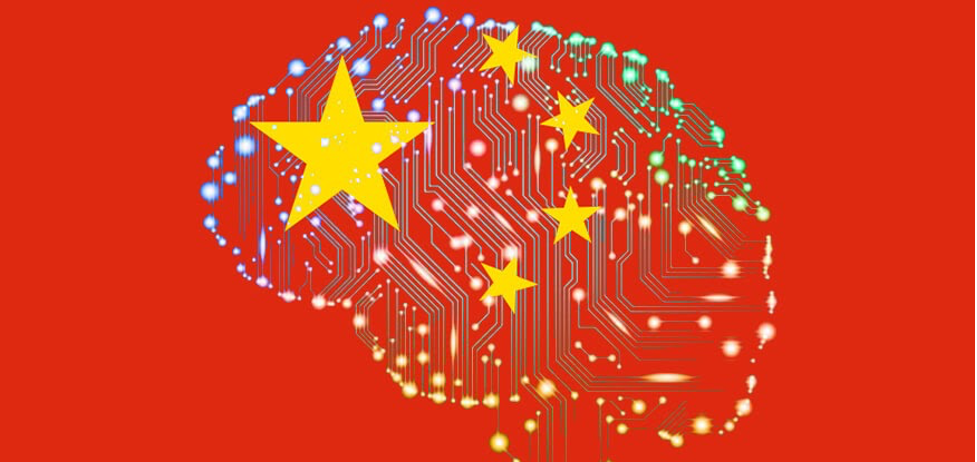
China’s pursuit of artificial general intelligence (AGI) may place it ahead of the U.S. in the global race to develop cutting-edge AI technologies, but such advancements could also pose a threat to the political control of the Communist Party. This delicate balancing act is at the heart of China’s AI strategy, which seeks innovation while ensuring that AI developments do not undermine the party’s power.


KEY POINTS

The Race to AGI: A Geopolitical and Technological Dilemma

  • Max Tegmark’s Perspective:
    Max Tegmark, a prominent AI scientist and president of the Future of Life Institute, describes the competition between the U.S. and China to develop AGI as a “suicide race,” emphasizing the dangers of advancing AI without clear mechanisms to control it. He argues that the rapid pace of AI development could lead to uncontrollable consequences if left unchecked.
  • What is AGI?
    AGI refers to artificial intelligence that exceeds human cognitive abilities. While AI applications like ChatGPT are already popular, AGI would represent the next level — AI that can think and reason at human levels or beyond.
  • Tegmark’s Warning:
    He cautions that the rush to develop AGI may lead to unforeseen risks, as the technology might advance faster than humanity’s ability to regulate it. Tegmark suggests that the geopolitical race to dominate AGI could endanger all nations, with little regard for long-term control mechanisms.

China’s Stance on AGI

  • China’s Reluctance:
    According to Tegmark, China has little incentive to build AGI as it could threaten the Communist Party’s control over the country. In a conversation with Elon Musk, Chinese officials reportedly reacted strongly to the idea that AGI could undermine their political authority, leading China to establish its first AI regulations.
  • Domestic Control:
    Tegmark suggests that even without the U.S. pushing back, China would have reason to limit AGI development. The Chinese government values maintaining control over its technological advancements, including AI.
  • China’s AI Regulations:
    China has already implemented strict regulations on generative AI, with chatbots in the country avoiding topics related to politics and censorship, ensuring that AI aligns with Beijing’s ideological stance.

China’s AI Strategy

  • Balancing Innovation and Control:
    AI is a key strategic priority for China. Major Chinese tech firms, including Alibaba, Huawei, and Tencent, have been investing heavily in AI research and development. However, the government’s strict regulatory approach ensures that the technology does not threaten political stability. This strategy is expected to continue, particularly in the development of AGI.
  • Dual Lens View:
    Experts suggest that China views AI development through two lenses: geopolitical power and domestic economic growth. While aiming to shift the global power balance, China also hopes to leverage AI to enhance government efficiency and boost business applications within the country.

U.S.-China AI Battle

  • Geopolitical Tensions:
    The U.S. and China are locked in a technological battle, with the U.S. attempting to restrict China’s access to critical technologies, particularly semiconductors used in AI training. In response, China is building its own semiconductor industry to lessen dependence on foreign suppliers.
  • The AI Arms Race:
    Despite Tegmark’s warnings about the dangers of an AGI arms race, geopolitics remains at the center of the U.S.-China relationship. The race for AI supremacy is not only about technological innovation but also about securing global influence.

International Cooperation on AI Regulation

  • The Need for Regulation:
    Experts, including Tegmark, advocate for global cooperation to establish safety standards around AI, particularly AGI. Both the U.S. and China face similar risks in developing uncontrollable AI and may need to implement national safety measures to protect against unintended consequences.
  • Potential for International Cooperation:
    There is a growing recognition that AI poses global challenges that cannot be tackled by one country alone. Tegmark envisions a future where nations cooperate to establish global AI regulations, similar to how the International Atomic Energy Agency governs nuclear technology. Some Chinese policymakers are already calling for such a framework.

CONCLUSION

As China pursues cutting-edge AI technologies, including AGI, it faces a delicate balance between fostering innovation and ensuring that AI does not undermine the Communist Party’s authority. The race for AI dominance, particularly between the U.S. and China, carries significant risks, and experts are calling for more international cooperation and regulation to mitigate the dangers of uncontrollable AI. China’s focus on AI is not just about technological advancement; it is also about maintaining its political power while engaging in a global competition for influence.


ASML Maintains Financial Guidance Despite New U.S. Restrictions on China Chip Exports

INTRODUCTION:
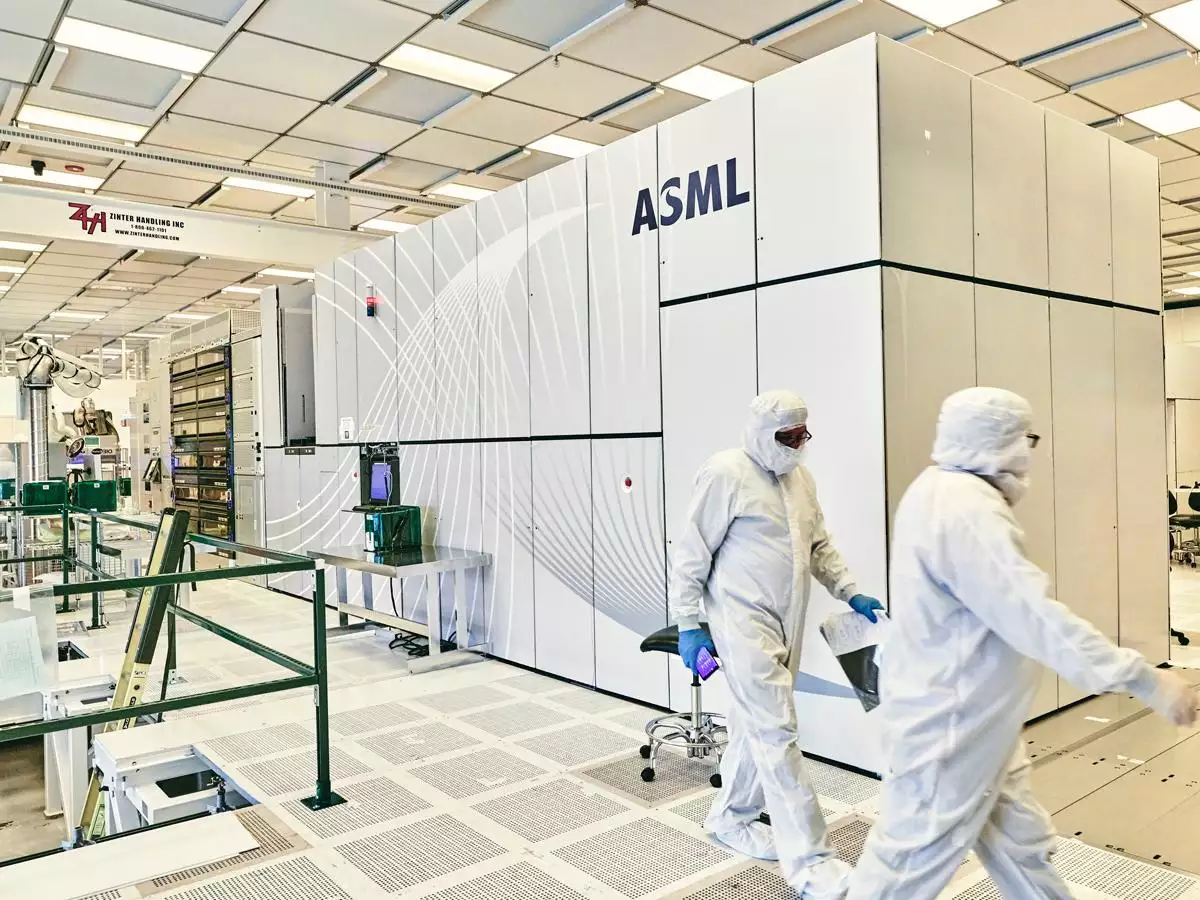
ASML Holding, the leading Dutch semiconductor equipment manufacturer, has reaffirmed its financial projections for 2025 despite the latest U.S. export restrictions targeting China’s chip industry. The company cited minimal long-term impact from the new rules, while the Dutch government expressed alignment with U.S. concerns over advanced semiconductor exports.

KEY DETAILS

  1. ASML’s Financial Guidance:
    • ASML reiterated its November 14 outlook, forecasting group sales between €30-35 billion ($31.5-36.7 billion) in 2025.
    • The company projects China’s contribution to its sales to drop to 20% by 2025, a significant decline from approximately 50% this year.
  2. Impact of U.S. Restrictions:
    • The latest U.S. measures target semiconductor equipment exports to China, including ASML’s deep ultraviolet (DUV) lithography systems, if enforced by Dutch authorities.
    • The new rules also impose stricter controls on computational lithography software and metrology equipment critical to chip production.
  3. Dutch Government’s Position:
    • The Netherlands supports U.S. concerns about uncontrolled semiconductor equipment exports and is evaluating the implications of the updated regulations.
    • Dutch authorities reiterated that export decisions are based on their national security assessments.
  4. ASML’s Long-Term Outlook:
    • ASML stated that the global demand for semiconductors underpins its growth scenarios, minimizing the long-term impact of these regulations.
    • The company’s shares closed 0.9% higher at €664.10 in Amsterdam following the announcement.
  5. Industry-Wide Implications:
    • The restrictions represent the third wave of U.S. efforts in recent years to curtail China’s semiconductor development.
    • Chinese entities, including additional subsidiaries of Semiconductor Manufacturing International Corporation (SMIC), face tightened export curbs.
    • Japanese competitors Nikon and Canon are also affected by restrictions on computational lithography software.

CONTEXT AND ANALYSIS

  • Strategic Implications for ASML:
    ASML’s dominant position in lithography machine manufacturing mitigates immediate risks. However, its reliance on China as a key market presents challenges as geopolitical tensions persist.
  • Dutch Government’s Balancing Act:
    While aligning with U.S. security concerns, the Netherlands must navigate its own economic interests and maintain a competitive edge in the semiconductor sector.
  • Broader Market Impact:
    The global semiconductor supply chain remains under pressure as U.S.-China tech rivalry escalates, with regulatory measures reshaping industry dynamics.

CONCLUSION

ASML’s confidence in its financial resilience reflects the strength of its market leadership and strategic planning. However, the evolving regulatory environment underscores the complexities of balancing business growth with geopolitical realities in the semiconductor industry.