Yazılar

Germany Tightens Migration Controls, Stirring Tensions in Europe

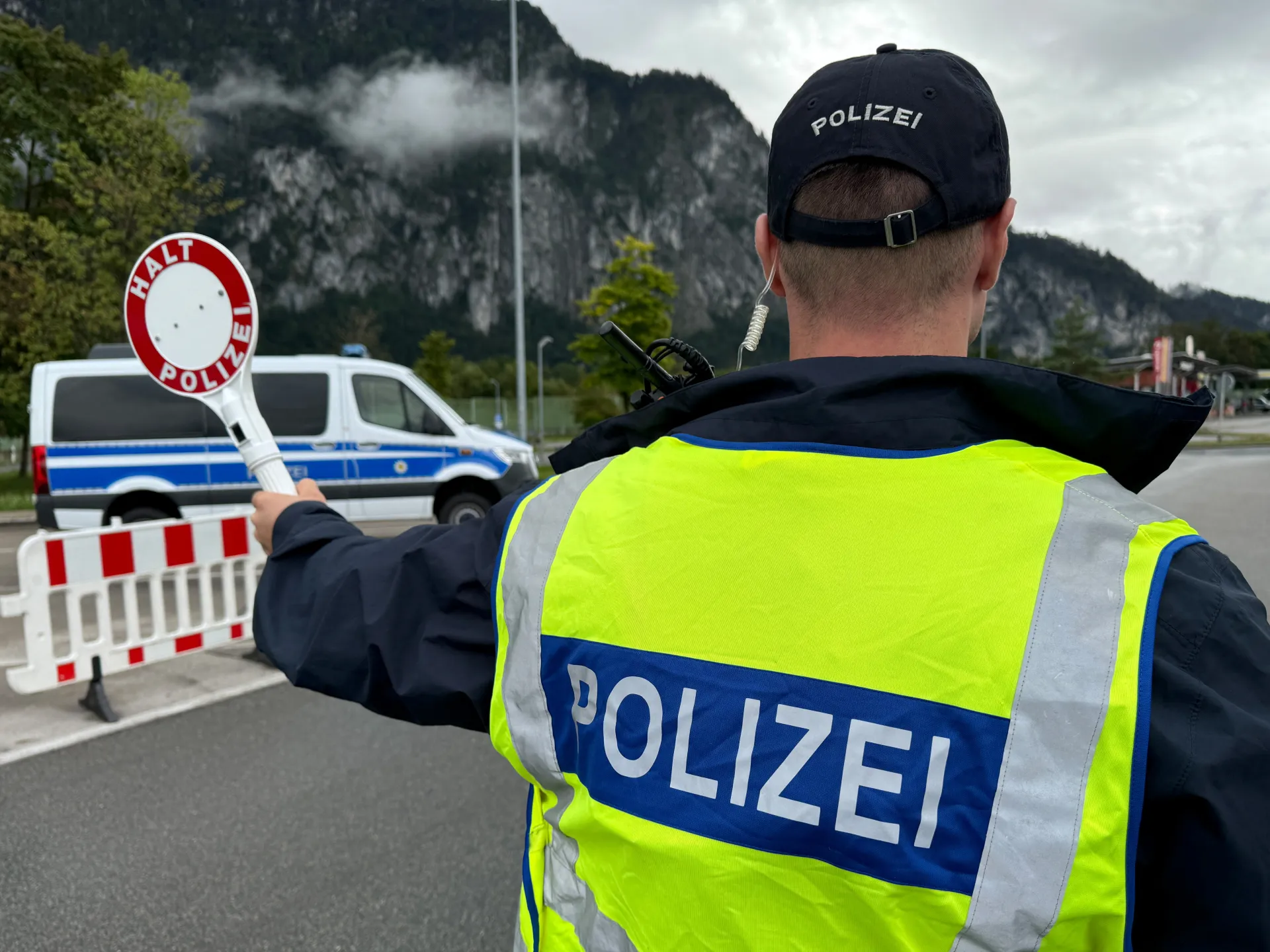
Germany has initiated new controls at all its land borders as part of an intensified crackdown on migration, significantly affecting the Schengen Zone’s free movement. Starting Monday, border controls have been expanded beyond existing checks with Austria, Switzerland, the Czech Republic, and Poland to now include France, Luxembourg, the Netherlands, Belgium, and Denmark. The German Interior Ministry has confirmed that these restrictions, allowing the rejection of individuals at all land borders, will initially last for six months.

The shift underscores Germany’s evolving stance on migration, which has toughened significantly since the country welcomed over one million refugees during the 2015-2016 migrant crisis under former Chancellor Angela Merkel. With a surge in far-right opposition, Germany, like other European nations, is tightening its rules on migration, facing increasing domestic pressure to act.

The move follows Germany’s recent agreement with Kenya, which will allow skilled and semi-skilled Kenyan workers to migrate to Germany. Interior Minister Nancy Faeser emphasized that the new rules are necessary to “strengthen internal security” and combat threats from Islamist terrorism and cross-border crime.

However, this decision has sparked criticism from Germany’s European neighbors and raised concerns over the future of Schengen Zone unity. Poland’s Prime Minister Donald Tusk called the new border controls “unacceptable,” while Austria and Greece have stated that they will not accept migrants rejected by Germany. The German Council for Migration warned that the policy could violate EU law, describing it as “populism” in migration policy.

Chancellor Olaf Scholz’s government faces increasing pressure to address the rise in uncontrolled immigration, especially following a fatal terror attack in Solingen, where a Syrian man with alleged ties to ISIS was involved. The crackdown reflects an effort to counter the growing influence of Germany’s far-right party, Alternative for Germany (AfD), known for its anti-immigrant stance.
 

Ukraine’s Current Military Operations Echo a Pivotal World War II Victory in the Kursk Region

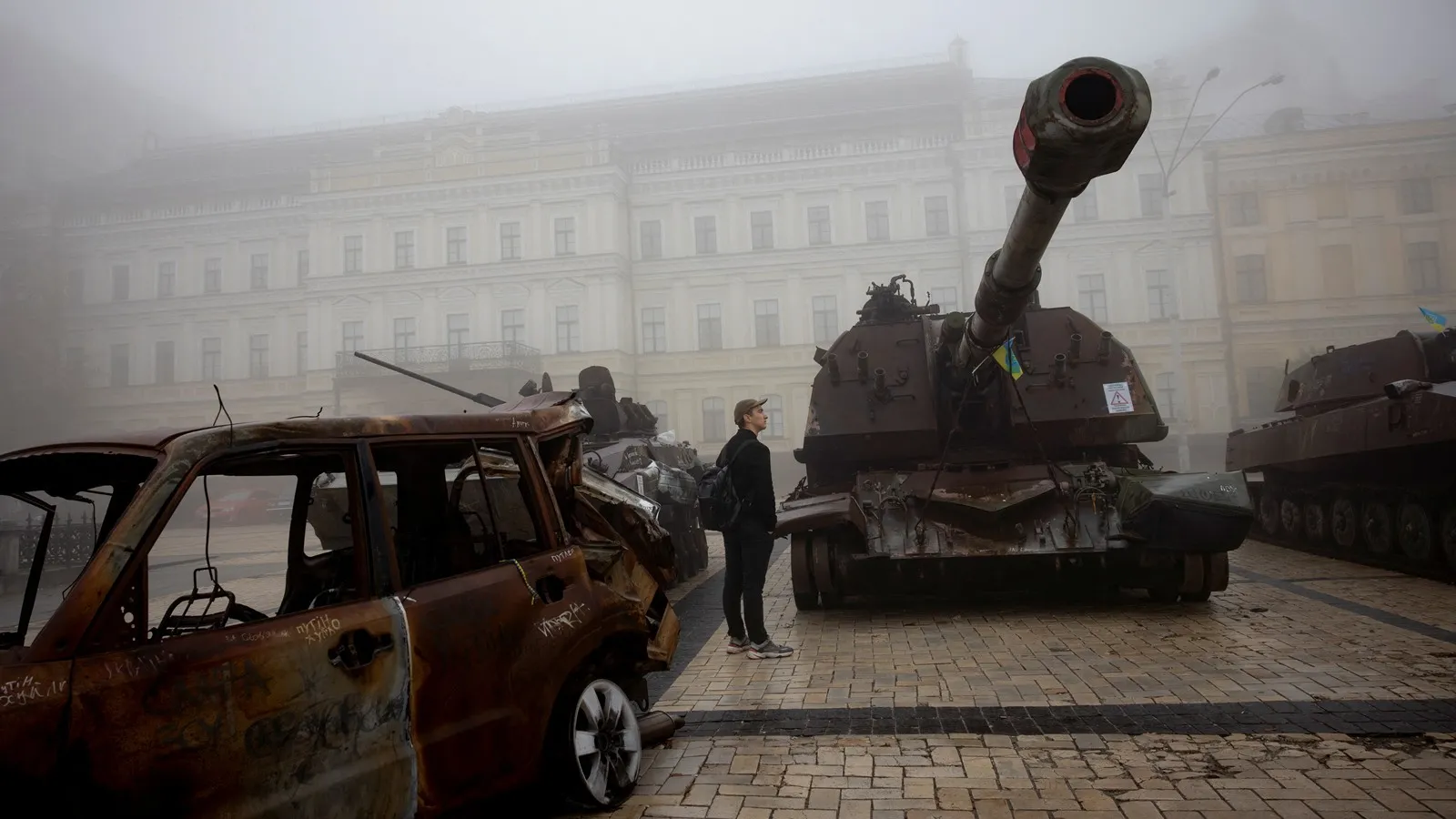
The ongoing military incursion by Ukraine into Russian territory in the Kursk region is occurring on land that witnessed one of the most significant Soviet victories against the German invaders during World War II. Historians argue that this victory, known as the Battle of Kursk, marked a turning point in the war in Europe, nearly a year before the D-Day invasion of Normandy.

While the June 6, 1944, landings in Normandy are often perceived as the decisive moment in the defeat of Nazi Germany, the Battle of Kursk, fought from July 5 to August 23, 1943, played a crucial role in shifting the tide of war. This battle involved millions of troops and thousands of tanks and armored vehicles.

The victory at Kursk allowed the Soviets to seize the initiative in the eastern front and maintain it until the end of the war.

The Battle of Kursk:

In the spring of 1943, Hitler‘s army in the east suffered heavy losses in the Battle of Stalingrad. The Germans lost almost a million men in their attempt to capture the city on the Volga River, defeat the Soviet army, and seize oil fields in the Caucasus.

Following the German retreat from StalingradHitler‘s generals sought to regain the initiative in the east. They targeted a 150-mile bulge in the German lines, defended by over a million Soviet troops, centered on Kursk.

The Germans planned to attack in the spring, but Hitler delayed the operation, known as Operation Citadel, to allow for the deployment of new tanks. This delay gave the Soviets ample time to prepare their defenses.

A Formidable Defense:

The Germans committed around 800,000 troops and 3,000 tanks to the attack. However, they faced a formidable defense. The Soviets had prepared a series of defensive lines, dug over 3,000 miles of trenches, and deployed anti-tank guns and artillery in depth. The Soviets also used their superior air power to disrupt German supply lines and support their ground troops.

The Battle of Kursk was a brutal and bloody affair. Both sides suffered heavy casualties, but the Soviets ultimately prevailed. The German defeat at Kursk marked a turning point in the war on the Eastern Front. It weakened the German army, allowed the Soviets to launch a series of offensives, and ultimately contributed to the eventual defeat of Nazi Germany.