Yazılar

Volkswagen Faces Union Backlash Over Potential German Plant Closures and Mass Layoffs

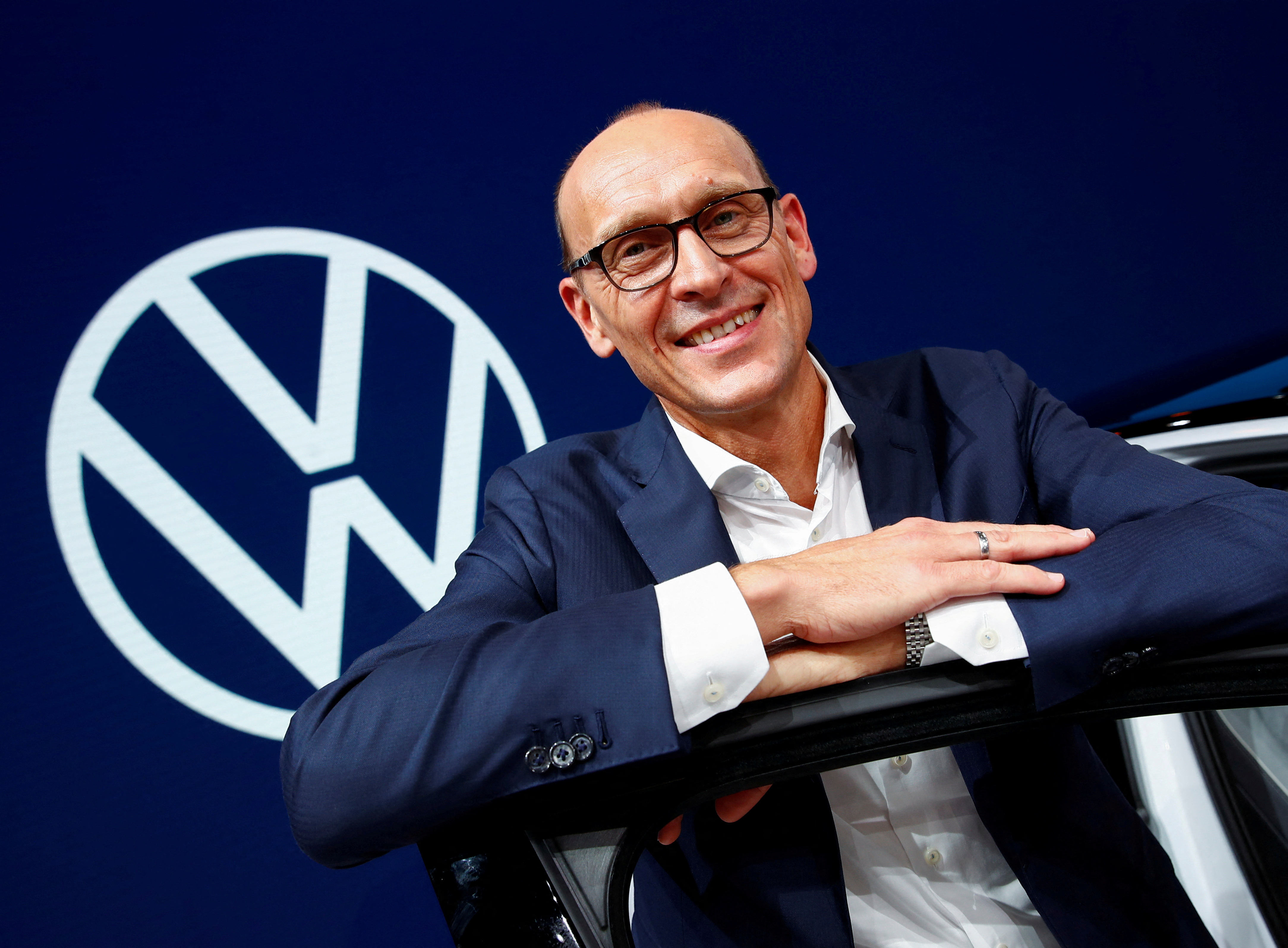
Volkswagen (VW) is considering shutting three German plants and laying off tens of thousands of employees as part of a cost-cutting overhaul. The automaker’s works council head, Daniela Cavallo, has accused VW management of undermining its German workforce, arguing the restructuring is not a tactic in collective bargaining but a definitive plan to reduce the company’s presence in its home country.

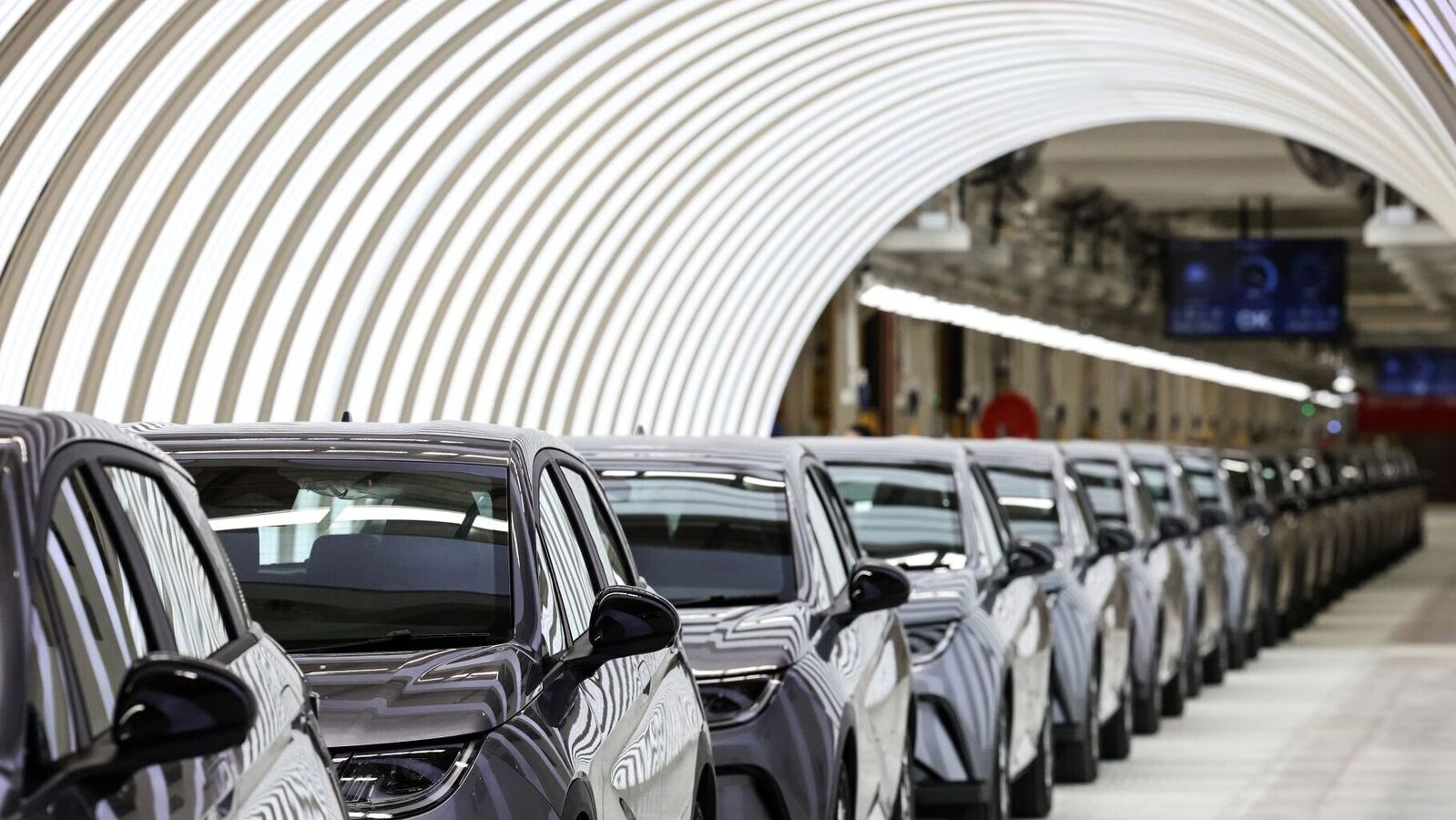
The drastic restructuring aims to address VW’s competitiveness issues, driven by factors like high energy and labor costs, increased competition from Asia, slowing demand in Europe and China, and a lagging transition to electric vehicles (EVs). VW is set to make formal proposals on Wednesday amid growing tensions with labor unions, who are preparing for strikes if plant closures proceed. “If VW confirms its dystopian path on Wednesday, the board must expect the corresponding consequences,” warned IG Metall union negotiator Thorsten Groeger.

Escalating Union-Management Conflict

Cavallo’s statements on Monday have intensified the union-management rift, with VW unions rallying thousands of employees at the Wolfsburg headquarters, blowing horns and holding signs opposing any plant shutdowns. Despite VW’s management emphasizing the need for “comprehensive measures” to regain financial stability, the works council and unions argue that management’s decisions could decimate Germany’s automotive workforce.

VW board member Gunnar Kilian acknowledged the severity of the situation, highlighting that without substantial cost reductions, investments in VW’s future would be at risk. According to Thomas Schaefer, head of VW’s brand division, German plants are operating at 25-50% above competitive costs, even doubling costs in some cases. To address these challenges, VW is also looking at salary reductions and a wage freeze through 2026.

Government and Market Reaction

The potential plant closures have put additional pressure on Germany’s government, which is already grappling with economic contraction and mounting competition from international markets. With federal elections on the horizon, Chancellor Olaf Scholz’s administration is under pressure to support German industry and avert large-scale layoffs. A government spokesperson reiterated Scholz’s support for the workforce, emphasizing that poor management decisions should not result in job losses.

Industry experts indicate that a full market recovery is unlikely anytime soon. Moritz Kronenberger from Union Investment, which holds VW shares, highlighted the urgency of “significant cost-cutting measures” to stave off negative cash flows. Meanwhile, VW shares dipped over 1% after the announcement, extending a 44% decline over the past five years—compared to a 12% loss for Renault and a 22% gain for Stellantis.

Broad Industry Concerns and Potential Union Strikes

VW’s cost-cutting initiatives reflect a wider crisis in Germany’s automotive industry, which has historically been central to the country’s economy. German automakers like Mercedes-Benz and Porsche have similarly announced cost-cutting plans to offset profit declines due to weakening demand in China and escalating production costs. Additionally, impending EU tariffs on Chinese EVs further threaten German automakers’ export potential, fueling fears of a trade conflict with China.

Union representatives are planning further actions to resist any plant closures, with strikes now likely in December. For many, the planned closures threaten not only jobs within VW but also those in the wider ecosystem of suppliers and service providers. As VW management and labor representatives prepare to meet on Wednesday, the outcome will be critical, potentially signaling a shift in Germany’s industrial landscape amid global economic pressures.

EU Governments Set to Vote on Chinese EV Tariffs Amid Concerns Over Retaliation

European Union member states are preparing for a crucial vote on Friday to determine whether to impose tariffs of up to 45% on Chinese-made electric vehicles (EVs). The proposed tariffs follow a year-long anti-subsidy investigation, which concluded that Chinese EVs benefit from unfair government subsidies, distorting competition within the EU market. The vote comes amid concerns of potential retaliation from Beijing, which has already initiated its own probes into European imports.

The European Commission, which manages trade policy for the bloc, has proposed the tariffs for the next five years. However, under EU rules, the decision requires a qualified majority, meaning 15 EU countries representing 65% of the bloc’s population must support or reject the proposal. If the vote is split, the Commission can still move forward with the tariffs but may also opt to amend the proposal to gain broader support.

France, Italy, Greece, and Poland have reportedly voiced their support for the tariffs, ensuring there won’t be a blocking majority against the measures. Meanwhile, Germany, the EU’s largest economy and a major car producer, is expected to vote against the tariffs. German automakers, such as Volkswagen, have expressed strong opposition, citing the significant share of their sales that come from the Chinese market, which accounts for almost a third of their global revenue. Volkswagen has labeled the proposed tariffs as “the wrong approach.”

The stance of Spain has shifted in recent days. Previously in favor of tariffs, Spanish officials have now called for a continuation of negotiations rather than imposing immediate duties. In a letter to European Commission Vice President Valdis Dombrovskis, Spain’s economy minister suggested seeking a deal on prices and relocating battery production to the EU. Spanish Prime Minister Pedro Sanchez had also indicated a desire to reconsider the EU’s position during his visit to China.

While some EU countries remain cautious of China’s reaction, the bloc’s relationship with China has become more complex over the past five years. The EU now views China not only as a partner but also as a competitor and systemic rival. In light of China’s 3 million surplus EV production capacity — double the size of the EU market — Europe has emerged as the most viable market for Chinese exports, especially given the 100% tariffs imposed by the United States and Canada on Chinese EVs.

The Commission remains open to further negotiations with China, considering alternatives to tariffs. A possible solution could involve setting minimum import prices based on various criteria, including EV range, battery performance, and vehicle specifications. The current tariff proposal includes additional duties of 7.8% for Tesla and 35.3% for SAIC and other non-cooperating companies, on top of the EU’s standard 10% import duty for cars.

As the EU prepares for this pivotal vote, the outcome will likely have far-reaching consequences for EU-China trade relations, the European automotive market, and the broader global EV supply chain.


Germany Tightens Migration Controls, Stirring Tensions in Europe

Germany has initiated new controls at all its land borders as part of an intensified crackdown on migration, significantly affecting the Schengen Zone’s free movement. Starting Monday, border controls have been expanded beyond existing checks with Austria, Switzerland, the Czech Republic, and Poland to now include France, Luxembourg, the Netherlands, Belgium, and Denmark. The German Interior Ministry has confirmed that these restrictions, allowing the rejection of individuals at all land borders, will initially last for six months.

The shift underscores Germany’s evolving stance on migration, which has toughened significantly since the country welcomed over one million refugees during the 2015-2016 migrant crisis under former Chancellor Angela Merkel. With a surge in far-right opposition, Germany, like other European nations, is tightening its rules on migration, facing increasing domestic pressure to act.

The move follows Germany’s recent agreement with Kenya, which will allow skilled and semi-skilled Kenyan workers to migrate to Germany. Interior Minister Nancy Faeser emphasized that the new rules are necessary to “strengthen internal security” and combat threats from Islamist terrorism and cross-border crime.

However, this decision has sparked criticism from Germany’s European neighbors and raised concerns over the future of Schengen Zone unity. Poland’s Prime Minister Donald Tusk called the new border controls “unacceptable,” while Austria and Greece have stated that they will not accept migrants rejected by Germany. The German Council for Migration warned that the policy could violate EU law, describing it as “populism” in migration policy.

Chancellor Olaf Scholz’s government faces increasing pressure to address the rise in uncontrolled immigration, especially following a fatal terror attack in Solingen, where a Syrian man with alleged ties to ISIS was involved. The crackdown reflects an effort to counter the growing influence of Germany’s far-right party, Alternative for Germany (AfD), known for its anti-immigrant stance.