Yazılar

Foxconn Says It Can Adapt Production to Trump Tariffs

Foxconn, the world’s largest contract electronics manufacturer and Apple’s primary iPhone maker, announced that it can adjust its production strategy to accommodate potential new U.S. tariffs. This statement was made by Foxconn Chairman Young Liu on Wednesday during a press briefing at the company’s headquarters in New Taipei, Taiwan.

The announcement comes after U.S. President Donald Trump introduced a 25% tariff on all U.S. imports from Mexico and Canada, though the tariff has been paused until March 4. Liu highlighted that Foxconn already operates production facilities in both the United States and Mexico.

“Depending on the tariffs, we will plan different production capacities accordingly,” Liu said. He emphasized that Foxconn is prepared to make necessary adjustments with its U.S.-based partners to meet Trump’s call for more domestic manufacturing.

Liu explained that the company’s flexible global production model minimizes the impact of tariff changes. “For the company, if we don’t manufacture here, we can do it there, so the impact is not too great,” he noted.

However, Liu expressed concern about the broader implications of tariffs, stating that they would not benefit the global economy and could reduce market size.

Four Ways DeepSeek Could Change Everything

The release of DeepSeek’s highly effective and cost-efficient large language model has made waves in the AI industry, promising far-reaching implications for technology, trade, and U.S.-China economic relations. While the immediate market impact may have been brief, the long-term effects could be profound. Here are four predictions on how DeepSeek might shape the future:

  1. Artificial Intelligence Costs Will Continue to Plummet
    Innovations typically aim to achieve more with less, and AI is no different. Before DeepSeek’s release, the costs of leading AI models had already fallen by about 80% annually over the past two years. DeepSeek has accelerated this trend by making AI models 30 times cheaper compared to market leader OpenAI, through algorithmic advancements and aggressive pricing strategies. This deflationary trend is expected to persist as more research and competition in the AI field drive costs lower.

  2. The AI Economic Pie Will Get Bigger and Be Sliced Differently
    As AI becomes more affordable and accessible, demand is expected to grow, following the concept of Jevons paradox, which suggests that more efficient technology leads to greater consumption of resources. As foundational models become commoditized, the focus will shift to applications, pushing more resources toward the deployment of AI in specific tasks, or “inference,” rather than training models. This shift could spark increased demand for custom-designed chips like XPUs, optimized for specific AI applications, as opposed to traditional GPUs. Nvidia has already observed that demand for inference chips is growing faster than for training chips, signaling a broader industry shift.

  3. U.S. Chip Export Controls Will Deserve Careful Reassessment
    DeepSeek’s success came from utilizing less advanced and fewer chips than its U.S. counterparts, illustrating how innovation can thrive even under constraints. Despite ongoing U.S. export controls that may limit DeepSeek and other Chinese companies in the short term, these restrictions are unlikely to halt their progress. The U.S. risks isolating its chip technologies from China’s market, potentially on a permanent basis. Additionally, the export controls may undermine U.S. efforts to address trade imbalances with China, as the country may opt to focus on developing its own capabilities rather than relying on U.S. imports.

  4. U.S. and Chinese Tech Leaders’ Interests May Align
    While initially concerning to U.S. investors, DeepSeek’s breakthrough and its open-source model have been embraced by many major U.S. tech companies. Cloud platforms like Microsoft, AWS, and Hugging Face are already incorporating models based on DeepSeek’s R-1, noting that cheaper large language models should increase demand for their cloud services, boosting their revenue streams. In the long run, businesses across both countries could benefit from the productivity gains and cost savings that AI applications offer. This could foster potential collaboration between U.S. and Chinese tech leaders, despite existing tensions. The evolution of AI presents a tremendous opportunity for both superpowers to collaborate, especially as they pursue artificial general intelligence, though ongoing geopolitical conflicts could limit this cooperation.

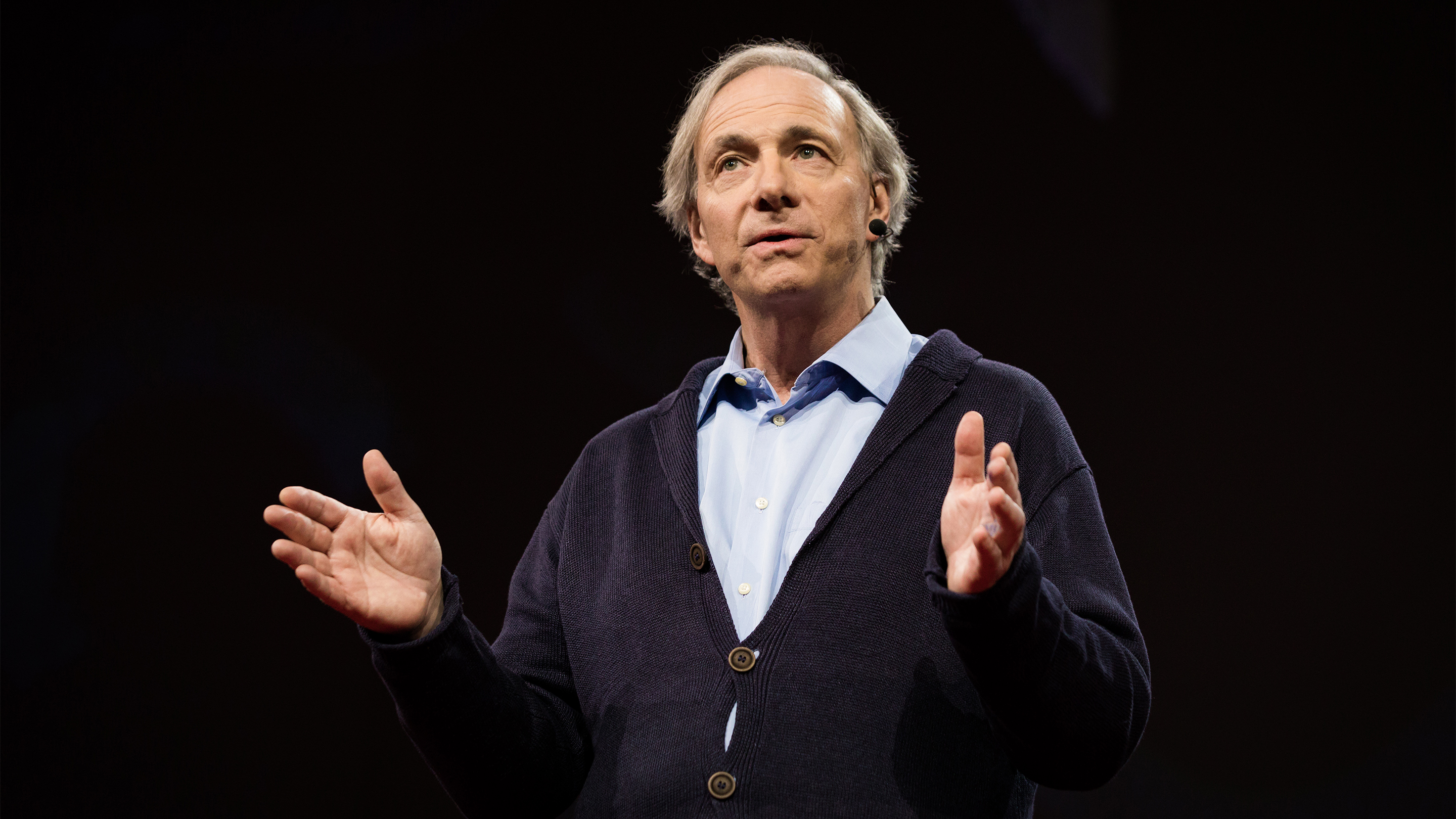
Ray Dalio Names the Top Five Forces Shaping the Global Economy

Billionaire investor and founder of Bridgewater Associates, Ray Dalio, highlighted the five key forces driving the global economy at the Milken Institute’s Asia Summit in Singapore. Dalio explained that these factors are interconnected and often follow cyclical patterns. His remarks came ahead of the U.S. Federal Reserve’s interest rate decision.

  1. Debt, Money, and the Economic Cycle:
    Dalio expressed concerns about how the U.S. will manage its growing debt, particularly in light of rising interest rates. He questioned what the Fed’s upcoming rate changes will mean for the economy and how the nation’s $1.158 trillion in debt payments for the year will be handled. “What happens to all the debt? How will that be dealt with?” he asked.
  2. Internal Order and Disorder:
    Dalio noted the increasing internal political polarization in the U.S., driven by widening wealth and value gaps. These divisions, he said, could lead to disorder, especially as the 2024 elections approach. Dalio remarked that the country’s political landscape could challenge the orderly transition of power.
  3. Great Power Conflicts:
    Geopolitical tensions, especially between the U.S. and China, ranked high on Dalio’s list. He pointed to issues such as territorial disputes and trade tensions as ongoing concerns. However, Dalio emphasized that the threat of mutually assured destruction could prevent a full-scale war, though the disorder remains.
  4. ‘Acts of Nature’:
    Historically, Dalio said, natural disasters such as droughts, floods, and pandemics have had a more significant impact on societies than wars. He pointed out that the climate crisis could increase economic instability, with the World Economic Forum estimating a 12% global GDP loss for every 1°C rise in temperature.
  5. Technology:
    Finally, Dalio emphasized the transformative power of technology, predicting it will be crucial for productivity and global competitiveness. He suggested that whoever wins the technology race will also dominate militarily. However, he noted that technology benefits a small segment of the population, furthering inequality.

Dalio concluded that the global economy faces more downside risks than upside potential due to these factors.